When considering what ingredients should I avoid in pet food, it’s vital to prioritize your pet's health. Many popular pet food brands contain harmful fillers and additives. These ingredients can lead to long-term health issues for our furry friends.
Some common additives are artificial colors and flavors. These can make the food more appealing but offer no nutritional value. Additionally, many pet foods include low-quality meats or meat by-products. These ingredients may not provide the complete nutrition your pet requires.
Understanding pet food labels can be challenging. However, knowing what to avoid can help you make informed choices. Opting for whole, recognizable ingredients is best. Remember, your pet's diet directly impacts its well-being. Be vigilant and critically assess pet food products before making a purchase.
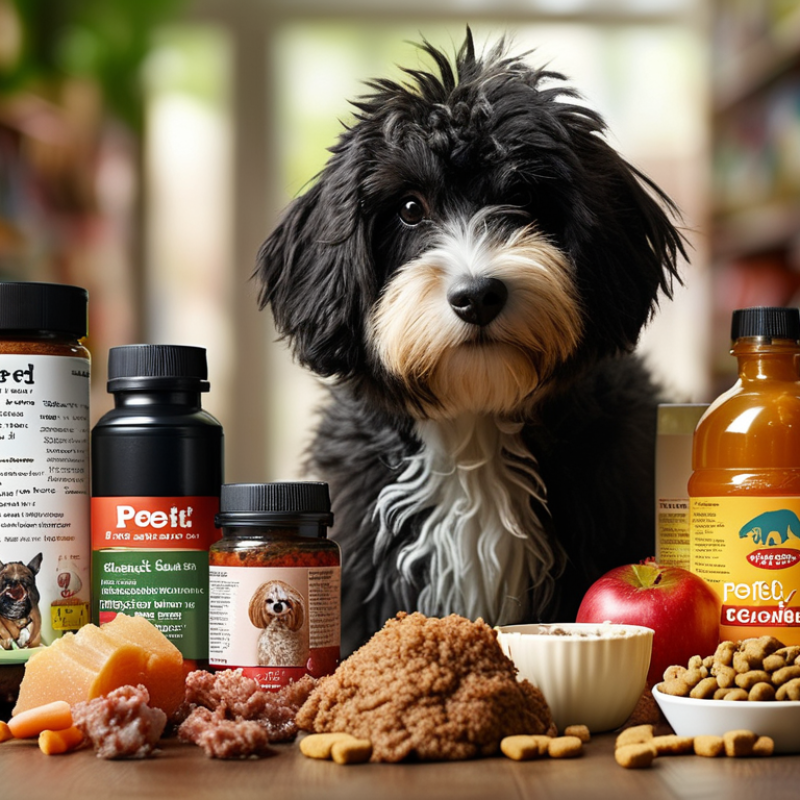
When choosing pet food, it's crucial to be aware of common fillers. Fillers often have little nutritional value and can cause long-term health issues. One study by the Association of American Feed Control Officials revealed that up to 30% of pet food can contain these low-quality fillers. Ingredients like corn gluten meal and soy products serve mainly as cheap sources of protein. While they may fill the bag, they fail to provide the proper nutrition pets need.
Another filler often found in pet food is by-products. Meat by-products can include various parts of the animal that are not suitable for human consumption. According to a report from the Pet Food Institute, many pet owners do not realize that these by-products can lead to allergic reactions in some pets. Additionally, artificial colors and preservatives like BHA and BHT can raise health concerns. They are often included to enhance the visual appeal or shelf life of the food but can be harmful over time.
Choosing pet food requires careful consideration. Many pet owners lean towards cheaper brands, unaware of the implications of fillers. Ensure you read labels carefully. Opting for brands that prioritize high-quality ingredients can improve your pet's health and happiness. Always consult a veterinarian to make informed choices about your pet’s diet.
When selecting pet food, many pet owners overlook harmful additives and preservatives that lurk in formulations. Studies indicate that over 60% of pet foods contain artificial preservatives. These include BHA, BHT, and ethoxyquin, which have raised concerns among veterinarians and pet nutritionists. They can accumulate in your pet's body, potentially leading to serious health issues.
Moreover, food colorings such as Red 40 and Yellow 5 are often used to make pet food look more appealing. These dyes serve no nutritional purpose and may trigger allergic reactions in some pets. The Association of American Feed Control Officials (AAFCO) has noted a rise in sensitivities related to these additives. It’s crucial for pet owners to scrutinize ingredient labels, as many opt for these colorful options without understanding their risks.
Consideration of the source of protein is equally vital. Many pet foods rely on meat by-products, a vague term that can include low-quality ingredients. The World Small Animal Veterinary Association has highlighted that a diet heavy in such ingredients may lack essential nutrients. While some additives can enhance shelf-life, they often do more harm than good. Recognizing the impact of these preservatives is a step toward ensuring a safer, healthier diet for our pets.
When choosing pet food, it's vital to understand the potential dangers of certain grain alternatives. Many brands promote gluten-free options or grain-free formulas, often using substitutes that may not be healthy. A study by the FDA highlighted a concerning link between grain-free diets and canine dilated cardiomyopathy (DCM), a serious heart condition. The most common ingredients in these food alternatives include peas, lentils, and potatoes. While these ingredients can provide protein, they often lack essential amino acids required for a balanced diet.
Another critical issue revolves around the nutritional adequacy of these substitutes. Reports indicate that many grain alternatives do not meet the standards set by AAFCO (Association of American Feed Control Officials). For example, around 45% of pet foods cited for health issues were found to be deficient in crucial nutrients. Many pet owners unknowingly restrict their pets' diets, thinking they are making healthier choices. This miscalculation can lead to severe health problems over time.
Choosing the right food for pets involves understanding these ingredients. Education about what goes into pet food is lacking. Many consumers overlook the importance of reading labels. The trend towards grain alternatives must be approached with caution. A balanced diet, aligned with vet recommendations, is essential. Always consult professionals to ensure that your pet's nutritional needs are fully met.
| Ingredient | Reason to Avoid | Potential Health Risks |
|---|---|---|
| Corn | Common allergen, low nutritional value | Allergies, digestive issues |
| Wheat | Gluten can cause sensitivities | Celiac-like symptoms, skin issues |
| Soy | Common allergen, phytoestrogens | Hormonal imbalances, allergies |
| By-products | Vague sources, low-quality protein | Nutritional deficiencies, toxins |
| Artificial preservatives | Linked to health problems | Cancer risk, hyperactivity |
| Flavors and colors | Unnecessary additives | Allergic reactions, behavioral issues |
| Rendered fat | Source of toxins | Pancreatitis, obesity |
| Sodium | Excess can be harmful | Heart disease, dehydration |
| Sugar | Not necessary for pets | Obesity, diabetes |
| High-fructose corn syrup | Unhealthy sweetener | Weight gain, energy crashes |
When it comes to pet food, potential allergens can pose serious health risks. Ingredients like corn, wheat, and soy are common culprits. Many pets struggle with these grains, leading to skin irritations and digestive issues. Pets with food sensitivities often see marked improvements when these ingredients are removed.
Animal by-products are another concern. They may contain lower quality protein sources, which can lead to allergic reactions. The source of these ingredients is often unclear, raising questions about their safety. In addition, artificial preservatives and flavorings can trigger allergic reactions in sensitive pets. It's essential to read labels carefully to avoid these hidden allergens.
The impact of food allergies can be severe. Pets may show symptoms like itching, vomiting, or lethargy. Owners often overlook these signs, thinking they are normal behaviors. Recognizing and addressing food allergies can improve a pet's quality of life significantly. Keeping a close eye on ingredient lists is crucial for ensuring your pet's health and well-being.
When choosing pet food, many ingredients deserve scrutiny. Artificial flavors and colors are among the top culprits. Pets don’t need these additives. They can mask poor quality ingredients, tricking pet owners into thinking the food is better than it is. These synthetic substances may trigger allergies and digestive issues.
Artificial colors often catch the eye. They make pet food look more appealing. However, pets perceive food through scent and taste, not color. There’s little benefit in appealing to human aesthetics. In fact, some artificial colors are linked to health problems in animals. They might lead to hyperactivity or long-term health risks.
Avoiding these additives isn’t just smart; it’s essential for your pet's well-being. Read labels carefully. Look for natural alternatives that enhance flavor without harmful chemicals. Real meat or wholesome grains should be the stars of the ingredients list. Choosing high-quality food reflects your care for your pet. It's a step toward ensuring a healthier, happier life. As you consider food options, ask yourself: is this the best nourishment for my beloved companion?
: Common fillers include corn gluten meal and soy products. They add little nutritional value.
By-products can consist of parts not suitable for human consumption. They may cause allergic reactions in pets.
Harmful additives include BHA, BHT, and artificial colors like Red 40. These can cause long-term health issues.
Additives can accumulate in pets' bodies, leading to serious health problems. They may also trigger allergies.
These additives make food visually appealing but serve no nutritional purpose. Pets don’t need them.
Read ingredient labels carefully. Look for high-quality ingredients and natural alternatives without harmful chemicals.
Many pet foods contain low-quality fillers and additives that can harm your pet’s health. Being informed is essential.
Yes, some artificial colors have been linked to hyperactivity and long-term risks. Pets perceive food through scent, not color.
Real meat or wholesome grains should be the main ingredients. This reflects a commitment to your pet's health.
Ask yourself if the food provides the best nourishment for your beloved companion. Your choice matters.
When considering what ingredients should I avoid in pet food, it's crucial to be aware of various harmful components. Common fillers such as corn, wheat, and soy often provide little nutritional value and can lead to weight gain. Additionally, certain additives and preservatives, including BHA, BHT, and ethoxyquin, are potentially harmful and should be excluded from a pet's diet.
Moreover, dangerous grain alternatives like pea protein and potato can cause digestive issues in some pets. Potential allergens, such as artificial flavors and colors, may also trigger sensitivities. By carefully scrutinizing the ingredient list and steering clear of these harmful substances, pet owners can ensure a healthier diet for their furry companions.

Petra Pet