In recent years, grain-free pet food has gained popularity among pet owners. This trend has led many to wonder, "what is grain free pet food and is it good?" According to a report by the Pet Food Institute, the grain-free segment has seen a growth rate of over 30% since 2016. This statistic highlights a significant shift in consumer preferences.
Veterinarians and nutritionists often debate the benefits of grain-free diets. Some argue that certain grains can lead to food sensitivities. Others caution against overly eliminating essential nutrients found in grains. The FDA has also issued warnings regarding potential risks associated with some grain-free options, particularly concerning heart health in dogs. These insights prompt reflection on the complexities of pet nutrition.
While many pet owners are drawn to grain-free products, it is essential to consider individual pet needs. Each animal’s dietary requirements may vary greatly. Thus, consulting a veterinarian before making abrupt dietary changes is crucial. Balancing pet health with dietary preferences can be challenging but necessary for overall well-being.
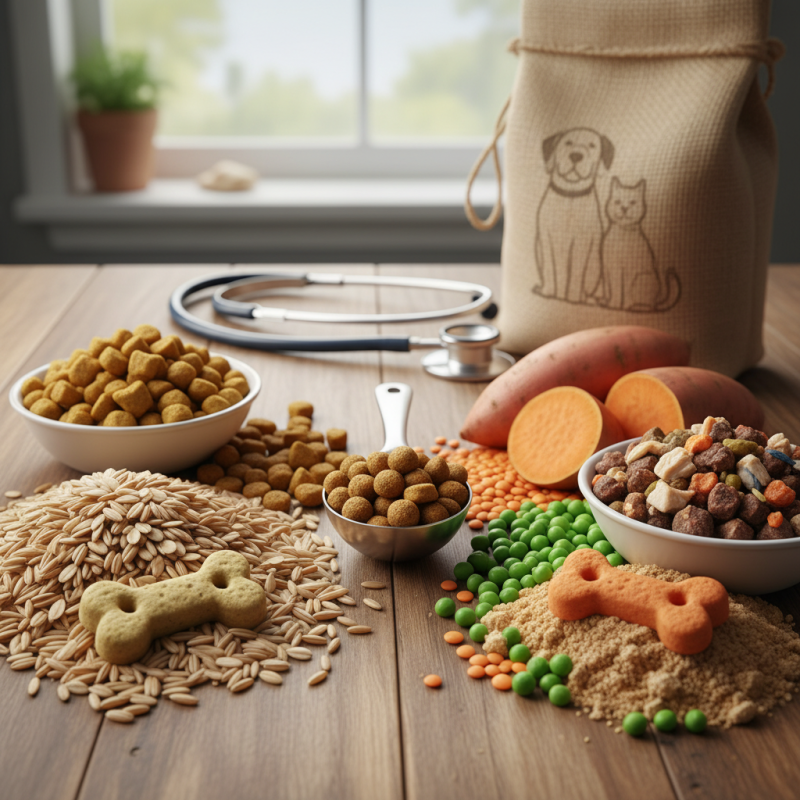
Grain-free pet food has gained popularity among pet owners recently. One of the significant benefits of grain-free diets is their potential for better digestive health. Many pets struggle with grain digestibility. Symptoms can include bloating, gas, and even diarrhea. Switching to grain-free formulations may mitigate these issues.
These diets often use alternative carbohydrate sources like peas, sweet potatoes, or lentils. These ingredients can be easier on a pet's stomach. They also provide essential nutrients that support overall health. The absence of grains may help reduce allergens in sensitive pets. However, not all pets will thrive on grain-free options. Each pet has unique needs, and what works for one may not work for another.
When considering a grain-free diet, it’s crucial to observe your pet’s response. Monitoring their digestion and energy levels can provide insight into dietary changes. Consulting with a veterinarian before making changes is also advisable. While grain-free food can be beneficial, it’s not a one-size-fits-all solution. Balancing nutrition is key to fostering a healthy digestive system.
Understanding the nutritional needs of pets without grains is essential for pet owners. Grain-free pet food can provide unique benefits. Many pets are sensitive to grains, leading to skin allergies or digestive issues. A grain-free diet often focuses on high-quality proteins and healthy fats. This can enhance your pet's energy levels and overall health.
Proteins sourced from meat or fish can be more digestible for some animals. Dogs and cats thrive on diets rich in animal proteins. It mimics their ancestral diets. However, not all pets need a grain-free option. Some may do well with grains. Consulting with a veterinarian is key for personalized dietary advice.
A shift to grain-free food may not suit every animal’s digestive system. Observation is crucial. Look for changes in digestion or energy levels after making the switch. Each pet is unique. Continuous evaluation of their health and diet helps ensure they get optimal nutrition. Feeding your pet a balanced diet requires effort and understanding.
Grain-free pet diets are often surrounded by various myths. One common misconception is that grains are inherently bad for pets. Many pet owners believe that grain-free diets are healthier. However, reputable studies show that grains can provide essential nutrients and fiber. The Association of American Feed Control Officials (AAFCO) highlights that grains like rice and oats support a balanced diet for dogs and cats.
Another myth suggests that grain-free diets prevent food allergies. In fact, only about 10% of dogs have food allergies related to grains. A significant portion of allergies comes from proteins, such as beef or chicken. A report by the Veterinary Medical Database indicates that misconceptions about grains can lead to unnecessary dietary restrictions. This can affect long-term health, highlighting the need for a balanced approach.
Pet owners should also consider that grain-free diets are not a one-size-fits-all solution. While some pets may benefit from such diets due to specific health conditions, many others thrive on traditional food. Pets' nutritional needs vary widely. Consultation with a veterinarian is essential to create the most suitable diet plan tailored to each pet’s individual health requirements.
This chart illustrates common reasons pet owners choose grain-free diets for their pets and the perceived benefits. Each reason is represented as a percentage of survey respondents who believe it to be a key advantage.
The grain-free pet food market has seen significant growth in recent years. According to a report from Grand View Research, the grain-free pet food segment is projected to reach USD 10.43 billion by 2027. This trend reflects a shift in consumer preferences toward diets that resemble ancestral feeding practices.
Pet owners are increasingly concerned about their pets' health. Many believe grain-free diets improve digestion and skin health. A survey conducted by the American Pet Products Association found that 33% of pet owners consider dietary needs a priority. As a result, brands are reformulating their products, often with quality protein sources and fresh vegetables. However, this shift raises questions about nutritional balance.
Despite the benefits, not all pets thrive on grain-free diets. Some pets may experience digestive issues if they do not receive adequate fiber. Additionally, the lack of grains can lead to unrecognized nutritional deficiencies. Pet owners should consult veterinarians for tailored dietary advice. Understanding these complexities can help make informed choices amidst the booming grain-free trend.
Veterinary professionals have varying opinions on the benefits of grain-free diets for pets. A study from the Veterinary Journal indicates that about 25% of pet owners consider grain-free formulas healthier. Many believe that these diets reduce allergy risks and promote better digestion. However, some veterinarians express caution. They point out potential nutritional imbalances when grains are excluded. Pets need a balanced diet, and grains often provide essential nutrients.
Research shows a link between grain-free diets and dilated cardiomyopathy (DCM) in dogs. A 2018 study by the FDA analyzed 515 cases of DCM, with a significant number of affected dogs eating grain-free pet foods. While some owners report positive changes in their pets, the long-term effects remain uncertain. Lack of grains does not automatically mean enhanced health. Veterinary experts emphasize that each pet’s dietary needs vary.
Pet food choices should always be guided by veterinary advice. Owners are encouraged to consult their vets for personalized recommendations. A balanced diet is vital for pet health. Ultimately, a one-size-fits-all approach may not work for every animal. The potential risks of grain-free diets warrant careful consideration and ongoing research.
: A grain-free diet can enhance energy levels and support overall health. It focuses on high-quality proteins and healthy fats.
No, not all pets require a grain-free option. Some may thrive on grains, so consulting a veterinarian is essential.
Grains are not inherently bad. They provide essential nutrients and fiber, which can benefit many pets.
Many believe grain-free diets prevent food allergies. In reality, only a small percentage of pets have grain-related allergies.
Observe your pet's digestion and energy levels after switching diets. Continuous evaluation is necessary to ensure optimal nutrition.
No, grain-free diets are not one-size-fits-all. Many pets do well on traditional diets depending on their individual health needs.
Grain-free pet food has gained popularity among pet owners, prompting questions about its benefits. This type of food is designed to meet the nutritional needs of pets by excluding grains, which can support better digestive health. Many believe that grain-free diets can help alleviate digestive issues, but it's essential to understand that not all pets may require such diets. Common myths surrounding grain-free formulas often stem from misconceptions about grains and their roles in pet nutrition.
As the market for grain-free pet food continues to grow, veterinarians offer mixed perspectives on its benefits, emphasizing that the individual needs of pets must be considered. Ultimately, when asking "what is grain free pet food and is it good," the answer depends on the specific health requirements of each pet, and consulting a veterinarian can help guide owners toward the best dietary choices for their furry companions.

Petra Pet