Food allergies in pets are a growing concern for many pet owners. Understanding what causes food allergies in pets is essential for their well-being. Dr. Lisa Freeman, a leading veterinary nutritionist, emphasizes, "The ingredients in pet food can trigger allergic reactions." This highlights the need for awareness about potential allergens.
Common sources of food allergies include proteins such as beef, chicken, and fish. Grains and dairy also play a role in triggering reactions. Each pet is unique, and identifying the exact allergen may require careful monitoring. Many pet owners are unaware of the signs, which can range from skin irritations to gastrointestinal issues.
Veterinarians stress the importance of consulting a professional for proper diagnosis. Withholding certain foods and introducing new diets gradually is often recommended. Yet, the process can be challenging. As we learn more about what causes food allergies in pets, ongoing research is vital. This can help improve our understanding and treatment options. Recognizing the signs and triggers in pets can ultimately lead to a healthier, happier life for them.
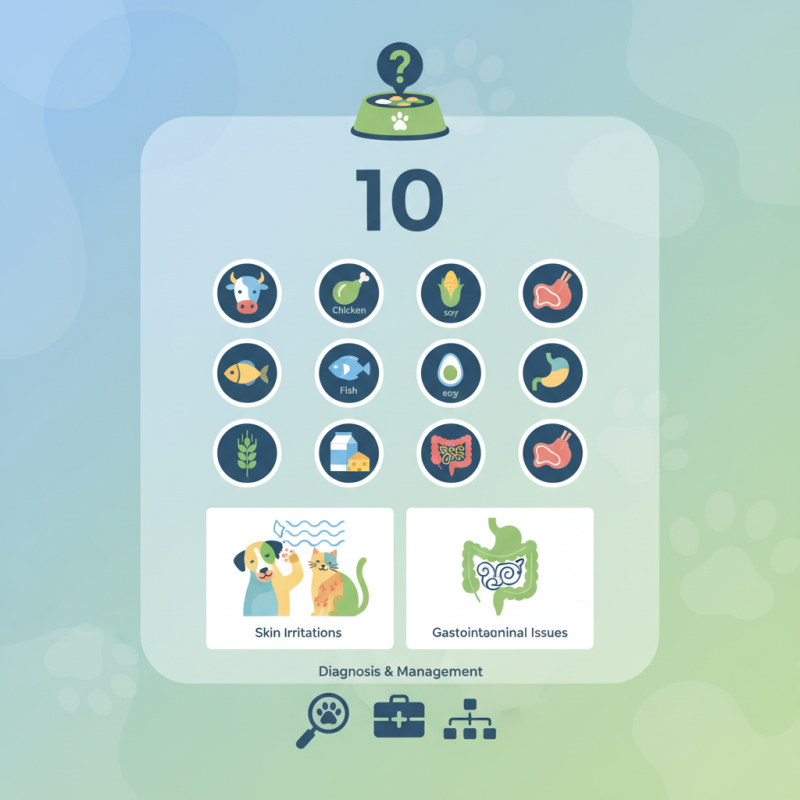
Understanding Food Allergies in Pets: An Overview
Food allergies in pets can lead to a range of discomforting symptoms. Understanding the basics of these reactions is crucial for pet owners. Allergies often manifest as skin irritations, digestive upset, or respiratory issues. These symptoms can vary by pet, making identification challenging. Symptoms may include itching, swelling, or gastrointestinal distress.
Common allergens include proteins, grains, and certain additives. Pets may develop sensitivities over time. A sudden change in diet might trigger these reactions, even if a new food seems healthy. Observing your pet's behavior is vital. If you notice persistent scratching or gastrointestinal issues, it’s time to consult a vet. They can help diagnose the allergy through testing.
Managing food allergies involves careful diet planning. Owners often need to identify and eliminate specific ingredients. A limited ingredient diet can be beneficial. It reduces exposure to potential allergens. However, finding the right diet can be trial and error. This process requires patience and careful observation of your pet’s response to new foods.
Common Symptoms of Food Allergies in Pets
Food allergies in pets can cause various uncomfortable symptoms. Pet owners often miss the signs, thinking they are minor issues. Common symptoms include itching, skin rashes, and digestive problems. You may notice persistent scratching or biting at their skin. This irritation often leads to redness and hair loss in affected areas.
Gastrointestinal problems are also frequent in allergic pets. You might see vomiting or diarrhea after meals. Sometimes, pets will show signs of discomfort, like bloating or excessive gas. Interestingly, some pets may develop ear infections due to allergies. This situation can be frustrating as the infections keep recurring despite treatment.
Behavior changes can accompany these physical symptoms. You may find your pet is more restless or less playful. They could also lose interest in food or show signs of anxiety. Observing your pet closely is essential. Keeping a record of symptoms can guide your vet in understanding the allergies better. Noticing these signs can lead to a faster diagnosis and a more effective treatment plan.
Identifying Potential Allergen Ingredients in Pet Foods
Pet food allergies are a growing concern among pet owners. Recognizing potential allergens in pet foods is crucial for ensuring the health of our furry friends. According to a survey by the American Veterinary Medical Association, allergies affect about 10% of pets. This statistic highlights the importance of identifying ingredients that may trigger adverse reactions.
Common allergens include beef, dairy, wheat, and chicken. These ingredients often appear in many pet food formulas. Pet owners should carefully read labels to understand what is in the food. Moreover, studies indicate that many pets develop sensitivity over time, even to ingredients they previously tolerated. An elimination diet, where potential allergens are removed for several weeks, can help pinpoint specific triggers.
It is essential to consult with a veterinarian when suspecting an allergy. Pets may exhibit symptoms like itching, gastrointestinal disturbances, or ear infections. A professional can help navigate the complex world of pet nutrition and allergies. Reliable resources, including academic research, underline the need for diligence in monitoring dietary changes. Adopting a proactive approach can lead to healthier, happier pets.
10 Best Causes of Food Allergies in Pets Revealed
| Allergen |
Common Symptoms |
Affected Pets |
Typical Sources |
| Beef |
Itching, Skin Rash, Digestive Issues |
Dogs, Cats |
Meat products, Dog food |
| Chicken |
Vomiting, Diarrhea, Inflammation |
Dogs, Cats |
Poultry products, Dog food |
| Wheat |
Skin Problems, Gastrointestinal Upset |
Dogs, Cats |
Grain-based pet foods, Treats |
| Soy |
Itching, Ear Infections |
Dogs |
Pet foods, Protein supplements |
| Dairy |
Diarrhea, Vomiting, Gas |
Dogs, Cats |
Cheese, Milk, Treats |
| Eggs |
Skin Rash, Vomiting |
Dogs, Cats |
Dog food, Treats |
| Fish |
Skin Inflammation, Itchy Skin |
Dogs, Cats |
Fish-based diets, Treats |
| Corn |
Itching, Digestive Problems |
Dogs, Cats |
Grain-based pet foods |
| Pork |
Irritation, Skin Issues |
Dogs |
Meat products |
| Potatoes |
Gastrointestinal Upset, Skin Issues |
Dogs, Cats |
Pet foods, Treats |
Top 10 Causes of Food Allergies in Pets
Food allergies in pets can significantly impact their health and wellbeing. According to a study published in the Journal of Veterinary Internal Medicine, around 10% of dogs and 15% of cats suffer from food allergies. These allergies can result in itching, gastrointestinal disturbances, and more serious reactions. Understanding the common causes is essential for pet owners.
One prevalent allergen is proteins found in meat sources like beef or chicken. Grains, such as wheat and soy, also trigger reactions in some pets. Dairy products can be problematic too, particularly for lactose-intolerant animals. Additionally, certain additives and preservatives in pet foods contribute to allergic responses. It is crucial for pet owners to observe their pets for any signs of discomfort after feeding.
Tips: Always introduce new foods gradually to monitor reactions. Keeping a food diary can help track any patterns or allergies. Consulting a veterinarian for allergy testing is a proactive step toward managing your pet's diet effectively.
Top 10 Causes of Food Allergies in Pets
Practical Steps for Managing and Preventing Food Allergies in Pets
Food allergies in pets can lead to serious health issues, making prevention and management crucial. Research indicates that around 10% of dogs and 5% of cats suffer from food allergies. Common irritants include proteins from beef, dairy, chicken, and fish. Identifying the root cause of allergies typically requires veterinarian involvement, often through elimination diets. These diets must be strict, sometimes lasting up to 12 weeks, to effectively spy the triggers.
To manage food allergies, pet owners should keep a detailed food journal. Noting any changes in diet and symptoms helps to identify patterns. Regular consultations with a veterinarian are essential. They can provide expert guidance on hypoallergenic options. Additionally, understanding the role of a balanced diet is vital; adequate nutrition supports overall health and may mitigate skin and digestive issues associated with allergies.
Prevention is just as important as management. Always introduce new foods gradually and observe your pet for adverse reactions. Opt for limited-ingredient diets to reduce exposure to potential allergens. It’s also worth discussing with professionals about the use of specialized diets tailored for your pet’s specific needs. Education about pet food ingredients empowers owners to make informed decisions. A proactive approach can lead to a healthier, happier life for your furry companions.
FAQS
: Symptoms include itching, skin rashes, and digestive issues like vomiting or diarrhea.
Watch for persistent scratching, hair loss, or gastrointestinal discomfort after meals.
Common allergens include proteins from meats, grains, dairy, and certain food additives.
Keep a detailed food journal to note any diet changes and symptoms for better tracking.
It’s a strict diet lasting up to 12 weeks, used to identify food allergies under vet guidance.
Introduce new foods gradually and use limited-ingredient diets to lower allergen exposure.
A vet can provide allergy testing and recommend hypoallergenic food options for your pet.
Look for restlessness, decreased playfulness, or lack of interest in food as possible signs.
Regularly observe your pet, especially after introducing new foods, to catch any reactions early.
Yes, allergies can result in recurring ear infections and may affect overall health if unmanaged.
Conclusion
Food allergies in pets are becoming increasingly recognized, leading to a greater need for understanding what causes food allergies in pets. This article delves into the various aspects of pet food allergies, beginning with an overview and common symptoms such as itching, gastrointestinal upset, and skin irritations. Identifying potential allergenic ingredients is crucial for pet owners, and the article outlines the top ten causes of food allergies, including proteins, grains, and artificial additives.
To effectively manage and prevent food allergies in pets, practical steps are recommended, such as conducting elimination diets and consulting with veterinarians to ensure a tailored approach. By acknowledging the causes and symptoms of food allergies, pet owners can significantly improve their pets' quality of life and well-being.

 Petra Pet