10 Best Natural Ways to Improve Your Pet's Appetite?

Time:2026-06-25 Author:Henry
0%

Pet owners often face challenges when it comes to maintaining their pets' appetite. According to the American Veterinary Medical Association, over 30% of pet owners report changes in their pets’ eating habits. This issue can stem from stress, illness, or simply boredom with their current diet. Understanding how to improve pet appetite naturally is crucial for pet health.

Engaging your pet with various natural methods can help stimulate their appetite. For example, incorporating wet food or adding warm broth to dry kibble may enhance flavor. Additionally, providing a stable and calm environment can also encourage your pet to eat. Studies emphasize the importance of a balanced diet, but the pet food market can be overwhelming. Pet owners must remain vigilant about the ingredients in their pets’ meals.

A report by the Association for Pet Obesity Prevention shows that over 54% of pets are overweight. Poor diet choices contribute to this problem. Owners seeking to improve their pets’ appetite need practical strategies. However, natural approaches require patience, and reflecting on your pet’s preferences is key. Experimenting can lead to discovery, but it’s important to remember that not all pets respond the same way.
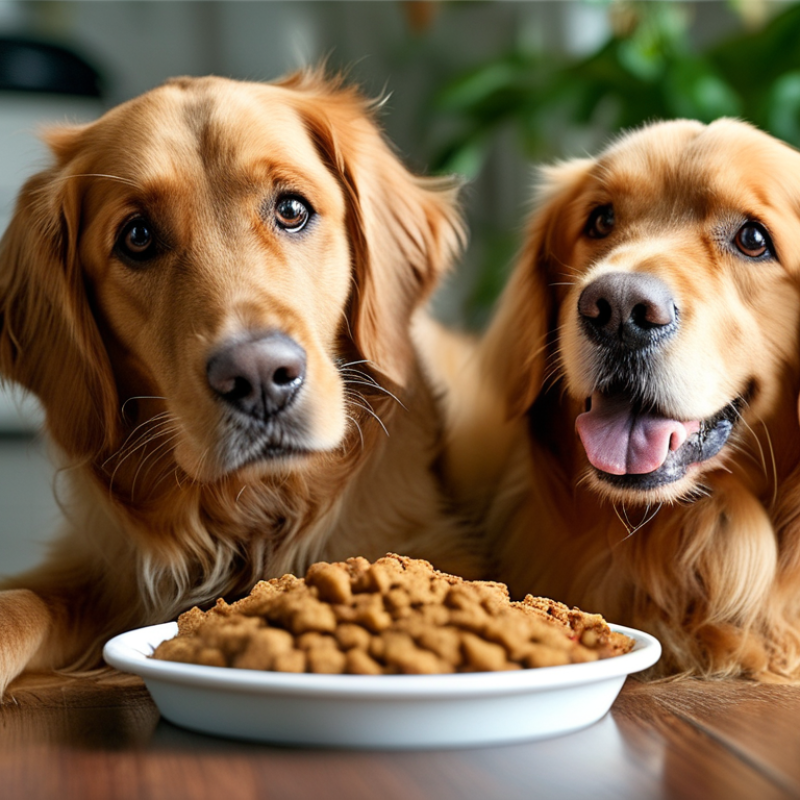
10 Best Natural Ways to Improve Your Pet's Appetite?

Identifying Factors that Affect Your Pet's Appetite

Many factors can affect a pet's appetite. Stress and anxiety are common issues. A study published in the Journal of Veterinary Behavior finds that 70% of pets experience stress from changes in their environment. This stress can lead to decreased interest in food.

Physical health also plays a significant role. A report from the American Veterinary Medical Association highlights that dental problems affect about 80% of dogs and 70% of cats over the age of three. Pain or discomfort from such conditions can cause pets to refuse food. Additionally, the quality of the food itself is crucial. Pet owners often overlook that pets can be picky eaters. Freshness and palatability matter a lot. Some pets might find the same food boring after a while.

Environmental factors cannot be ignored. A noisy or chaotic home can deter pets from eating. In contrast, a calm setting encourages healthy eating habits. Observing how your pet reacts to different situations can provide insights into their appetite. Identifying and addressing these underlying factors is essential for fostering a healthy appetite in pets.

Natural Food Enhancements to Stimulate Your Pet's Hunger

Enhancing your pet's appetite can be vital for their overall health. Natural food enhancements can play a significant role in stimulating hunger. A survey conducted by the American Veterinary Medical Association indicated that many pet owners have noticed a decrease in their pets’ appetite during stressful times. Understanding the natural ingredients that can help is essential.

One of the most effective enhancers is simple broth. A warm, low-sodium chicken or beef broth can entice even the pickiest eaters. According to a study by the Association of American Feed Control Officials, aromatic foods appeal to dogs and cats’ senses. Additionally, probiotics may promote better digestion and appetite, with research showing that they can balance gut bacteria.

Another approach involves incorporating fresh, safe vegetables. Carrots and green beans can add flavor and texture, making meals more enticing. However, not every pet responds positively to dietary changes. It's crucial to observe your pet’s reactions. If they continue to refuse food, it may indicate underlying health issues, which should be addressed with a veterinarian. Think critically about your pet's preferences and needs, rather than following generic guidelines.

Creating a Stress-Free Eating Environment for Your Pet

Creating a stress-free eating environment for your pet is vital for improving their appetite. Pets can sense tension, so a calm atmosphere helps them feel secure. Start by choosing a quiet space. This area should be away from loud noises and distractions. Consider using calming music. The right tunes can ease anxiety and encourage relaxed eating.

Tips: Keep the feeding area clean. A tidy space promotes comfort and hygiene. Ensure fresh water is available, as dehydration can impact appetite. Use gentle, positive reinforcement when your pet approaches their food. This builds a positive association with mealtime.

Observe your pet’s behavior. Are they showing signs of stress during meals? Maybe they prefer solitude when eating. Assess their preferences and adjust the feeding area accordingly. It’s important to reflect on their needs. A little patience often pays off and can lead to happier mealtime experiences.

Incorporating Regular Exercise to Boost Appetite

Incorporating regular exercise into your pet’s routine can significantly boost their appetite. When pets engage in physical activity, their metabolism increases. This can lead to a greater desire for food. Daily walks, playtime, or agility training can make a noticeable difference. Even short bursts of activity can excite your pet's appetite.

Consider the type of exercise that suits your pet. Dogs often enjoy fetch or tug-of-war, while cats may prefer chasing toys or climbing. Observe what sparks their interest. It’s important, though, to monitor your pet during these activities. Are they getting tired too quickly? This might indicate an underlying health issue. Adjust the intensity to match their comfort level.

Remember, variety is key. Rotating activities can keep your pet engaged. Boredom can lead to a lack of appetite. Also, don’t forget the importance of a routine. Pets thrive on consistency. Deviation from their schedule can result in decreased motivation to eat. Incorporate exercise regularly, and you might find that your pet's appetite improves.

10 Best Natural Ways to Improve Your Pet's Appetite

Method Description Effectiveness Additional Benefits
Regular Exercise Daily walks or playtime to stimulate hunger High Improves overall health and mood
High-Quality Food Nutritious and appealing meal options Very High Supports better health and coat quality
Interactive Feeders Makes mealtime engaging Moderate Encourages mental stimulation
Herbal Supplements Natural appetite stimulants High Can promote digestive health
Warm Up Food Serve food slightly warmer for aroma Moderate Enhances palatability
Frequent Small Meals Multiple smaller meals instead of big ones High Reduces stomach stress
Tasty Toppers Add flavor enhancers to food Very High Makes mealtime more enjoyable
Consistency Regular feeding schedule High Promotes routine and predictability
Stress Reduction Create a calm feeding environment High Encourages appetite

Consulting a Veterinarian for Persistent Appetite Issues

When pets refuse to eat, it can be worrying for owners. If your pet's appetite issues persist, consulting a veterinarian is essential. A vet can identify underlying health problems. These might include dental issues, infections, or digestive disorders. Regular veterinary check-ups ensure pets receive the care they need.

Creating an engaging feeding environment can help improve your pet’s appetite. Try feeding them in a quiet, comfortable space. Remove distractions to help focus on their meal. Use interactive food toys to stimulate their interest. Offering warm food can also make it smell more appealing.

Sometimes, a simple change in diet can make a difference. Gradually introduce new types of food. Monitor how your pet responds. If they continue to resist, it’s time for a vet visit. Do not overlook changes in behavior. They can be a signal that something is wrong. Timely action may prevent more serious health issues.

10 Best Natural Ways to Improve Your Pet's Appetite

This chart represents the effectiveness of various natural methods to improve your pet's appetite based on user feedback.

FAQS

: What common issues affect a pet's appetite?

: Stress and anxiety are significant factors. Many pets struggle with stress from environmental changes.

How does physical health influence a pet's eating habits?

Dental problems are prevalent in older pets. Pain from these issues often causes them to refuse food.

Can the type of food affect my pet's appetite?

Yes, pets can be picky eaters. Freshness and palatability are crucial for maintaining their interest in food.

How do environmental factors play a role in a pet’s appetite?

A chaotic home can deter eating. A calm environment encourages pets to eat more regularly.

What role does exercise have in boosting a pet's appetite?

Regular exercise increases metabolism, making pets more hungry. Active pets usually have a better appetite.

What types of exercise should I consider for my pet?

Dogs enjoy fetch or tug-of-war. Cats might prefer chasing toys or climbing.

How can I tell if my pet is too tired during exercise?

If your pet gets tired quickly, it may indicate a health issue. Monitor their comfort level during activities.

Why is it important to vary activities for my pet?

Variety keeps pets engaged. Boredom can lead to a lack of appetite, so rotating activities is beneficial.

How does routine impact my pet’s eating habits?

Pets thrive on consistency. Deviating from their schedule can decrease their motivation to eat.

What should I do if my pet refuses food regularly?

Observe their behavior and check for stress or health issues. Consult a vet if the refusal persists.

Conclusion

Improving your pet's appetite can be achieved through several natural methods. First, it's essential to identify the underlying factors that may be affecting your pet’s eating habits, such as stress, illness, or environmental changes. By understanding these factors, you can tailor your approach to better meet your pet's needs.

In addition to creating a stress-free eating environment and incorporating regular exercise, certain natural food enhancements can stimulate your pet's hunger effectively. These might include adding enticing flavors or textures to their meals. If your pet continues to experience appetite issues, consulting a veterinarian is crucial to rule out any serious health concerns. Overall, by applying these strategies on how to improve pet appetite naturally, you can help ensure your furry friend maintains a healthy and satisfying diet.

Henry

Henry

Henry is a dedicated marketing professional with a profound expertise in the company's offerings. With years of experience in the industry, he possesses an impressive understanding of the market dynamics and consumer behaviors that drive success. Henry is committed to sharing his insights through......