Cats are obligate carnivores, requiring a specific diet. Many pet owners wonder, "can cats eat dog food occasionally?" While the answer is technically yes, there are significant risks involved. Cats need certain nutrients that dog food lacks. According to the Association of American Feed Control Officials (AAFCO), essential nutrients like taurine and arachidonic acid are critical for feline health. Without these, cats may face serious health issues.
Occasional consumption of dog food may not cause immediate harm. However, relying on it could lead to nutritional deficiencies over time. Some veterinarians caution against feeding cats dog food, even occasionally. Studies show that prolonged exposure to inferior nutrition can lead to conditions like heart disease and vision problems in cats.
It’s essential to reflect on what feeding our pets means. Many pet owners may not realize the implications of inadequate nutrition. Pet food labeling is complex, and not all products meet feline dietary needs. Being proactive in understanding these differences ensures the best health outcomes for our cats.
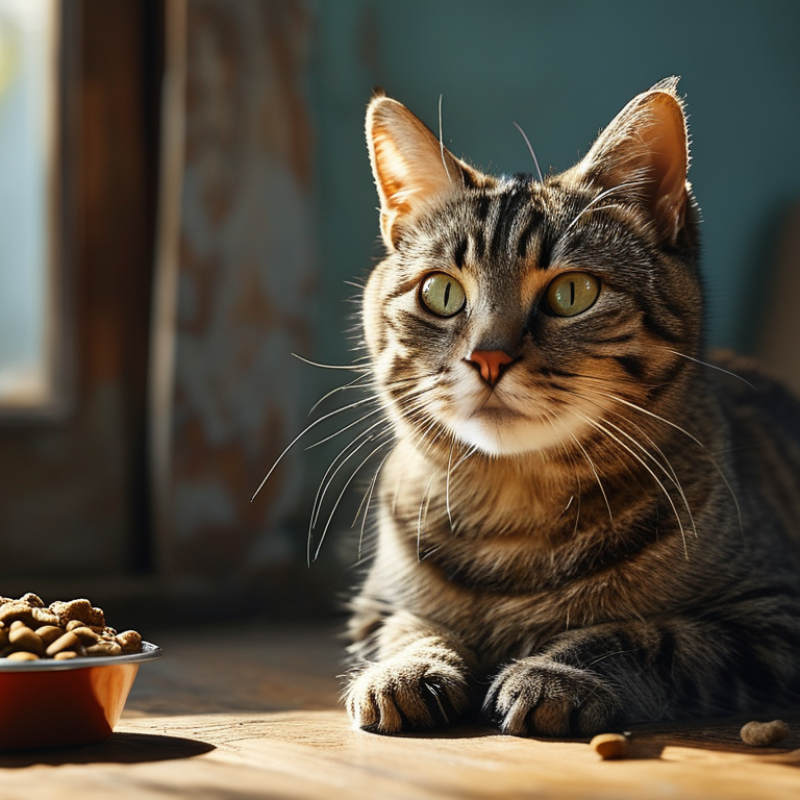
Can Cats Eat Dog Food? An Overview of Nutritional Needs
When considering whether cats can eat dog food, it’s essential to understand their different nutritional needs. Cats are obligate carnivores, meaning their diet must be rich in protein and certain nutrients found primarily in animal products. In contrast, dog food typically lacks adequate levels of taurine, arachidonic acid, and vitamin A, which are vital for a cat's health.
While an occasional small amount of dog food might not be immediately harmful, it does not provide the necessary nutrients that a cat requires. A diet laden with dog food can lead to deficiencies over time. This condition may manifest as lethargy, poor coat quality, or even more severe health issues.
Tips: Monitor your cat's diet closely. Aim to provide high-quality cat food that meets their dietary needs. If you must feed dog food, limit it to very rare instances and ensure plenty of fresh water is available. Consult with your veterinarian regularly to discuss any dietary changes. Always be cautious with food transitions, as your cat may have specific digestibility needs.
Can Cats Eat Dog Food Occasionally and What Are the Risks?
Understanding the Differences in Cat and Dog Food Formulations
When considering cat and dog food, it's crucial to understand their unique formulations. Each type of food is designed for specific nutritional needs. Cats are obligate carnivores and require essential nutrients found in meat. This includes taurine, arachidonic acid, and vitamin A. On the other hand, dogs are omnivores and have different dietary requirements. Their food often contains a balance of proteins, carbohydrates, and fats suitable for their metabolism.
Feeding your cat dog food occasionally can pose risks. Dog food lacks taurine, which can lead to serious health issues in cats. Prolonged exposure to dog food can cause malnutrition. Keep in mind that cats might find dog food less appealing due to its flavor profile.
Tips: If you must share, do so infrequently and in small amounts. Monitor your cat for any digestive issues. Keep an eye on your pet's overall health, and consult with a veterinarian for tailored advice. This ensures their diet remains balanced and healthy.
Occasional Feeding: Is It Safe for Cats to Eat Dog Food?
When considering if cats can eat dog food occasionally, it’s essential to understand their unique nutritional needs. Unlike dogs,
cats are obligate carnivores, meaning they require specific nutrients found primarily in meat.
According to a report by the Association of American Feed Control Officials (AAFCO), cat food must provide certain amino acids,
such as taurine, which is vital for their heart and eye health. Dog food, however, lacks adequate levels of taurine.
Occasional consumption of dog food is not toxic for cats, but it can lead to nutritional deficiencies over time.
If a cat eats dog food regularly, it may develop health issues. A 2021 study published in the Journal of Animal Science
highlighted that over 30% of pet owners reported feeding their cats dog food at some point.
This practice, while common, can be risky. Cats may experience lethargy or even weight loss if they lack essential nutrients.
So, while a little taste of dog food might not harm a cat, it’s a slippery slope. Many owners might not realize the long-term implications of this choice.
The risks associated with frequent feeding can outweigh the benefits.
Observing your cat's health and dietary habits is crucial. Introduce changes slowly and consult a veterinarian for tailored advice.
Potential Health Risks of Cats Consuming Dog Food
Cats are obligate carnivores. This means their diet primarily consists of meat.
Dog food does not meet their nutritional needs. It lacks essential nutrients that cats require to thrive.
Feeding cats dog food occasionally may not seem harmful. However, long-term consumption can lead to serious health concerns.
One significant risk is taurine deficiency. Cats need taurine, an amino acid found in meat.
Lack of taurine can cause heart issues and vision problems. Additionally, dog food often contains higher fiber levels, which can lead to digestive problems for cats, affecting their health.
Prolonged exposure to dog food may result in malnutrition.
Tips for cat owners:
Ensure your cat has a balanced diet formulated for their specific needs.
Monitor what your cat consumes. If your cat snags some dog food, it may be fine once in a while.
However, don't make it a habit. Consult with your veterinarian if you're concerned about your cat’s diet.
Regular check-ups can help prevent potential health issues.
Alternatives to Dog Food for Cats in a Pinch
When cats find themselves in a pinch, pet owners may wonder about suitable alternatives to dog food. While dog food is not toxic to cats, it lacks vital nutrients. Cats are obligate carnivores, requiring specific amino acids and vitamins that dog food simply doesn't provide.
In emergencies, other options can be better for felines. Cooked chicken or turkey can be a great substitute. These meats are high in protein and offer essential nutrients. It's crucial to avoid seasoning and bones. Plain, cooked fish can be another temporary option as well, but it should be given in moderation due to potential mercury content.
Should you find yourself without cat food, try engaging your cat with tuna water or scrambled eggs. These provide hydration and protein, albeit in small amounts. However, remember that these should not become regular staples. Always prioritize a balanced diet that meets your cat's unique nutritional needs. Regular dog food consumption can lead to health issues over time.
Can Cats Eat Dog Food Occasionally and What Are the Risks? - Alternatives to Dog Food for Cats in a Pinch
| Food Type |
Nutritional Profile |
Risks for Cats |
Alternatives |
| Dog Food |
Higher in carbohydrates, lower in protein compared to cat food. |
Nutritional deficiencies, potential digestive upset. |
Cooked chicken, beef, fish. |
| Tuna |
High in protein and omega-3 fatty acids. |
Can lead to mercury poisoning if fed too often. |
Canned tuna (in water). |
| Cooked Egg |
Rich in protein, vitamins, and fatty acids. |
Risk of biotin deficiency if fed raw. |
Scrambled or boiled eggs. |
| Plain Yogurt |
Good source of probiotics and calcium. |
Lactose intolerance may occur in some cats. |
Low-fat plain yogurt. |
| Pumpkin |
High in fiber and low in calories. |
Generally safe, but watch for sugar and additives. |
Cooked, plain pumpkin. |
FAQS
: Yes, but it shouldn't be a regular part of their diet.
Cats need taurine, arachidonic acid, and vitamin A, which dog food doesn’t provide.
Long-term feeding can cause nutritional deficiencies and health issues like lethargy.
Cooked chicken or turkey can be a great temporary substitute.
Yes, but feed it in moderation due to potential mercury content.
Yes, scrambled eggs offer hydration and protein, but don’t overdo it.
Regularly review their food for quality to ensure they get optimal nutrition.
Yes, discussing dietary changes with a vet is crucial for your cat's health.
Avoid seasoning and bones in any foods offered to your cat.
Lack of protein can lead to poor coat quality and more serious health issues.
Conclusion
When considering whether can cats eat dog food occasionally, it's important to understand the distinct nutritional needs of cats compared to dogs. Cat food is specifically formulated to meet the essential nutrients a cat requires, including higher levels of protein and certain vitamins such as taurine, which are not adequately present in dog food. While cats might nibble on dog food without immediate harm, regular consumption can lead to nutritional deficiencies.
Occasional feeding of dog food may be safe, but it should not become a staple of a cat's diet due to potential health risks, such as obesity or malnutrition. In emergencies, there are safer alternatives to dog food that can be offered to cats, ensuring they receive the right nutrients needed for their overall health. Therefore, while cats may eat dog food occasionally, it should be done with caution and not as a substitute for their specialized diet.

 Petra Pet