Can Dogs Eat Cat Food Safely in 2026 Best Tips?

Time:2026-04-29 Author:Ethan
0%

In recent discussions about pet nutrition, a common question arises: can dogs eat cat food safely? As pet owners become more aware of their animals' dietary needs, this topic has gained considerable attention. According to a survey conducted by the American Veterinary Medical Association (AVMA), approximately 30% of dog owners have unwittingly fed cat food to their dogs at least once. This highlights a significant knowledge gap in pet care.

Dr. Sarah Thompson, a leading veterinary nutritionist, emphasizes caution regarding this issue. She states, "While a tiny amount of cat food may not cause immediate harm, it is not designed for dogs and may lead to nutritional imbalances." This statement underscores the importance of appropriate pet diets. It's not just a matter of convenience; understanding the nutritional differences is crucial for overall health.

Moreover, cat food is often richer in protein and fat, which can lead to digestive issues for dogs. Some of these problems may not manifest immediately, causing owners to overlook potential long-term effects. Pet owners should always be vigilant about their dog's dietary habits to ensure their well-being. The question remains: can dogs eat cat food safely? The answer is nuanced and requires thoughtful consideration.
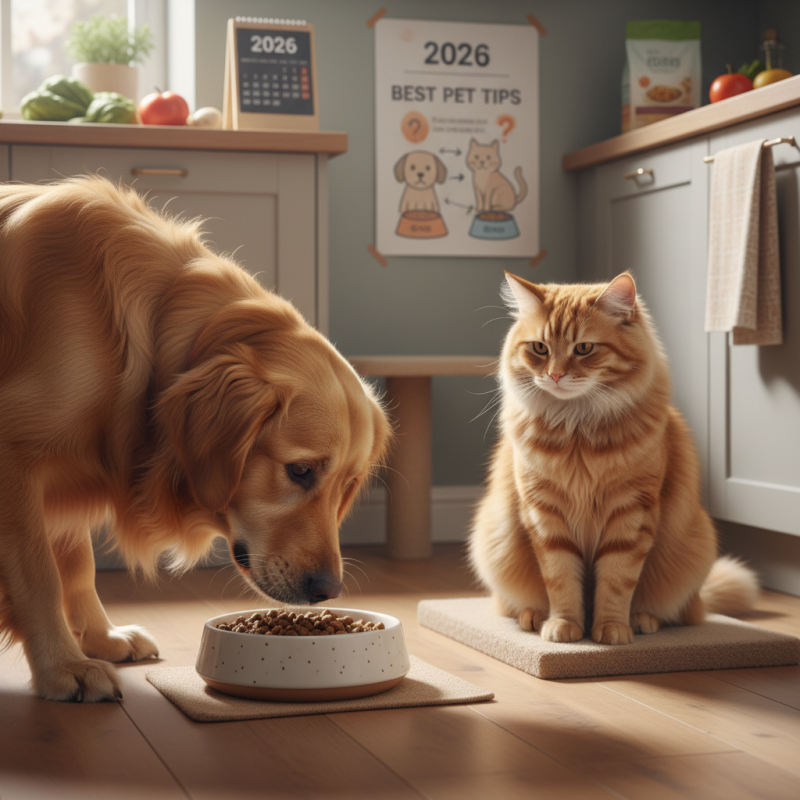
Can Dogs Eat Cat Food Safely in 2026 Best Tips?

Understanding Nutritional Needs of Dogs and Cats

Understanding the nutritional needs of dogs and cats is crucial for pet owners. Dogs and cats have different dietary requirements. Dogs are omnivores, while cats are obligate carnivores. According to the Pet Food Institute, a cat's diet should contain at least 26% protein. In comparison, a dog's protein requirement is only about 18%. This difference in protein needs reflects the variations in how each species metabolizes food.

Cats require specific nutrients like taurine, which is vital for their heart and eye health. Dogs can produce taurine in their bodies, making it less critical in their diet. The Association of American Feed Control Officials (AAFCO) stipulates that cat food often has higher fat levels as well. A dog's digestive system may struggle with this high-fat content, leading to gastrointestinal problems.

Feeding dogs cat food occasionally may not cause immediate harm, but it lacks essential nutrients for dogs. Observations suggest that long-term consumption could lead to nutrient deficiencies. Moreover, the calorie density in cat food may result in obesity for dogs. Pet owners should be aware and ensure their pets receive species-appropriate diets. These choices impact long-term health and well-being.

Comparison of Cat Food and Dog Food Ingredients

When considering the dietary differences between cat food and dog food, it's essential to examine the ingredient compositions. Cat food is generally richer in protein and fat, aiming to meet a cat's specific nutritional needs. Dogs, on the other hand, require a diet that is more balanced in carbohydrates and proteins. This fundamental difference can impact digestibility. Cats have higher protein requirements because they are obligate carnivores. Dogs are omnivores and can thrive on a more varied diet.

Additionally, key vitamins and minerals differ between cat and dog food. Cat food often contains taurine, an amino acid essential for feline health. Dogs do not require taurine in their diet. The presence of this nutrient in cat food can be beneficial for cats, but it may not serve any purpose in a dog’s diet. This mismatch raises questions about the safety of dogs eating cat food over time. Dogs may enjoy the taste of cat food, but consistent consumption could lead to nutritional imbalances. Some dogs might experience gastrointestinal issues, such as upset stomach or diarrhea, after consuming cat food.

Feeding a dog cat food occasionally is unlikely to cause severe harm, but it does not provide a well-rounded diet for dogs. Dog owners should be cautious. It's important to assess their pet's overall health. Regularly eating cat food should not become a habit. The best approach is always to consult with a veterinarian regarding your dog's specific dietary needs.

Potential Risks of Dogs Consuming Cat Food

Dogs are often curious about cat food. However, it's crucial to understand the potential risks involved. Cat food is formulated for the nutritional needs of cats, which differ significantly from dogs. The high protein and fat content can upset a dog's digestive system. It may lead to vomiting or diarrhea if consumed regularly.

Another risk is the presence of certain nutrients that dogs do not need in such high amounts. For example, taurine is abundant in cat food. While dogs produce taurine naturally, excessive amounts can result in health issues. Over time, these can lead to serious conditions like obesity or pancreatitis in dogs.

In some cases, dogs may develop a preference for cat food, neglecting their own diet. This shift can result in nutritional deficiencies. Even though a small amount occasionally might not cause harm, regular consumption poses a significant health risk. Always consult a veterinarian if you're unsure about your pet's diet. It's vital to prioritize their health and well-being.

Signs of Food Intolerance in Dogs

When it comes to dogs and food, some owners may wonder if their pets can occasionally nibble on cat food. However, sharing food can lead to signs of food intolerance in dogs. It’s essential for pet owners to know these signs for their dog's health.

Signs of food intolerance can vary significantly. One common indication is gastrointestinal upset. If a dog develops diarrhea or vomiting after eating, it may be reacting negatively to the food. Another sign to watch for is skin irritation. Red, itchy patches on the skin may suggest an allergic response. Additionally, changes in behavior such as excessive scratching or licking can signal discomfort.

Monitoring your dog closely after a change in diet is crucial. Keep a food diary to track what your dog eats and any symptoms that arise. A sudden change in diet, like introducing cat food, can stress your dog’s digestive system. If you see any signs of food intolerance, consult with a veterinarian. Their expertise can guide you in choosing the right diet for your furry friend.

Can Dogs Eat Cat Food Safely in 2026 Best Tips? - Signs of Food Intolerance in Dogs

Signs of Food Intolerance Impact Suggested Actions
Vomiting Indicates gastrointestinal distress Consult a vet, stop current diet
Diarrhea Possible food intolerance Monitor hydration, switch to bland diet
Lethargy Reduces activity level Vet visit required to assess health
Skin Irritation Itching and inflammation Hypoallergenic diet trial suggested
Excessive Gas Digestive discomfort Review diet for intolerances

Best Practices for Feeding Dogs and Cats Together

Feeding dogs and cats together can be a challenge. Many pet owners know that dogs might try to eat cat food. However, cat food is not designed for dogs. In 2022, the American Kennel Club reported that cat food has higher protein content. This is fine for cats but can lead to issues for dogs.

When dogs eat cat food, they may gain weight. Over time, this could lead to obesity. The Association for Pet Obesity Prevention states that approximately 56% of dogs are overweight or obese. Feeding cat food occasionally may not seem harmful, but dogs can suffer from gastrointestinal issues too.

It’s vital to monitor feeding habits. Separate feeding areas can help prevent dogs from sneaking cat food. Consider using raised dishes for cats, as this can make it more difficult for dogs to reach. Keep a close eye on both pets during meal times. Training your dog to respect boundaries can also help. A proactive approach ensures both pets stay healthy and happy.

FAQS

: What are the dietary differences between dogs and cats?

: Dogs are omnivores, while cats are obligate carnivores. This leads to differing dietary needs.

How much protein do cats need compared to dogs?

Cats require at least 26% protein, while dogs need about 18%.

What specific nutrient is essential for cats?

Cats need taurine for their heart and eye health, which dogs can produce on their own.

What problems can dogs face if they eat cat food regularly?

Regular consumption can cause vomiting, diarrhea, obesity, and nutrient deficiencies in dogs.

Can dogs develop a preference for cat food?

Yes, dogs may prefer cat food, which can lead to neglect of their own diet and health issues.

What should pet owners do to prevent dogs from eating cat food?

Use separate feeding areas, raised dishes for cats, and monitor mealtime closely.

Is it safe for dogs to eat cat food occasionally?

A small amount may not harm dogs, but regular intake poses significant health risks.

What health issues can arise from high taurine in dogs?

Excess taurine could lead to obesity or pancreatitis in dogs, which are serious conditions.

How can pet owners encourage healthy eating habits?

Training dogs to respect boundaries at feeding times helps ensure both pets eat appropriately.

What percentage of dogs are overweight or obese?

Approximately 56% of dogs fall into this category, often due to poor dietary choices.

Conclusion

In examining the question of "can dogs eat cat food safely," it's essential to understand the distinct nutritional needs of both dogs and cats. Dog food is formulated to meet the dietary requirements of canines, while cat food tends to have higher protein and fat content suitable for felines. Because of these differences, regular consumption of cat food by dogs can lead to potential health risks, including obesity and gastrointestinal issues.

Signs of food intolerance in dogs may manifest as digestive discomfort or allergic reactions, indicating that cat food should not be a substitute for their primary diet. To ensure harmonious feeding practices, it's advisable to keep pet meals separate and monitor both animals during mealtime. Implementing best practices for feeding can promote a healthier lifestyle for both dogs and cats, preventing any adverse effects associated with the inappropriate sharing of food.

Ethan

Ethan

Ethan is a seasoned marketing professional with a deep expertise in our company's innovative product line. With a passion for sharing knowledge and insights, he takes the lead in regularly updating our corporate blog, where he explores industry trends, product features, and effective marketing......