Choosing a reliable pet food supplier is crucial for any business in the pet industry. According to Dr. Sarah Thompson, a leading expert in pet nutrition, “Quality suppliers are the backbone of a successful pet food business.” Her insights emphasize the importance of selecting a trustworthy supplier to ensure healthy products for pets.
A reliable supplier should provide transparency about their ingredients and sourcing practices. Look for companies that conduct third-party testing. This helps ensure the safety and nutritional value of the products. Also, consider their reputation in the market. Online reviews and testimonials can reveal important details about their reliability and consistency.
Additionally, communication is key. A responsive supplier builds a positive partnership. Reflect on your needs and ask critical questions. This makes it easier to compare options. Remember, the right supplier can significantly impact your business's success. Taking the time to evaluate potential suppliers will pay off in the long run.
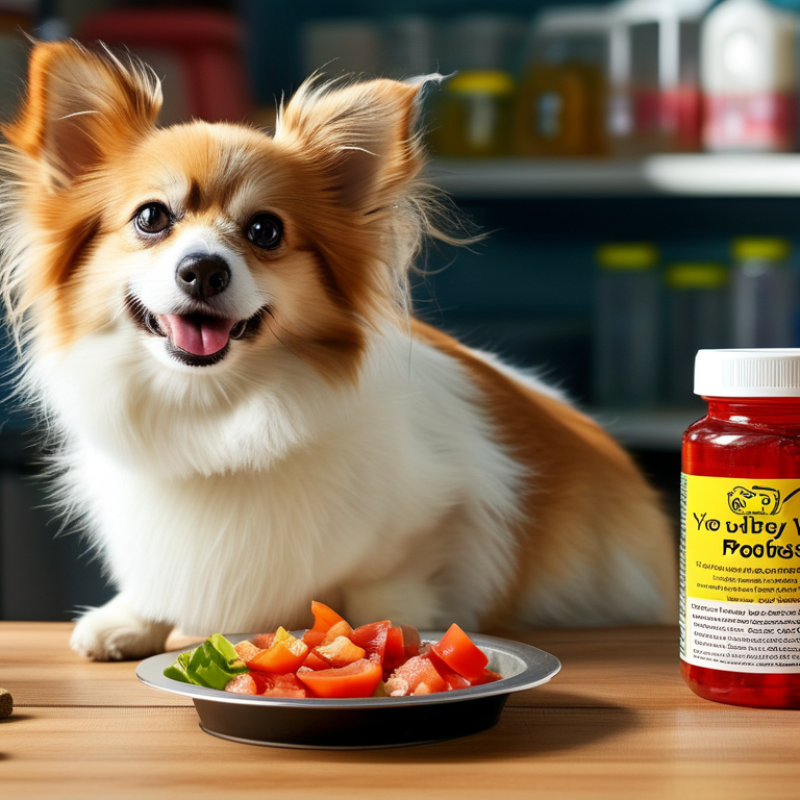
When selecting a pet food supplier, it's vital to focus on key qualities. Look for transparency in sourcing ingredients. According to the Pet Food Institute, 85% of consumers prioritize ingredient quality. Suppliers should provide detailed information about their production processes. This openness builds trust.
Certifications matter. A supplier with AAFCO or GMP certification signifies adherence to industry standards. This reduces the risk of sending your customers unsafe products. Moreover, understanding how they handle recalls is crucial. The 2022 American Pet Products Association report noted that 74% of pet owners are aware of product recalls.
Customer service is another important aspect. A reliable supplier will offer responsive support. Ask about their response times and process for addressing concerns. Research shows that positive supplier relationships can enhance your business reputation. Supplier reliability can directly impact your sales and customer satisfaction.
When selecting a pet food supplier, it's crucial to assess their certifications. Industry reports reveal that 75% of pet owners prioritize products with recognized certifications. Understanding what these certifications mean is essential for ensuring quality and safety. For instance, suppliers with AAFCO certification typically adhere to strict nutritional standards. This can reassure retailers about the products they stock.
Regulatory compliance is another vital aspect. The pet food industry complies with various regulations set by agencies like the FDA. Research indicates that products that meet these standards have a 30% higher consumer trust rating. Evaluating supplier compliance can prevent potential risks to both pets and business reputation.
Yet, not all suppliers maintain consistent compliance records. Reports show that 20% of suppliers faced compliance issues in recent audits. It's important to review suppliers' historical compliance data. This helps businesses identify those who may present risks in the supply chain. Choosing a supplier means balancing trust and assurance with thorough evaluation.
When choosing a pet food supplier, ingredient transparency is critical. Look for detailed labeling that reveals where ingredients come from. A responsible supplier should openly share information about ingredient sourcing. This builds trust between you and your supplier. Check if they mention specific farms or regions. This kind of clarity can reflect their commitment to quality.
Furthermore, consider how they assess ingredient quality. Reliable suppliers often provide testing results for their products. This shows that they prioritize safety and nutrition. Transparency about sourcing and testing can differentiate trustworthy suppliers from others. However, not all suppliers may readily offer this information. If it is not available, you might need to ask questions. Dive deeper into their practices. Assessing their responses can reveal their willingness to engage.
Finally, always reflect on the values behind the pet food you choose. Does the supplier advocate for sustainability? Or do their practices prioritize profit over quality? Understanding their ethos can guide your decision. A reliable pet food supplier should align with your own values and standards. This assessment becomes crucial in building a successful, trustworthy partnership.
When choosing a pet food supplier, customer reviews play a crucial role. These reviews reflect real experiences from other businesses. Analyzing feedback can give insights into the supplier's reliability. Look for patterns in the reviews. Are there consistent praises or complaints? This can reveal the overall quality of their products and services.
Case studies offer another layer of understanding. They provide detailed accounts of suppliers' performances. For example, a case study might highlight a supplier that improved its formula after receiving negative feedback. These real-world examples help gauge how responsive and adaptable a supplier is to concerns. Engaging with existing clients can deepen insights. Ask them about their experiences and whether their issues were addressed.
While reviews and case studies are important, they sometimes have limitations. Some reviews might be overly positive, while others can be exaggerations. Balancing this information is key for making informed decisions. A reliable supplier should have a history of transparency and improvement based on feedback. Identifying these traits will help ensure a good partnership.
When selecting a reliable pet food supplier, understanding supply chain logistics is crucial. A solid logistics system ensures timely deliveries and product integrity. Check how suppliers manage their inventory. Efficient inventory practices reduce delays and maintain stock levels. Transparency in logistics processes builds trust.
Evaluate a supplier's delivery reliability. Ask about their history—how have they handled unexpected delays? A good supplier anticipates issues and communicates effectively. Look for those who track orders in real-time. This feature reduces anxiety about missed shipments.
Assess the geographical reach of the supplier. Local availability can minimize transit times. However, be open to suppliers who cover wider areas with efficient systems. This could provide better options. Balance reliability with flexibility, since every situation may require adjustments.
A dependable relationship with a supplier goes beyond just logistics; it involves ongoing communication and addressing concerns as they arise.
: Ingredient transparency builds trust. It reveals where ingredients come from and indicates quality commitment.
Detailed labeling is essential. Focus on specific farms or regions mentioned by the supplier.
Reliable suppliers often provide testing results. This shows they prioritize safety and nutrition for pets.
Customer reviews reflect real experiences. Analyzing them can reveal the supplier's reliability and overall product quality.
Case studies provide detailed accounts of suppliers' performance and responsiveness to feedback. They highlight adaptability.
Some reviews may be biased or exaggerated. Balancing this information is crucial for informed decisions.
Solid logistics ensure timely deliveries. It maintains product integrity and builds trust between you and the supplier.
Ask about their history with delays. A good supplier should communicate effectively and anticipate issues.
Local suppliers can minimize transit times. However, wider coverage with efficient systems can provide better options.
Ongoing communication and willingness to address concerns are key. Flexibility is also important in managing unexpected situations.
When considering how to choose a reliable pet food supplier for your business, it is essential to identify key qualities that signify trustworthiness. Look for suppliers with verifiable certifications and compliance with regulatory standards, as these demonstrate a commitment to quality and safety. Additionally, assessing product quality through transparency in ingredient sourcing can help ensure that the food provided is of high nutritional value.
Moreover, analyzing supplier reputation through customer reviews and case studies can offer insights into their reliability and service quality. Understanding the logistics of the supply chain is crucial as well; ensure that the supplier can consistently deliver products on time to maintain your business's operational efficiency. By paying attention to these factors, you can make informed decisions that contribute to the success of your pet food business.

Petra Pet