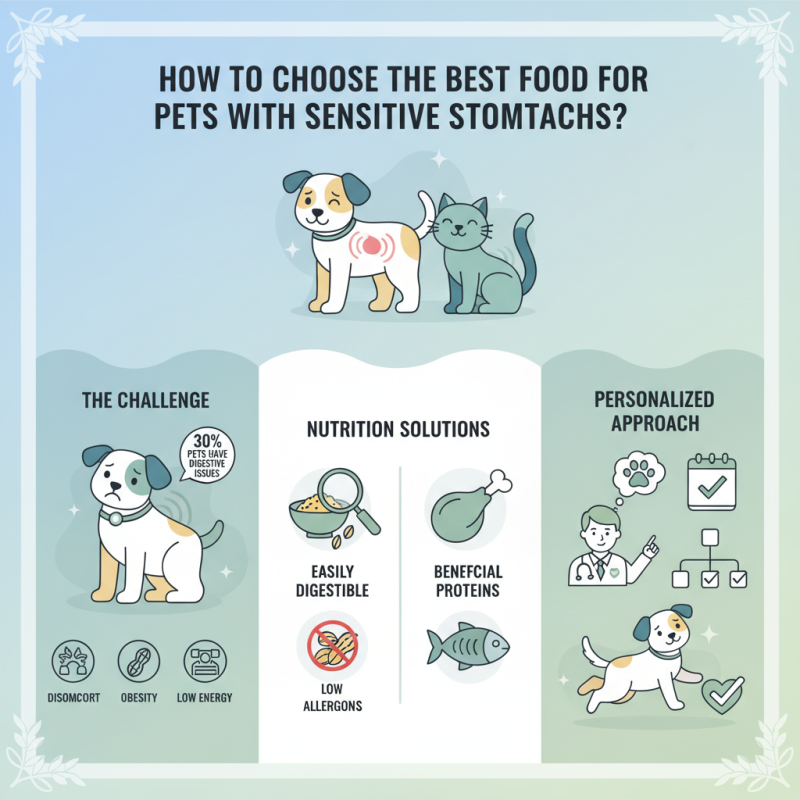
Choosing the right food for pets with sensitive stomachs is crucial for their health. Research shows that nearly 30% of pets suffer from digestive issues. These issues can lead to discomfort, obesity, and low energy levels. Therefore, understanding what food is best for sensitive stomach pets becomes essential for pet owners.
Veterinary nutritionists emphasize the importance of selecting easily digestible ingredients. Foods high in fiber and low in allergens tend to be beneficial. Studies indicate that diets rich in specific proteins, such as chicken or fish, can also aid digestion. However, it’s important to recognize that each animal is unique. A food that works for one pet may not be suitable for another.
Pet owners must observe their pets closely after introducing new foods. Tracking reactions can reveal what works best. It's a process that requires patience and observation. For a successful transition, consider consulting a veterinarian for tailored advice. With the right approach, you can improve your pet's digestive health significantly.
Understanding Pet Sensitivities: Symptoms of Digestive Issues
Pets with sensitive stomachs can show various symptoms. Some common signs include vomiting, diarrhea, and bloating. According to veterinary studies, nearly 25% of pets experience gastrointestinal issues. These symptoms often stem from food intolerances, allergies, or other digestive problems. Certain breeds may be more predisposed to these sensitivities. For example, bulldogs and terriers frequently struggle with digestive health.
When choosing food for sensitive pets, examining ingredients is crucial. Opt for limited-ingredient diets that minimize potential allergens. High-quality proteins, such as lamb or salmon, can be easier to digest. Avoid fillers like corn and soy which may aggravate sensitivities. Always transition meals gradually to help your pet adjust.
Tips for dealing with digestive sensitivities: keep a food diary to track what works or doesn't. Sometimes, what seems like a safe ingredient can still cause issues. Consult with a veterinarian if symptoms persist. Regular check-ups can lead to tailored dietary recommendations. A balanced diet plays a significant role in overall well-being. Be patient and attentive; each pet is unique and may require time to find the best food.
Pet Sensitivities: Symptoms of Digestive Issues
Identifying Suitable Ingredients for Sensitive Stomach Foods
When choosing food for pets with sensitive stomachs, close attention to ingredients is essential. Start by selecting sources of protein that are easy to digest. Options like chicken and turkey are often well-tolerated. Some pets may benefit from novel proteins like rabbit or duck, especially if they’ve had reactions to common ingredients.
Carbohydrates play a role too. Choose simple, hypoallergenic carbs like sweet potatoes or brown rice. These provide energy without causing digestive upsets. Fiber can help with digestion, but use it sparingly. Look for foods rich in soluble fiber, like oats. Avoid fillers and artificial additives. They can trigger gastrointestinal issues in sensitive pets.
It's vital to recognize that each pet is unique. Some ingredients may work for one animal but not another. Monitor your pet's response closely. Keep a diary of food changes and reactions. This will help identify suitable ingredients and develop a tailored diet that promotes health and comfort. Adjustments may take time, and each meal is a step toward achieving a balanced diet. Trust your observations and refine the choices accordingly.
Evaluating Commercial Pet Foods: Labels and Certifications
When evaluating commercial pet foods for pets with sensitive stomachs, it's essential to scrutinize labels carefully. Look for high-quality protein sources. Ingredients should be clear and recognizable. Avoid products with fillers or artificial additives. These can aggravate your pet’s digestive issues. A simple ingredient list often indicates a more natural approach.
Tips: Check for single protein sources. This can help identify any potential allergens. Grain-free options may also reduce gastrointestinal distress. It’s worth noting that even some "natural" foods can include hidden irritants. Always research any unfamiliar ingredients thoroughly.
Certification seals can provide extra peace of mind. Look for approvals from reputable organizations. These can indicate the food meets high safety standards. While certifications aren’t a guarantee, they can boost your confidence in a product. Rely on these labels to guide your choices. Sometimes, what seems healthy on the surface may not suit your pet. Be prepared to make adjustments and listen to your pet's reactions.
How to Choose the Best Food for Pets with Sensitive Stomachs?
| Food Type |
Key Ingredients |
Grain-Free |
Protein Source |
Certifications |
| Dry Kibble |
Chicken Meal, Sweet Potatoes |
Yes |
Chicken |
AAFCO approved |
| Wet Food |
Salmon, Brown Rice |
No |
Salmon |
USDA Organic |
| Freeze-Dried Food |
Beef, Peas |
Yes |
Beef |
Non-GMO |
| Raw Diet |
Raw Chicken, Vegetables |
Yes |
Chicken |
None |
Transitioning to New Food: Steps for Minimizing Stomach Discomfort
Transitioning to a new food can be tricky for pets with sensitive stomachs. It's essential to make this change gradually. Start by mixing a small amount of the new food with their current diet. A ratio of 10% new food to 90% old food is a good place to begin. Observe how your pet reacts during this stage. Look for any signs of discomfort, such as vomiting or diarrhea.
Over several days, increase the ratio to 25% new food. This slow transition helps your pet's digestive system adapt. After about a week, you can move to a 50/50 mix if they seem comfortable. Always monitor them closely. If any adverse reactions occur, it may indicate that the new food is not suitable. Keep a journal to track their response to the dietary changes. This data can help you make informed decisions in the future.
Remember to consult a veterinarian if you're unsure about the new food. A professional can provide insights tailored to your pet's needs. Each pet is unique, and what works for one may not work for another. Your pet's health is a priority, and taking the time to transition properly can lead to better outcomes.
Consulting with Veterinarians: When to Seek Professional Advice
When it comes to choosing food for pets with sensitive stomachs, consulting with veterinarians is essential. These professionals have the training and experience to assess your pet's health needs. They can recommend the best diet based on your pet's specific condition. A veterinarian may also suggest testing for food allergies or intolerances. This personalized approach ensures that your pet receives suitable nutrition.
Timing is crucial when seeking veterinary advice. If your pet shows signs of discomfort, such as vomiting or diarrhea, don’t wait. These symptoms can lead to serious health issues. Early intervention often leads to better outcomes. Additionally, if you switch your pet's food and notice persistent problems, it's time to consult a vet. Your pet relies on you for their wellbeing. Take this responsibility seriously.
However, note that not all veterinarians may have extensive experience with dietary issues. Some may lean towards prescription diets. This reliance can limit your options. Always feel free to seek a second opinion. Open dialogue with your vet is crucial. Discuss your observations and concerns. This collaboration will help you make informed choices for your pet's health.
FAQS
: Choose high-quality protein sources. Ingredients should be clear and recognizable.
No, they can worsen digestive issues. Avoid products containing these ingredients.
They help identify allergens and may reduce gastrointestinal distress for sensitive pets.
Yes, some may include hidden irritants. Always research unfamiliar ingredients.
They indicate the food meets high safety standards, boosting your confidence.
Mix a small amount of the new food with the current diet gradually.
Observe for signs of discomfort like vomiting or diarrhea and adjust accordingly.
This may indicate the food isn’t suitable. Keep a journal to track their responses.
Yes, a veterinarian can provide tailored insights for your pet's needs.
It helps your pet's digestive system adapt and can lead to better health outcomes.
Conclusion
Choosing the right food for pets with sensitive stomachs is crucial for their health and well-being. Pets suffering from digestive issues often exhibit symptoms such as vomiting, diarrhea, or decreased appetite. Understanding these sensitivities is the first step in determining what food is best for sensitive stomach pets. Identifying suitable ingredients is essential; look for formulas that are easily digestible and free from common allergens.
When evaluating commercial pet foods, always check labels for high-quality certifications and avoid fillers that may aggravate sensitivities. Transitioning to new food should be done gradually to minimize stomach discomfort—slowly mixing the new food with the old over several days is recommended. If digestive problems persist, consulting with a veterinarian will help guide you in making the best choices for your pet’s diet.

 Petra Pet