Determining how much food should I feed my dog per day is crucial for their health. Each dog is unique. Their age, weight, and activity level influence their dietary needs. You might find it overwhelming to choose the right amount.
A common guideline suggests one to two cups of dry food daily for an average-sized dog. However, this can vary significantly. Some breeds have higher energy requirements. Others may gain weight easily. Always assess your dog's condition regularly. If they seem overweight or underweight, adjustments are necessary.
Feeding your dog involves more than just following a chart. You must observe their behavior and energy levels. Are they playful and active, or lethargic? It’s essential to stay informed. Consulting with your veterinarian can provide personalized advice. This ensures you are meeting your dog's specific needs for a long, healthy life.
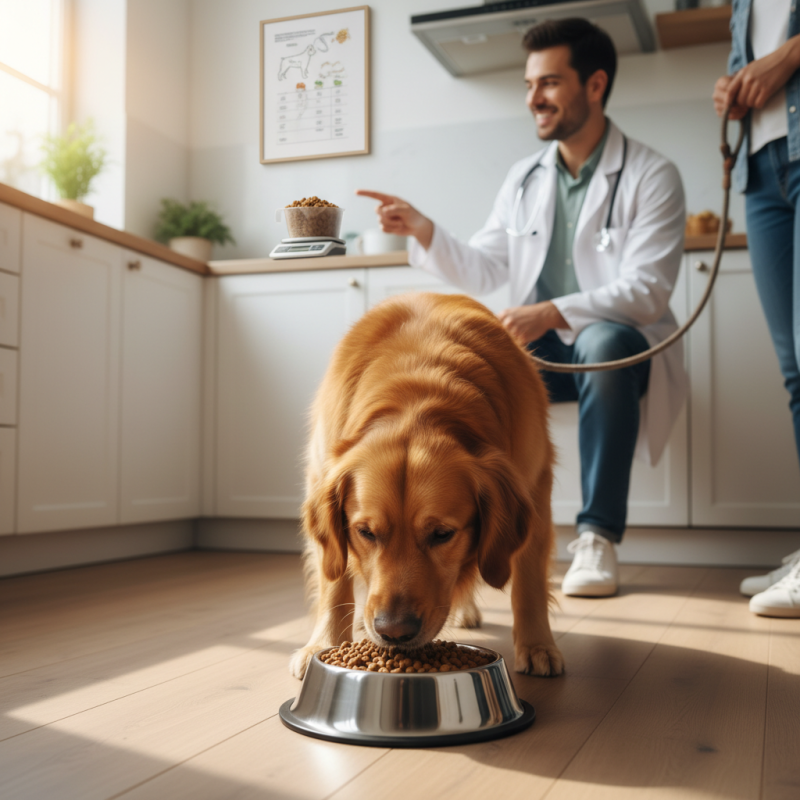
Determining your dog's daily caloric needs is essential for their overall health. Every dog is unique, and factors like age, weight, and activity level influence their caloric requirements. A simple guideline is to use their body weight. Many recommend about 30 calories per pound for a moderately active dog. However, this can vary.
Active dogs may require more calories. For instance, working dogs often need double the standard amount. On the other hand, older or less active dogs need fewer calories. It’s crucial to adjust based on their lifestyle and health. Regular veterinary check-ups can help you fine-tune their food intake.
Be mindful of portion sizes. Overfeeding can lead to obesity, a common issue in pets. You might think a little extra food won't hurt. In reality, it can lead to serious health problems over time. Always measure food accurately and watch for changes in your dog’s weight. Consider keeping a log of their eating habits. Adjustments may be necessary as they age or if their activity level changes.
Understanding the dietary needs of different dog breeds is crucial for their health. Each breed has unique characteristics that influence their nutritional requirements. For example, larger breeds like Great Danes need more calories and specific nutrients to support their bone health. In fact, a study published in the Journal of Animal Science shows that large breed puppies require about 30% more calories than smaller breeds during their growth stage.
Small breeds, on the other hand, have higher metabolism rates. They may require different proportions of protein and fat in their diets. A report from the American Kennel Club indicates that small dogs, such as Chihuahuas, often need higher fat content for energy. The right balance is key to avoid obesity, which is a common issue in small breeds.
It’s important to consider individual health conditions too. Some breeds are predisposed to certain health issues, such as hip dysplasia in German Shepherds. This could affect their dietary needs. Consulting a veterinarian can provide tailored nutritional advice. Information can vary widely, so ongoing learning about breed-specific requirements is essential. Balancing diet may take time and adjustments based on your pet’s health and activity levels.
Feeding your dog the right amount of food is crucial for maintaining their health. Several factors influence daily portions.
Age is a significant consideration. Puppies require more calories for growth, while older dogs may need less due to decreased activity. Research indicates that puppies need about 55 calories per pound of body weight, while adult dogs might need only 20-30 calories per pound.
Weight is another critical factor. Overweight dogs are at increased risk for health conditions like diabetes and heart disease. A study by the Association for Pet Obesity Prevention found that approximately 60% of dogs in the U.S. are overweight.
Adjusting portions based on a dog’s current weight can help address this issue. Regular veterinary check-ups can guide owners on ideal body weight and calorie needs.
Activity level plays a vital role as well. Active dogs require more calories. In contrast, sedentary dogs do best with fewer calories. For instance, a highly active dog may need 30-40% more food than an average dog. Observing your dog's behavior and adjusting their food accordingly can be helpful. It's important to remain aware of portion sizes, as even slight overfeeding can lead to long-term health problems.
Choosing the right type of dog food is crucial for your pet’s health. Not all dog foods are created equal. Look for high-quality ingredients that provide balanced nutrition. Proteins, fats, and carbohydrates are essential. A mix of meat, whole grains, and vegetables can be beneficial.
Consider your dog’s age, breed, and energy level. Puppies need more calories for growth, while senior dogs typically require less. Tailor the diet to meet their specific needs. Sometimes, it’s not easy to find a perfect fit. You may need to try different foods to see what works best.
Keep an eye on your dog’s weight and coat condition. If they are gaining weight, the food might be too rich. Light options may help manage their weight better. It’s a journey to find the right balance. Consult a veterinarian for guidance and advice. They can help you make informed choices.
Monitoring your dog’s weight is essential for their overall health. Obesity can lead to serious health issues, including diabetes and arthritis. According to the Association for Pet Obesity Prevention, approximately 59% of dogs in the U.S. are classified as overweight or obese. This statistic highlights the need for pet owners to take a closer look at their dog’s diet and lifestyle.
To determine the appropriate food portions, you must consider your dog’s breed, age, and activity level. Many veterinarians recommend checking your dog’s body condition score (BCS). A scale from 1 to 9 can help assess their weight. A score of 4 to 5 is ideal, where you can feel their ribs without excess fat covering. Adjusting portions should be based on regular weigh-ins, ideally once a month. Even small changes in diet can have a big impact.
If your dog is trending towards being overweight, reducing food intake by 10-20% can be beneficial. However, it's crucial not to decrease their food too rapidly. Slow adjustments help prevent risks like nutritional imbalance. Always consult with a veterinarian for tailored advice, as they can offer insights based on your dog’s unique needs.
: Calculate based on body weight. Around 30 calories per pound is a common guideline for moderate activity.
Yes, active dogs may need double the standard amount. Adjustments are based on their lifestyle and health.
Factors like age, weight, and activity level greatly influence their food portions and caloric needs.
Puppies need more calories for growth. Adult dogs need fewer calories as they age and become less active.
Overfeeding can lead to obesity, diabetes, and heart disease. Measured portions help manage their weight.
Regular weigh-ins, ideally monthly, can help track their weight and adjust food portions accordingly.
Use the body condition score (BCS) scale. A score of 4 to 5 indicates a healthy weight.
Reduce food intake by 10-20%, but avoid rapid decreases to prevent nutritional imbalance. Consulting a vet is wise.
Yes, highly active dogs may require 30-40% more food than average. Observing their energy levels is key.
Yes, as they age or their activity level changes, regular adjustments may be needed for optimal health.
When considering how much food should I feed my dog per day, it's essential to determine your dog's daily caloric needs based on factors such as age, weight, and activity level. Different dog breeds have varying dietary requirements, which can significantly impact the amount of food they should receive. It’s crucial to choose a type of dog food that provides optimal nutrition tailored to your pet's specific needs.
In addition to determining the appropriate portion sizes initially, monitoring your dog's weight and adjusting the portions accordingly is vital for maintaining their health. Regular assessments will help ensure that your furry friend remains at an ideal weight, preventing obesity or malnutrition. By considering these factors, dog owners can make informed decisions about their pets' diets for a long and healthy life.

Petra Pet