When it comes to pet nutrition, a common question arises: what is the difference between dog food and cat food? Understanding this distinction is essential for pet owners dedicated to providing proper dietary care for their beloved animals. Dogs and cats have unique dietary requirements influenced by their evolutionary paths, biological needs, and lifestyle preferences.
Dog food is formulated to meet the nutritional needs of omnivorous eaters. It often contains a mixture of proteins, grains, and vegetables. Cats, on the other hand, are obligate carnivores. They thrive on meat-based diets rich in protein and taurine. This crucial amino acid is vital for feline health but is absent in dog food. Many pet owners may overlook these differences, risking their pets' health.
Both species require specific vitamins and minerals to stay healthy. For example, cats need vitamin A, which they cannot synthesize. Additionally, the imbalance in certain nutrients can lead to issues over time. If unsure about your pet's food, consulting a vet can provide insights. This small correction can make a world of difference.
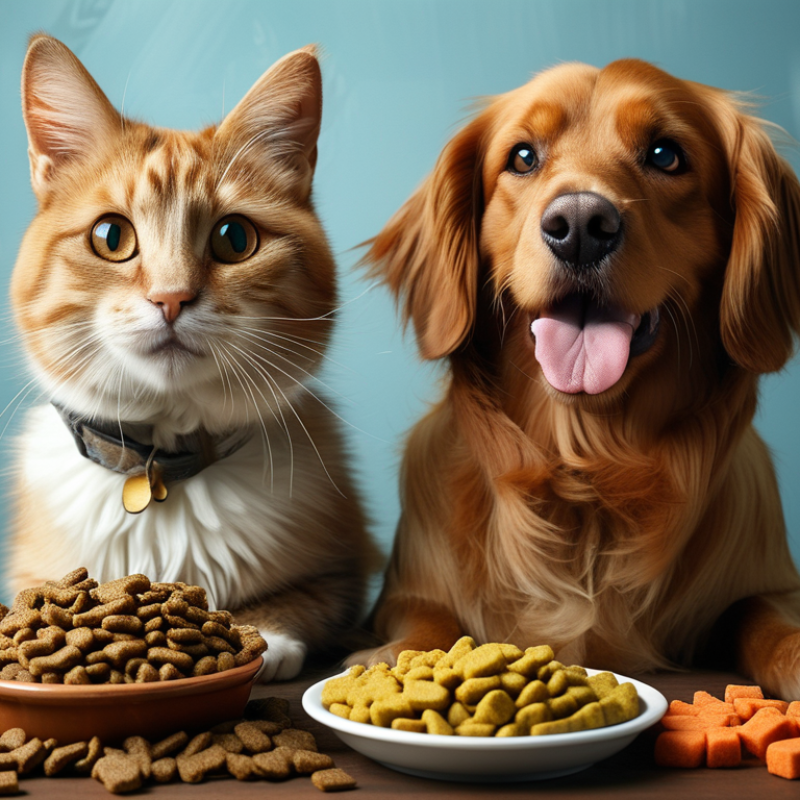
Nutritional Requirements of Dogs vs. Cats
When it comes to feeding our furry friends, understanding their unique nutritional needs is crucial. Dogs and cats have different dietary requirements. Dogs are omnivores, meaning they thrive on a mix of animal and plant-based foods. They require a balanced diet that includes proteins, grains, and vegetables. Cats, however, are obligate carnivores. Their bodies need high levels of protein and specific nutrients found only in animal products.
Cats, unlike dogs, require taurine, an essential amino acid. This nutrient supports their heart and eye health. Dogs can synthesize taurine from other amino acids, making their diet more flexible. Furthermore, cats need arachidonic acid, a fatty acid that dogs can produce on their own. These differences highlight the need for species-specific diets.
Choosing the right food can be challenging. Not all pet foods meet these nutritional standards. Some brands may cut corners or use fillers that lack essential nutrients. Pet owners must research and consult vets to ensure optimal health for their pets. Each animal's needs should be at the forefront of dietary decisions. Balancing quality with affordability can be tough. Ensuring that our pets receive the right nutrients is imperative for their overall well-being.
Nutritional Requirements of Dogs vs. Cats
This chart illustrates the nutritional requirements of dogs and cats, showing the differences in their dietary needs. Dogs typically require lower protein and fat compared to cats, while cats have a low carbohydrate requirement. Both species need a balanced intake of fiber, vitamins, and minerals, but the proportion varies significantly.
Key Ingredients: What Makes Dog Food Unique?
When considering the dietary needs of dogs and cats, one finds significant differences in their respective foods. Dogs are omnivores, requiring a mix of proteins, carbohydrates, and healthy fats. The key ingredients in dog food often include meat, grains, and vegetables. According to a study by the Association of American Feed Control Officials (AAFCO), balanced nutrition is crucial for happy, healthy dogs.
Cats, on the other hand, are obligate carnivores. They depend on animal protein to thrive. Their food lacks certain carbohydrates that dog foods often include. This unique dietary requirement means that the protein sources in cat food are different, often higher in fat and lacking plant-based fillers that are acceptable in dog food.
Tips: Always read labels. Look for high-quality proteins and essential nutrients in dog food. A good measure is to ensure protein makes up at least 18% of the total content for adult dogs. Remember, not all ingredients are created equal. Some grains can lead to allergies, so pay attention to your dog's reaction to new foods. Be mindful of formulations to avoid deficiencies in crucial nutrients. It's not just about filling the bowl; it's about nourishing your pet properly.
Understanding the Role of Protein in Pet Diets
When comparing dog food and cat food, one major difference lies in
protein content. Cats are obligate carnivores.
This means they require a higher level of protein in their diets. Studies show that cats need around
30-50% protein, while dogs thrive on
18-25%. This disparity influences how we
formulate pet foods.
Protein quality is crucial for both pets.
Animal-based proteins contain essential amino acids. These acids support muscle development and overall health.
For cats, taurine is vital. It aids in heart function and vision. Dogs, however, can synthesize
some amino acids, making their dietary needs more flexible. Industry reports emphasize that the balance of
protein sources can affect digestion and nutrient absorption.
Reflecting on these differences, pet owners might be tempted to share pet diets. However, this could lead to
nutritional imbalances. It's common for well-meaning owners
to overlook protein needs. Ensuring your pet receives the right nutrition is essential. A tailored approach could
make a significant difference in their well-being.
Taste Preferences and Feeding Behavior of Dogs and Cats
Dogs and cats exhibit distinct taste preferences and feeding behaviors. Research indicates that dogs are more omnivorous, thriving on a varied diet. According to the American Veterinary Medical Association, dogs show a preference for foods rich in meat and vegetables. They often enjoy being rewarded with treats, which can make mealtime a more interactive experience. This positive reinforcement shapes how dogs engage with their food.
Cats, in contrast, are obligate carnivores. They require specific nutrients found only in animal tissues. Studies by the Journal of Animal Sciences highlight that cats are less responsive to sweet flavors and tend to prefer higher protein content. Their feeding behavior is often solitary. Unlike dogs, cats might graze throughout the day. This difference results in varied dietary needs. While dogs may enjoy a mix of textures, many cats prefer moist food for hydration and palatability.
Understanding these differences is vital for pet owners. Proper nutrition impacts health, behavior, and lifespan. Cats need more essential nutrients like taurine and arachidonic acid, which don't exist in plant matter. Meanwhile, dogs benefit from a diverse diet, including grains. Failing to cater to these needs can impact their overall well-being. Every pet is unique, and it’s crucial to observe feeding habits and preferences for tailored nutrition.
Why Is Dog Food Different From Cat Food? - Taste Preferences and Feeding Behavior of Dogs and Cats
| Feature |
Dogs |
Cats |
| Taste Preference |
More accepting of variety (meat, grains, vegetables) |
Prefer meat-based flavors with a stronger taste |
| Nutritional Needs |
Require a balanced diet including proteins, fats, carbs |
Higher protein needs; require certain vitamins by diet |
| Feeding Behavior |
Tend to graze throughout the day |
Prefer eating large meals at once |
| Texture Preferences |
Enjoy crunchy kibble and wet food |
Favor smooth and soft textures |
| Common Ingredients |
Chicken, beef, corn, rice, vegetables |
Fish, chicken, beef by-products, taurine |
Regulatory Standards for Pet Food Formulation
Pet food formulation is strictly regulated. The Association of American Feed Control Officials (AAFCO) sets guidelines to ensure nutritional adequacy. Dogs and cats have different dietary needs. For example, cats are obligate carnivores, requiring higher protein levels. Meanwhile, dogs are omnivores, which means their diets can be more varied.
Nutritional standards for pet food differ significantly. AAFCO specifies minimum nutrient profiles for both species. Cat food must contain at least 26% protein and 9% fat. Dog food, by contrast, requires a minimum of 18% protein and 5% fat. These regulations reflect essential amino acids for each animal. For instance, taurine is critical for cats; a deficiency can lead to severe health issues.
Despite stringent regulations, many pet owners face challenges. Mislabeling and inadequate feeding guidelines can confuse consumers. A 2022 survey found that 25% of pet owners feed their pets unsuitable diets. This indicates a need for more education among pet owners regarding proper nutrition. Understanding these regulatory standards is vital for making informed decisions about pet food.
Conclusion
Understanding what is the difference between dog food and cat food begins with their nutritional requirements. Dogs and cats have different needs; for instance, cats are obligate carnivores and require higher protein levels, while dogs are omnivores with a more varied diet. Key ingredients in dog food often include grains and vegetables, which are less common in cat food that prioritizes meat sources.
The role of protein is crucial in both diets, but the types and amounts differ. Dogs typically have a more flexible taste preference, allowing for a range of flavors and textures, in contrast to cats, who may be more selective. Finally, regulatory standards ensure that pet food formulations meet the unique dietary needs of each species, highlighting the significant differences between dog food and cat food.

 Petra Pet