When considering what food helps pets lose weight, understanding the dietary needs of our furry companions is vital. Dr. Lisa Freeman, a veterinary nutritionist, emphasizes, “Choosing the right food is crucial for effective weight management in pets.” The struggle with pet obesity is real, and many owners find it challenging to navigate the options available.
It’s essential to recognize that not all pet foods are created equal. Many products on the market claim to support weight loss, but the quality of ingredients matters. A reliable diet typically includes high protein content, fiber, and low fat. Furthermore, it’s important to avoid overly processed foods packed with fillers. This can often lead to frustration as owners try to decode nutrition labels.
In helping our pets shed those extra pounds, appropriate portion control and regular exercise are equally crucial. While selecting healthier options, reflection on previous choices is necessary. Many pet owners may overlook the impact of treats or table scraps. Remembering these aspects can significantly influence outcomes. The journey to a healthier pet begins with informed decisions about what food helps pets lose weight effectively.
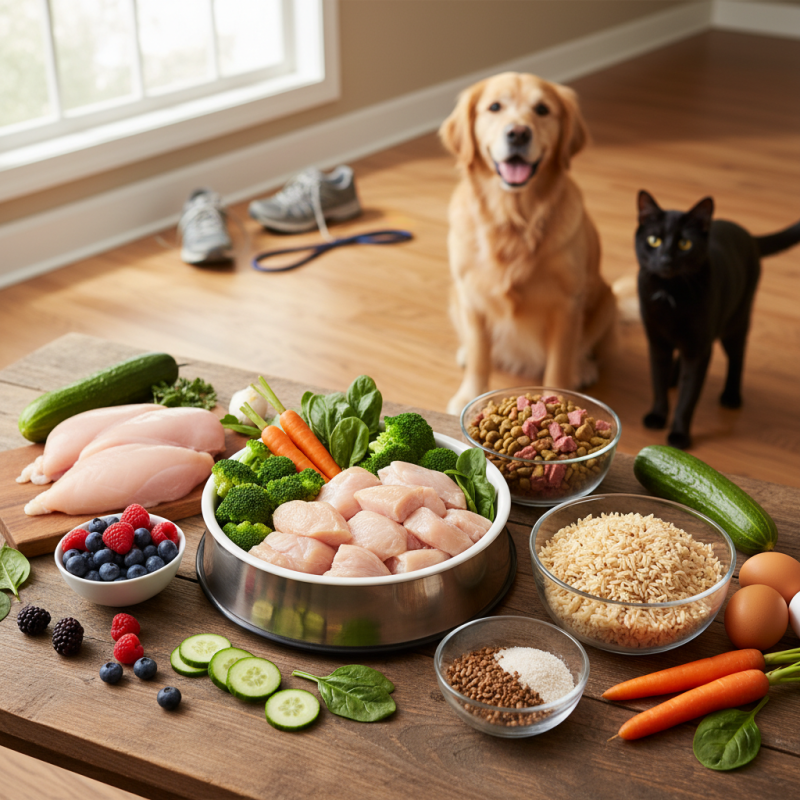
Pet obesity is increasingly recognized as a serious issue. Many pets suffer from health problems due to excess weight. This condition can lead to diabetes, joint issues, and heart disease. Understanding the causes of pet obesity is essential for pet owners. Factors include overfeeding, lack of exercise, and genetics.
Pet owners often give treats as a show of love. However, these treats can add up quickly. Regular feeding schedules and portion control are vital. An active lifestyle is crucial for maintaining a healthy weight. Engaging pets in playtime or walks can help them burn calories effectively. Many pet owners may not realize that non-exercise activities contribute to weight gain.
It is important to reflect on the habits we create with our pets. Some may offer food when a pet is anxious or bored. This can lead to unhealthy eating patterns. Observing your pet’s eating habits and weight regularly is key. Making small changes can yield significant results over time. Collecting data, like weight changes, can help track your pet's progress towards a healthier life.
When it comes to helping pets lose weight, understanding nutritional elements that promote weight loss is crucial. High-protein diets can be beneficial. Research shows that pets fed higher protein can lose weight while retaining muscle mass. This is essential for overall health. Low-carb diets can also aid weight loss. Many veterinary nutritionists recommend reducing carbohydrate intake. Estimates suggest that a 20% reduction in carbs can lead to noticeable weight loss.
Adding fiber to your pet's diet is another effective strategy. Fiber promotes a feeling of fullness while being low in calories. Ingredients like pumpkin or sweet potatoes can be great sources of fiber. A study indicated that pets consuming more fiber had better weight management results. Opting for meals with less fat is essential too. Maintaining a balanced ratio of macronutrients will help pets lose weight without sacrificing their health.
**Tip:** Gradually introduce new foods. This helps pets adjust better. Monitor weight changes over time. This allows for tweaks in the diet as needed. Always consult with a veterinarian before making significant changes to your pet’s diet. Regular exercise combined with proper nutrition is the best route to effective weight loss in pets.
When managing the weight of dogs and cats, selecting the right food is crucial. Look for products labeled as "light" or "healthy weight." These options typically contain fewer calories. They often have higher fiber content, which helps pets feel fuller. This can assist in reducing the overall quantity of food consumed.
Incorporating fresh vegetables can also make a difference. Carrots or green beans are great choices to add bulk without many calories. Your pet may enjoy these crunchy alternatives. Ensuring a balanced diet is key, so consider adding lean proteins and whole grains. These can help maintain muscle mass while reducing fat.
Tips: Monitor portion sizes closely. Measuring food ensures that you are feeding your pet the right amount. Regularly playing with your pet boosts their activity level. Both are essential elements in a weight management plan. Remember, every pet is unique; adjust their diet based on response and ongoing monitoring.
Portion control is crucial for pets aiming to lose weight. Many pet owners underestimate how much their pets should eat. A common mistake is overestimating portion sizes. Using a measuring cup can help provide accurate amounts. Remember, it's better to err on the side of caution when serving meals.
Feeding strategies can also make a difference. Implementing a regular feeding schedule helps establish routine. Divide daily food into smaller, more frequent meals. This approach can boost metabolism and keep pets satisfied. Always avoid free-feeding, as it can lead to overeating.
Monitoring your pet's weight regularly is essential. Reflecting on their progress helps you adjust portions accordingly. If your pet seems less active or struggles with weight loss, consult a vet. It's essential to find what works best for each individual pet.
Exercise plays a crucial role in helping pets achieve and maintain a healthy weight. According to the Association for Pet Obesity Prevention, around 60% of dogs and cats in the U.S. are considered overweight or obese. Regular exercise, paired with a well-balanced diet, can significantly reduce these figures. Activities like walking, playing fetch, or engaging in agility courses can enhance your pet's overall fitness levels.
Tip: Aim for at least 30 minutes of exercise daily for pets. Split this into shorter sessions to keep it engaging.
Moreover, physical activity not only aids in weight loss but also reduces the risk of obesity-related health issues. It promotes better mental health and increases the bond between you and your pet. Many pet owners underestimate the importance of consistent movement. Some pets may be unwilling to exercise, leading to frustration and stagnation in their weight loss journey.
Tip: Start slow and gradually increase intensity and duration. This helps pets adapt and reduces the chance of injury.
A clear exercise routine will motivate both pet and owner. Finding enjoyable activities is vital. As with any health regimen, tracking progress will highlight improvements and areas needing adjustment. Consider keeping a log to monitor your pet’s weight and activity levels over time.
: Pet obesity is a serious health issue affecting pets. It can lead to diabetes, joint problems, and heart disease.
Causes include overfeeding, lack of exercise, and genetic factors. Treats given as love can contribute too.
Regular feeding schedules and portion control are key. Monitor your pet's eating habits closely.
Exercise helps maintain a healthy weight and reduces obesity-related health risks. It also benefits mental health.
Aim for at least 30 minutes of exercise daily. Break this into shorter, enjoyable sessions to keep them engaged.
Start slow to build their fitness level. Gradually increase activity to keep them motivated and prevent injury.
Keep a log of your pet’s weight and activity levels. This helps identify improvements and areas for adjustment.
Yes, non-exercise activities can contribute to weight gain. Be mindful of their daily routines and habits.
Find activities they love. Engaging in fun games will help motivate both you and your pet.
Reflect on feeding habits and adjust portion sizes. Small adjustments in activity can lead to remarkable progress.
Pet obesity is a growing concern that can lead to serious health issues in our furry friends. Understanding the causes of pet obesity is essential for effective weight management. Key nutritional elements, such as high protein and low carbohydrate content, can promote weight loss, while specific foods are recommended for dogs and cats to help with weight management. Additionally, portion control and strategic feeding practices play a crucial role in reducing calorie intake, making it easier for pets to shed extra pounds.
To maximize the effectiveness of dietary changes, incorporating regular exercise is equally important. A balanced approach that combines what food helps pets lose weight with adequate physical activity supports overall health and well-being. By focusing on the right foods and creating a structured feeding and activity regimen, pet owners can help their pets achieve and maintain a healthy weight.

Petra Pet