As pet owners increasingly seek optimal nutrition for their furry companions, the question "is high protein food better for dogs and cats" arises. Recent studies indicate that proteins play a crucial role in maintaining pets' health. The Association of American Feed Control Officials (AAFCO) recommends specific protein levels for pet foods, which vary by age and activity level. A high-protein diet can support muscle development and overall vitality in both dogs and cats.
However, not all high-protein foods are created equal. Pet food quality and source matter significantly. A report from the Pet Food Institute finds that 63% of pet owners read ingredient labels carefully. Many seek real meat as the first ingredient. While high protein may benefit active pets, excessive protein can lead to health issues. This complexity raises questions about dietary balance in pet nutrition.
Choosing the right food demands careful consideration. Consulting a veterinarian can provide essential guidance tailored to individual pets. Balancing high protein with other nutrients ensures a well-rounded diet. As research evolves, pet owners must stay informed. The ongoing debate around protein levels highlights the need for more studies on long-term effects. Ultimately, the goal is fostering a happy, healthy life for our beloved pets.
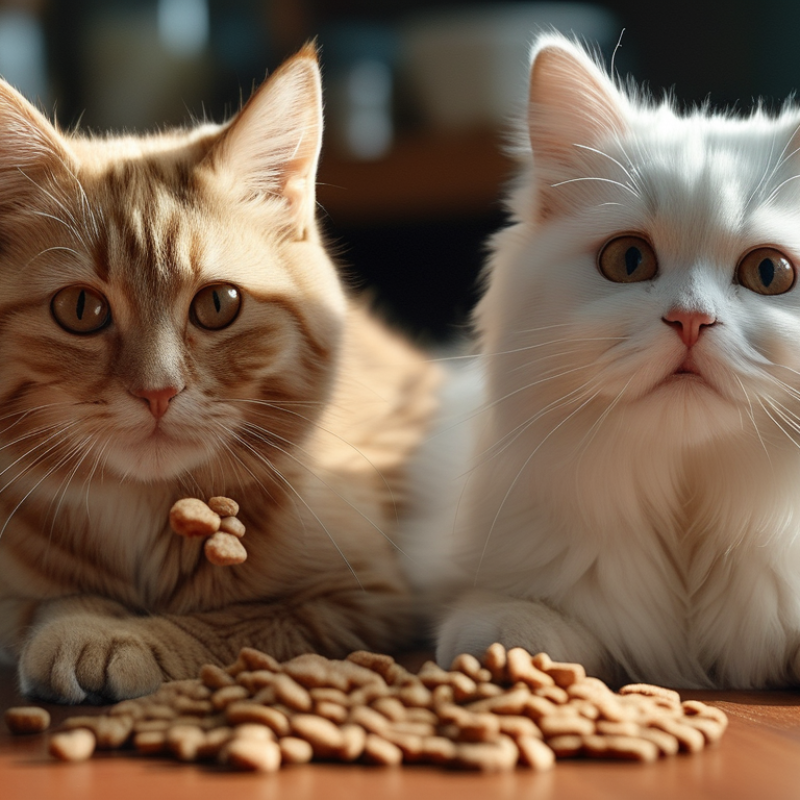
High protein foods have gained significant attention for the nutrition of dogs and cats. A balanced diet plays a crucial role in their overall health. According to the Association of American Feed Control Officials (AAFCO), protein is essential for growth, maintenance, and reproduction in pets. For adult dogs, protein should constitute about 18% of their diet, while for cats, it is even higher at 26%. This amount is necessary to support their energy levels and muscle mass.
When considering high protein foods, it is important to monitor the ingredient quality. Not all proteins are created equal. Animal-based proteins, such as chicken and fish, provide essential amino acids that are easily digestible. In contrast, plant-based proteins may lack certain nutrients. Look for foods that meet AAFCO standards to ensure they offer the right balance of nutrients.
Getting the right protein source is vital. Think about your pet's age, size, and activity level. Older animals may require fewer calories, but protein should still be a priority. Experiment with different types of high protein foods, but introduce changes gradually. Keep an eye on your pet's response. If you notice any digestive issues, it may be necessary to reassess their diet. Always consult with a veterinarian for tailored recommendations.
Protein plays a crucial role in the nutrition of dogs and cats. It is essential for growth, maintenance, and overall health. According to the Association of American Feed Control Officials (AAFCO), a minimum protein requirement is necessary for pet food formulations. For dogs, this requirement is around 18%, while for cats, it is significantly higher at about 26%. This difference highlights the unique dietary needs of each species.
High-quality protein sources provide amino acids that pets cannot synthesize on their own. These amino acids support vital functions, including muscle development and immune response. A study published in the Journal of Animal Science found that animals fed higher protein diets exhibited improved body condition and energy levels. However, not all high-protein diets are beneficial. Some may lead to kidney issues in pets with pre-existing conditions. It's important for pet owners to consult with veterinarians before making significant dietary changes.
The role of protein is complex and multifaceted. Many pet owners may believe that more protein is always better. This belief requires reflection, as excess protein can have unintended consequences. Balancing protein intake with other nutrients is key for optimal health. Each pet's needs differ based on age, activity level, and health status. Therefore, personalized nutrition plans are recommended for dogs and cats alike.
This chart illustrates the protein content of various common food types for dogs and cats, highlighting their nutritional differences.
High-protein diets have garnered attention for dogs and cats. These diets can offer significant benefits. Increased protein intake supports muscle development and energy levels. Active dogs, in particular, thrive on higher protein. This diet is essential for puppies and kittens. They require extra nutrients for growth and development.
Protein aids in maintaining a healthy weight. Pets often struggle with obesity, leading to health issues. A high-protein diet can help in weight management. It promotes satiety, making pets feel fuller longer. However, not all proteins are the same; quality matters. Owners should choose lean meats and avoid fillers.
Some pet owners worry about excessive protein. Balancing protein with other nutrients is crucial. Consulting a veterinarian before making drastic diet changes is advisable. Each pet has unique needs, and what works for one might not work for another. Monitoring your pet’s health and adjusting their diet accordingly is essential. High-protein diets can be beneficial, but reflection and care are necessary.
Many pet owners believe high protein diets are beneficial for dogs and cats. However, this approach carries potential risks that require careful consideration. Pets are not just smaller versions of humans. Their nutritional needs can vary significantly. High protein intake can lead to kidney stress over time, especially in older animals.
Some pets may develop gastrointestinal issues, such as diarrhea or vomiting, when introduced to protein-heavy diets too quickly. This may cause discomfort and lead to further health complications. Additionally, certain protein sources may not be suitable for all pets, particularly those with allergies. It’s crucial to understand your pet’s specific needs before making dietary changes.
High protein diets might lead to obesity if portion sizes aren’t monitored. This can contribute to a decline in overall health. Even well-meaning pet owners can overindulge their furry friends. Consulting with a veterinarian can provide insights tailored to your pet. Balancing protein levels with other nutrients is key to maintaining your pet’s health. Making informed decisions can help ensure your pets thrive on any diet you choose.
When choosing protein sources for your dogs and cats, it's essential to focus on quality. Data from a recent study indicates that animals thrive on high-quality proteins that are easily digestible. Sources like chicken, turkey, and fish provide essential amino acids necessary for muscle growth and overall health. These sources not only support energy levels but also contribute to a shiny coat and healthy skin.
Plant-based proteins can be a supplement but might not offer complete nutritional value. A survey conducted by veterinary nutrition experts revealed that 45% of pet owners are unaware of the quality differences in protein sources. This misunderstanding can lead to imbalanced diets, affecting pets' wellbeing. While it’s crucial to include protein in their diet, it’s equally important to ensure these proteins come from good-quality sources.
Over time, the protein needs of pets may evolve. Senior pets often require less protein but higher quality to maintain muscle mass. Conversely, active young animals may benefit from higher protein levels. Therefore, regularly assessing your pet's dietary needs against current nutritional guidelines can help in making informed choices. Engaging with a veterinarian can provide clarity on these evolving protein requirements, ensuring your pets get what they need.
: Protein supports growth, maintenance, and overall health in dogs and cats.
Dogs need about 18% protein, while cats require around 26% in their diet.
No, some high-protein diets may cause kidney issues, especially in pets with existing conditions.
Focus on high-quality, easily digestible proteins like chicken, turkey, and fish.
Plant-based proteins can supplement but may lack complete nutritional value.
Senior pets may need less protein but of higher quality to maintain muscle mass.
Many believe that more protein is always better, which can lead to imbalanced diets.
Excess protein can have unintended consequences; pets need balanced nutrition for optimal health.
Regular assessments are necessary to adjust to changing nutritional guidelines.
Yes, consulting a veterinarian is crucial for tailoring your pet’s nutrition plan.
In recent discussions around pet nutrition, the question "is high protein food better for dogs and cats" has gained considerable attention. High protein foods play a crucial role in the diet of both dogs and cats, contributing to muscle development, energy levels, and overall health. These diets can be particularly beneficial for active pets, or those in specific life stages, as protein supports vital bodily functions and promotes a healthy lifestyle.
However, it's important to recognize the potential risks associated with high protein diets, such as kidney strain or imbalances in nutrients if not carefully managed. Pet owners should prioritize choosing high-quality protein sources, ensuring that their pets receive a balanced diet tailored to their individual needs. Ultimately, while high protein foods offer numerous benefits, a thoughtful approach to nutrition is essential for maintaining the health and well-being of our furry companions.

Petra Pet