When it comes to feeding our pets, understanding the ingredients in their food is crucial. Pet food labels can be confusing, and many pet owners wonder, "what ingredients should I avoid in pet food?" Dr. Lisa Freeman, a veterinary nutritionist at Tufts University, emphasizes, "Many common ingredients can be harmful to pets, yet they are often overlooked."
It's essential to scrutinize pet food labels closely. Familiarize yourself with terms like meat by-products, artificial preservatives, and fillers. These components may sound innocuous, but they can impact your pet's health negatively. Even seemingly safe ingredients can cause allergic reactions or digestive issues in some pets.
Navigating the world of pet food is daunting. With so many brands and options, you might feel overwhelmed. However, being an informed pet owner can lead to healthier choices for your furry friends. Take the time to research and consult experts. Your pet's well-being depends on it. Understanding what to avoid can be the key to providing a balanced and nutritious diet.
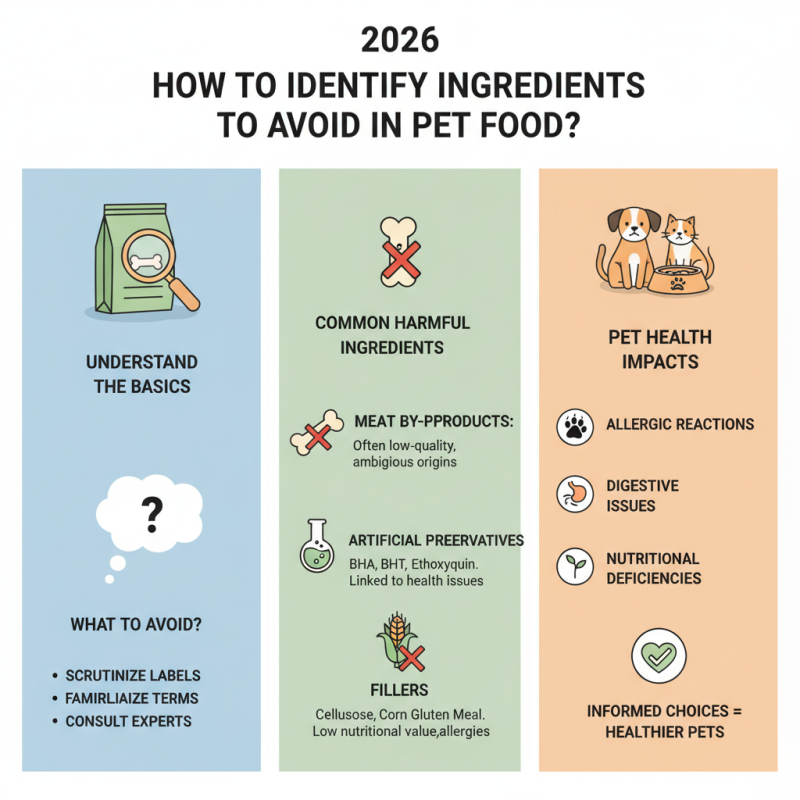
Understanding Common Harmful Ingredients in Pet Food
When choosing pet food, understanding harmful ingredients is crucial. Many products contain fillers and artificial additives. These can negatively impact your pet's health over time. For example, some common preservatives, like BHA and BHT, are linked to cancer risks in animals. Also, meat by-products often raise concerns, as they may include unregulated animal parts.
Reading labels is essential. Look for terms like “animal digest” or “generic meat sources.” These ingredients can be vague and untrustworthy. Additionally, avoid foods with excessive grains. They can lead to allergies and digestive issues in pets. High-quality pet food should prioritize real, recognizable ingredients.
Of course, not all additives are harmful. Some vitamins and minerals are beneficial. However, it’s the synthetic additives that can create problems. Always do thorough research. Pet food safety is a shared responsibility between manufacturers and consumers. Choosing wisely ensures a healthy diet for your furry friend.
Recognizing Artificial Additives and Preservatives
When selecting pet food, recognizing artificial additives and preservatives is crucial. Many commercial pet foods contain synthetic ingredients that may harm your pet's health. These additives can serve multiple purposes, such as enhancing color, flavor, or shelf life. However, not all additives are beneficial.
Common artificial preservatives include BHA, BHT, and ethoxyquin. These chemicals can accumulate in your pet’s body over time. Unnatural colors and flavors might make the food more appealing, but they can introduce health risks. For instance, food dye Red 40 often induces allergic reactions in sensitive pets. Monitoring ingredient labels is vital to ensure your pet's safety.
Pets may respond differently to various artificial ingredients. Some pets experience digestive issues or skin irritations when consuming certain additives. Regularly assessing how your pet reacts to their food can help you identify troubling ingredients. If you notice changes in behavior or health, reconsider the additives in their diet. Healthy pets often thrive on natural, whole food ingredients.
Identifying Low-Quality Animal By-Products
When assessing pet food, not all animal by-products are created equal. Low-quality animal by-products can include meat meals and rendered fats. These components may come from sick or diseased animals. According to the Association of American Feed Control Officials (AAFCO), proper labeling can be misleading. Consumers must learn to identify these terms.
Research indicates that more than 40% of pet owners are unaware of the differences between quality by-products and low-grade alternatives. Many believe that "meat by-products" signify nutritious sources. However, this term often means slaughterhouse scraps and waste materials. A study from the Pet Food Institute shows that high-quality by-products, like organ meats, provide essential nutrients. Pet owners need to recognize this nuance.
Additionally, examining the sourcing of animal by-products is crucial. Transparency in ingredient sourcing ensures better quality. Not all brands disclose their supply chains. A report from the Journal of Animal Science highlights that some renderers operate without sufficient regulations. This raises questions about the safety of pet food.
Understanding these factors allows pet owners to make informed decisions for their furry companions.
Spotting Unnecessary Fillers and Grains
When choosing pet food, it’s crucial to scrutinize ingredients. Fillers and unnecessary grains often offer little nutritional value. Many pet foods contain corn, wheat, or soy. These ingredients help reduce costs but can harm your pet’s health. Grains are not suitable for all animals. For instance, some pets may be allergic to these fillers.
Look for more meaningful ingredients. Protein sources like chicken, beef, or fish should be the first items listed. Avoid foods where fillers dominate the ingredient list. Familiarize yourself with terms such as "by-products" or "meal." These often indicate lower-quality sources and may lack essential nutrients.
Understanding ingredients means being vigilant. Read labels carefully and research unfamiliar terms. Some preservatives may seem harmless but could pose health risks over time. Prioritize nutrition for your pet. Reflection on dietary choices can lead to better outcomes for your furry companions.
Evaluating Nutritional Labels for Pet Food Safety
When evaluating nutritional labels for pet food, attention to detail is crucial. Start by checking the ingredient list. Ingredients are listed in descending order by weight. The first few ingredients usually make up the bulk of the food. If you see fillers like corn or soy as top ingredients, be wary. These ingredients can be less nutritious than meat sources.
Look for terms like "by-products" or "meat meal." These can be vague and may imply lower quality ingredients. Not every meat meal is equal; some can be nutritious, while others may come from questionable sources. It’s essential to understand the meaning behind these terms. Many owners find the language on labels confusing.
Additionally, recognize that not all food labeled "natural" is truly healthy. This term can be misleading, often used for marketing rather than nutritional value. Just because it sounds good doesn’t mean it is. Some pet foods might also have additives like artificial colors or preservatives. While these aren’t illegal, they might not be the best for your pet's health. It's a complex landscape, but being informed will lead to better choices.
FAQS
: Low-quality animal by-products can include meat meals and rendered fats from sick animals.
Labels can be confusing. Terms like "meat by-products" often refer to scraps rather than nutritious sources.
Research shows that over 40% of pet owners are unaware of the difference in by-products.
Transparency ensures better quality. Some brands do not disclose their supply chains, raising safety concerns.
Focus on the first few ingredients. If fillers like corn or soy are top, be cautious.
Not necessarily. The term "natural" can be misleading and may not guarantee nutritional benefits.
While some additives aren't illegal, they may not be the best choice for your pet's health.
Understand that not all meat meals are equal; some can be nutritious, while others are not.
Conclusion
When choosing pet food, it is essential to be aware of harmful ingredients that could negatively impact your pet's health. A thorough understanding of common harmful ingredients is crucial, including recognizing artificial additives and preservatives that are often used to enhance flavor and shelf life, yet may pose health risks. Additionally, identifying low-quality animal by-products can help you avoid foods that lack essential nutrients.
Furthermore, it’s important to spot unnecessary fillers and grains which provide little nutritional value and can lead to obesity in pets. Evaluating nutritional labels is a key step in ensuring the safety of your pet’s food. Therefore, pet owners frequently ask, "what ingredients should I avoid in pet food?" By arming yourself with knowledge of these factors, you can make informed choices that support your pet's overall well-being.

 Petra Pet