The pet food industry in China is booming, raising the question: is selling pet food profitable? According to Dr. Liu Wei, a recognized expert in pet market trends, "Understanding consumer behavior is key to profitability in the pet food sector." This insight highlights the complexities behind the industry's potential.
In recent years, pet ownership has surged in China. Many families view pets as family members. This shift creates a substantial market for high-quality pet food. However, competition is fierce. While growth prospects seem strong, brands must differentiate themselves to capture market share.
Investors often overlook challenges like sourcing quality ingredients. Pricing strategies are also crucial. Premium products attract pet owners willing to spend but require effective marketing. The landscape offers great potential, yet many factors could impede profitability. Thus, careful planning and research are essential in navigating this vibrant yet challenging market.
Market Overview of Pet Food in China
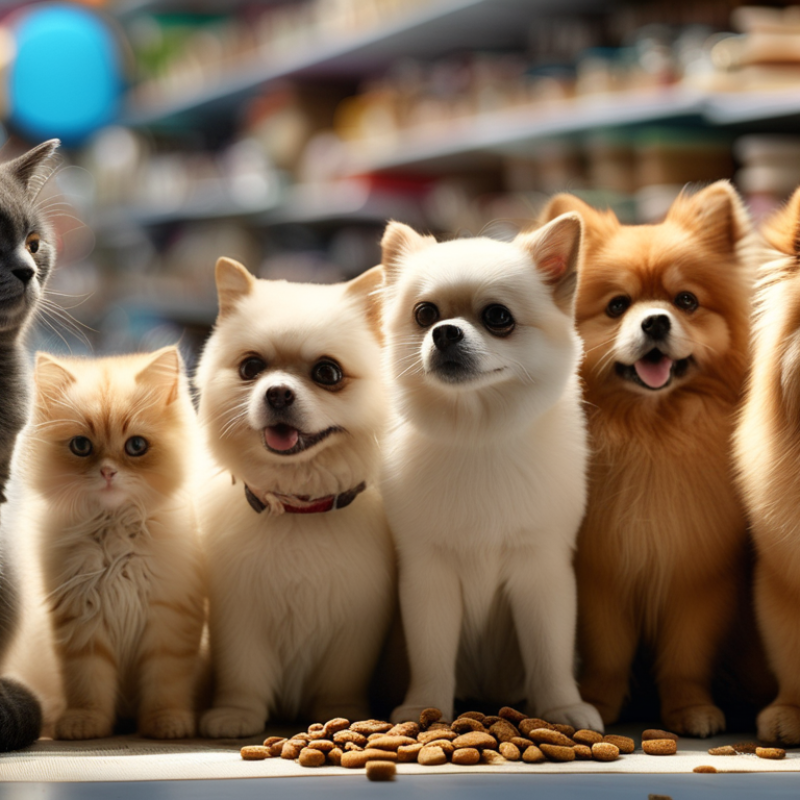
The pet food market in China has seen impressive growth in recent years. According to a report by Euromonitor, the market reached a staggering 50 billion RMB in 2022, reflecting the changing attitudes toward pet ownership. More families treat pets as members, fueling demand for high-quality food that meets specific dietary needs.
One vital trend is the shift towards premium and natural pet food. Data from market research firms shows that over 40% of consumers are willing to pay more for organic options. However, while profits can be enticing, businesses must navigate regulatory challenges. The Chinese government has strict regulations regarding pet food safety. Adherence to these regulations is crucial for market entry and sustainability.
Tips: Always research local regulations thoroughly before venturing into the pet food sector. Consumer preferences can also vary by region, so adapting product offerings to local taste can strengthen your market position. Consider engaging with customers to understand their needs better. Market trends may change rapidly, requiring constant vigilance and flexibility.
Consumer Trends Influencing Pet Food Sales
In recent years, pet ownership in China has skyrocketed, leading to a surge in demand for pet food. Pet owners are increasingly conscious of their pets’ health. They seek nutritious and premium-quality products. This rising awareness has driven a focus on natural ingredients. Many consumers now read labels carefully before purchasing. They want assurance that they are making the best choices for their beloved animals.
Social media plays a crucial role in shaping consumer behavior. Platforms like WeChat and Weibo are popular for sharing experiences and recommendations. Influencers often promote healthy pet food options. This trend has significantly impacted purchasing decisions. However, some consumers struggle to navigate the myriad of choices. They may feel overwhelmed by conflicting information on what constitutes "healthy" pet food.
Price sensitivity is also an emerging trend. While some consumers are willing to spend significantly on high-quality pet food, others are more budget-conscious. Brands must find a balance between quality and affordability. Many businesses face the challenge of maintaining competitive pricing while ensuring product integrity. This emphasis on quality versus cost often leads to complex marketing strategies and consumer confusion.
Key Challenges in the Chinese Pet Food Industry
The Chinese pet food industry is booming, but it faces key challenges. Understanding these hurdles can help potential sellers navigate the market effectively. Regulatory issues often create barriers. The food safety standards are stringent, requiring compliance at every level. Brands must invest in testing and certification processes, which can be costly and time-consuming.
In addition, the competition is fierce. Local brands often dominate segments with lower prices. New entrants may struggle to gain traction. Building a strong distribution network is essential yet challenging. It requires partnerships with retailers, which can be hard to establish.
Tips for entering this market include focusing on quality and sourcing. Consumers are increasingly health-conscious about pet food. Highlighting natural ingredients can attract attention. Additionally, invest in marketing strategies that resonate with pet owners. Social media campaigns can foster community engagement and brand loyalty.
Evaluate your supply chain regularly; inefficiencies can impact profitability. Be aware of changing consumer preferences. Adapting quickly can set you apart from competitions. Taking time to research and reflect is crucial before making significant business decisions.
Profit Margins and Pricing Strategies for Pet Food
In China's booming pet industry, understanding profit margins and pricing strategies is essential for success. Businesses often face tight margins, with profits varying significantly between premium and economy segments. Premium pet food typically boasts higher margins, appealing to affluent pet owners. Yet, the challenge lies in production costs and consumer price sensitivity. Finding the right balance can be tricky.
Pricing strategies must adapt to local preferences. Many consumers prefer purchasing online, driven by convenience. Brands must ensure their prices reflect the quality while remaining competitive. Surveys show that pet owners are increasingly informed about ingredients. This knowledge shapes their willingness to pay, making transparency vital.
Market dynamics are evolving, with more players entering the field. Differentiation is crucial in this competitive landscape. High-quality ingredients and sustainable practices can attract discerning customers. However, businesses must often reassess their strategies based on market feedback. What worked last year may not be effective now. Adapting quickly is essential for longevity in this vibrant market.
Is Selling Pet Food Profitable in China - Top 10 Insights
| Insight |
Value |
| Average Profit Margin |
20% - 30% |
| Market Growth Rate (2023) |
15% annually |
| Top Selling Pet Food Type |
Dry Food |
| Average Price Range (per kg) |
$2 - $5 |
| Consumer Buying Frequency |
Monthly |
| E-commerce Share of Sales |
40% |
| Influence of Online Reviews |
70% of consumers consider |
| Packaging Trends |
Eco-friendly options preferred |
| Key Marketing Strategy |
Social Media Engagement |
| Challenges in the Market |
Competition and Regulation Compliance |
Future Prospects for Pet Food Business in China
The pet food market in China is expanding rapidly. Many factors contribute to this growth. First, the rise of pet ownership increases the demand for quality pet food.
Younger generations, in particular, prioritize their pets' nutrition. They seek products that meet high standards. Besides, pet owners are often willing to spend more on premium products.
However, challenges exist for new businesses. Understanding consumer preferences is crucial. Market research can help determine which products appeal to specific demographics. Also, the distribution network requires careful planning. Competing with established brands can be tough for newcomers. Adapting to trends, like natural ingredients or eco-friendly packaging, is necessary.
The future of the pet food business in China looks promising but uncertain. Regulation changes may impact product formulations and marketing. Companies must stay informed about evolving laws and standards. Continuous innovation is vital to remain relevant. Thus, businesses need agility to navigate this dynamic landscape.
Conclusion
The pet food market in China has shown remarkable growth, driven by changing consumer trends and increasing pet ownership. Understanding whether selling pet food is profitable involves analyzing key factors such as market dynamics, consumer preferences, and the competitive landscape. While there are significant profit margins available, the industry faces challenges, including regulatory hurdles and rising production costs. Businesses need to adopt effective pricing strategies and adapt to evolving consumer demands to succeed.
Looking ahead, the future prospects for the pet food business in China appear promising, as owners increasingly view their pets as family members, leading to a willingness to spend more on high-quality nutrition. Therefore, for those considering entering the market, the question of whether selling pet food is profitable can be favorably answered, provided that they navigate the challenges and capitalize on consumer trends effectively.

 Petra Pet