Why Does Pet Food Smell Different in 2026

Time:2026-06-22 Author:Mason
0%

In 2026, pet owners may notice distinct changes in their pets' food. The smell of pet food is a subject of curiosity. Many ask, "why does pet food smell different sometimes?" This question reflects not only the evolving formulas but also changing ingredients.

Pet food manufacturers are constantly innovating to provide better nutrition. However, these changes can lead to varied scents. For instance, the increasing use of alternative proteins may alter the aroma. Natural additives, while beneficial, can also produce unexpected odors. Some pet foods now contain superfoods, adding new layers to their scents.

Understanding these changes requires examining food production practices. Transparency is essential in the pet food industry. As consumers, we should question what we feed our pets. Reflecting on our choices matters. The smell of pet food is not just about appetite; it relates to health and nutrition. This complex topic invites deeper investigation into what our pets consume. The evolving landscape of pet food continues to surprise and sometimes perplex us.
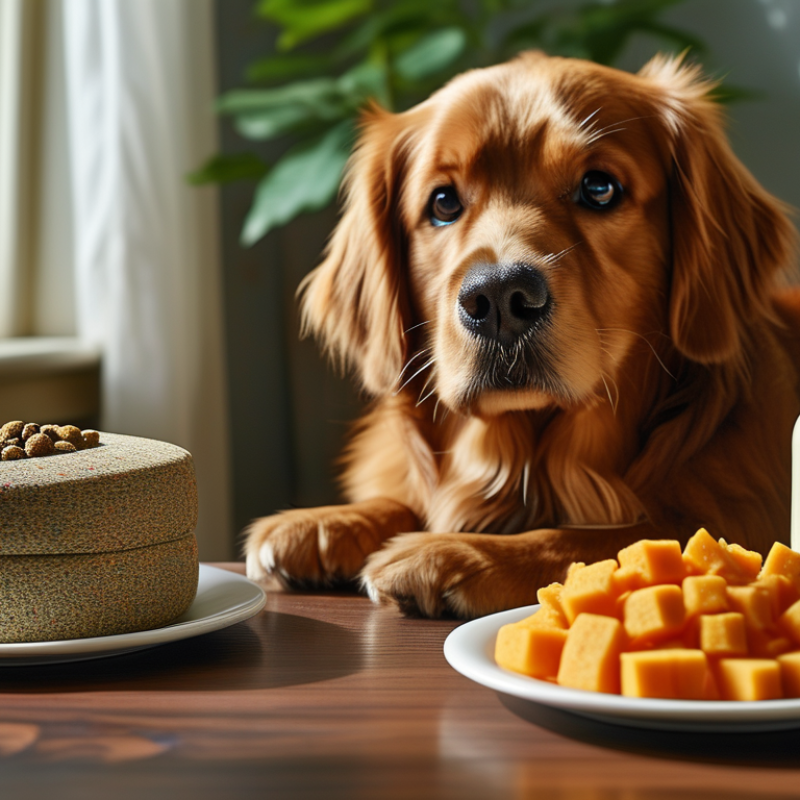
Why Does Pet Food Smell Different in 2026

Factors Influencing Changes in Pet Food Formulations by 2026

As we move into 2026, pet food formulations are evolving significantly. Various factors are driving these changes, including pet health awareness and sustainability concerns. According to a report by the Association of American Feed Control Officials, consumers are increasingly seeking products with natural ingredients. This shift is influenced by pet owners prioritizing health, leading to a rise in demand for fresh, high-quality proteins.

Additionally, the pet food industry faces challenges related to climate change. A report from the Pet Food Manufacturers Association highlights the need for innovative ingredient sources. Companies are exploring protein alternatives, such as insect meal or lab-grown meats, to reduce carbon footprints. These innovations not only impact nutritional profiles but also change the scent of pet food. Animal proteins and their by-products often carry stronger odors compared to these modern alternatives.

Moreover, the regulatory landscape is evolving. New guidelines are emerging, emphasizing transparency and ingredient sourcing. A study from Market Research Future notes that 65% of pet owners are willing to pay more for ethically sourced products. As regulations tighten, manufacturers are reformulating their products. The result is a broader spectrum of aromas and flavors in pet food formulations, reflecting both environmental consciousness and evolving consumer preferences.

Why Does Pet Food Smell Different in 2026 - Factors Influencing Changes in Pet Food Formulations by 2026

Factor Description Impact on Smell Percentage Change (%)
Ingredient Sourcing Shift towards sustainable and organic ingredients. More natural scents. +15
Production Methods Adoption of cold processing techniques. Preserves aroma of ingredients. +10
Flavoring Agents Increased use of natural flavor enhancers. Enhanced appealing smell. +20
Regulatory Changes New regulations on artificial additives. Reduction in synthetic odors. -25
Consumer Preferences Demand for cleaner labels and healthier options. Shift towards fresher smells. +18

Impact of New Ingredients and Flavorings on Pet Food Aroma

The pet food industry is undergoing a significant transformation in 2026, driven largely by new ingredients and flavorings. Recent data from the Pet Food Institute indicates that over 40% of pet food products now incorporate novel proteins and plant-based ingredients. This revolution not only changes the nutritional profile but also impacts the aroma of pet food. The distinct smell that pet owners experience is often linked to these innovative flavorings designed to attract both pets and their owners.

A study published in the Journal of Animal Feed Research found that the introduction of higher-quality ingredients led to a 30% increase in the satisfaction levels reported by pet owners. These ingredients tend to emit more complex and appealing aromas. However, not all changes received universal acclaim. Some owners noted that stronger scents can sometimes be overwhelming, prompting reconsideration of formulae that overemphasize aroma enhancement.

Tip: When selecting pet food, consider the smell. A more pleasant aroma can indicate higher quality ingredients.

Additionally, pet food manufacturers have started to experiment with sensory evaluation, ensuring that both pets and owners enjoy the final product. However, fluctuating preferences can pose a challenge. One survey indicated that 25% of pet owners prefer traditional formulations. It's essential to balance innovation with familiar scents that pets find comforting.

Tip: Pay attention to your pet’s reaction to new foods. Changes in aroma can influence their eating habits.

Advancements in Food Preservation Techniques Affecting Smell

In 2026, advancements in food preservation technologies have transformed how pet food smells. With new methods like high-pressure processing and advanced freeze-drying, pet food manufacturers can better lock in nutrients and reduce spoilage. These techniques create a more appealing aroma for pets and their owners alike.

Interestingly, while the smell is often more pleasant, it can vary by batch. Not all preservation methods yield the same scent profile. Some pets may react differently to the smell of their food. This can lead to confusion among pet owners who notice changes in their pets' appetite or preferences.

Furthermore, the introduction of natural preservatives adds a layer of complexity. Ingredients that were once deemed unacceptable are now part of the formula. This evolution raises questions about consistency. The ideal scent for pet food remains subjective. What is appealing for one pet may not work for another. As we adapt to these changes, understanding our pets' preferences remains essential.

Consumer Preferences and Demands Shaping Pet Food Scents

In 2026, pet food scents are evolving to meet changing consumer preferences. Many pet owners now seek healthier, natural options for their furry friends. This shift influences the formulation of pet food scents, often derived from real ingredients. Instead of artificial flavors, manufacturers are using herbs and spices to enhance aromas. For example, the inclusion of turmeric and rosemary not only adds scent but also promotes health.

However, this new trend raises questions about the balance between scent and palatability. Some pet owners report that even natural scents can be overwhelming. The challenge lies in creating a pleasant experience for both pets and their humans. Not every food must be aromatic; some pets prefer milder scents. The industry must adapt to diverse pet preferences while ensuring quality.

Feedback from consumers is crucial in this evolving landscape. Manufacturers are increasingly capturing opinions through surveys and social media. Not all responses are positive. Some feel that the strong aromas are too intense. Listening to these voices promotes improvements and innovation. Engaging with pet owners is essential for creating products that truly resonate with their needs.

Regulatory Changes and Their Effects on Pet Food Manufacturing Processes

In 2026, pet food is experiencing notable changes, primarily due to recent regulatory updates. These changes influence the manufacturing process, leading to distinct odors. The Association of American Feed Control Officials (AAFCO) indicates that new regulations emphasize the quality of ingredients. This shift has led to innovation but also introduced variability in the final product's aroma.

Handling raw materials differently can alter a product's smell. For instance, a focus on natural ingredients, as reported by the Pet Food Institute, shows that up to 45% of pet owners prefer food with minimal processing. This new trend affects how companies formulate their recipes. They are now adopting practices that prioritize freshness, which can result in a more pungent smell.

**Tip:** Always check ingredient lists for quality indicators. Fresh, recognizable ingredients often signal better nutrition.

Moreover, these manufacturing process adjustments can lead to inconsistencies. Some manufacturers might still rely on outdated practices, producing food that may not meet new standards. This creates a credibility issue for consumers. Pet owners are left reflecting on the balance between new regulations and food quality.

**Tip:** Pay attention to product reviews. They can provide insights into how changes are impacting smell and overall quality.

Navigating the pet food market in this evolving landscape demands diligence. Shifting regulations call for a reassessment of how we perceive quality and freshness in pet foods.

FAQS

: What factors are changing pet food formulations by 2026?

: Health awareness and sustainability concerns are driving changes in pet food formulations.

How are consumers influencing pet food ingredients?

Many consumers prefer natural ingredients, leading to higher demand for fresh proteins in pet food.

What challenges does the pet food industry face?

Climate change is a significant challenge. Innovations like insect meal are being explored as alternatives.

How do new ingredients impact the aroma of pet food?

Novel proteins and plant-based ingredients lead to more complex and appealing aromas in pet food.

What do pet owners think about stronger scents in pet food?

Some pet owners find stronger scents overwhelming, prompting reconsideration of overly aromatic formulas.

What is the trend regarding natural scents in pet food?

Manufacturers now use herbs and spices, like turmeric, to create healthier and more natural aromas.

Are all pets responsive to aromatic foods?

Not all pets prefer strong scents; some may favor milder aromas for a more comfortable eating experience.

How important is consumer feedback in pet food development?

Consumer feedback is crucial, as it guides manufacturers in improving flavors and aromas to meet preferences.

What has been the response to changing scent profiles in pet food?

Responses vary; some owners love new aromas, while others find them too intense for their pets.

How can pet owners assess the quality of pet food?

A pleasant aroma often indicates higher quality ingredients, so pay attention to the smell when selecting food.

Conclusion

As we look ahead to 2026, the question arises: "why does pet food smell different sometimes?" Several factors contribute to these changes in aroma, starting with the evolving formulations of pet food. New ingredients and flavorings are often introduced to enhance taste and appeal, leading to distinct scents that differ from traditional products. Additionally, advancements in food preservation techniques play a vital role in altering the smell, ensuring freshness while maintaining quality.

Consumer preferences are also a significant driving force, as pet owners increasingly seek foods that align with their pets' health and diet needs, thereby influencing the scent profile of pet foods. Furthermore, regulatory changes in manufacturing processes ensure that pet food not only meets safety standards but also caters to the evolving tastes of pets and their owners. Together, these factors contribute to the diverse range of aromas in pet food products by 2026.

Mason

Mason

Mason is a seasoned marketing professional with a deep expertise in the company's offerings and a passion for driving brand awareness. With a strong background in digital marketing strategies, he has an innate ability to connect with diverse audiences and effectively communicate product benefits.......