Is Raw Pet Food Safe for Dogs and Cats Best Guide 2026?

Time:2026-06-10 Author:Mason
0%

The growing interest in raw pet food has led many pet owners to question, "Is raw pet food safe for dogs and cats?" According to a 2022 report by the Association of American Feed Control Officials, approximately 30% of pet owners have tried raw diets. This shift reflects a desire for nourishing options, but concerns persist about food safety and nutritional adequacy.

Research indicates that raw diets can carry bacteria such as Salmonella and E. coli, potentially endangering both pets and humans. In a study by the Pet Food Industry Association, 65% of veterinarians expressed reservations about raw feeding due to these risks. It's essential to balance the potential benefits of raw food, like improved coat health and increased energy, against these challenges.

While many anecdotal reports highlight positive outcomes, the scientific consensus remains cautious. Pet owners should ask critical questions and seek advice from veterinary professionals. Evaluating the quality of raw food and understanding proper handling techniques is vital. Ultimately, pet owners must weigh the allure of raw diets with informed choices for their pets’ health and safety.
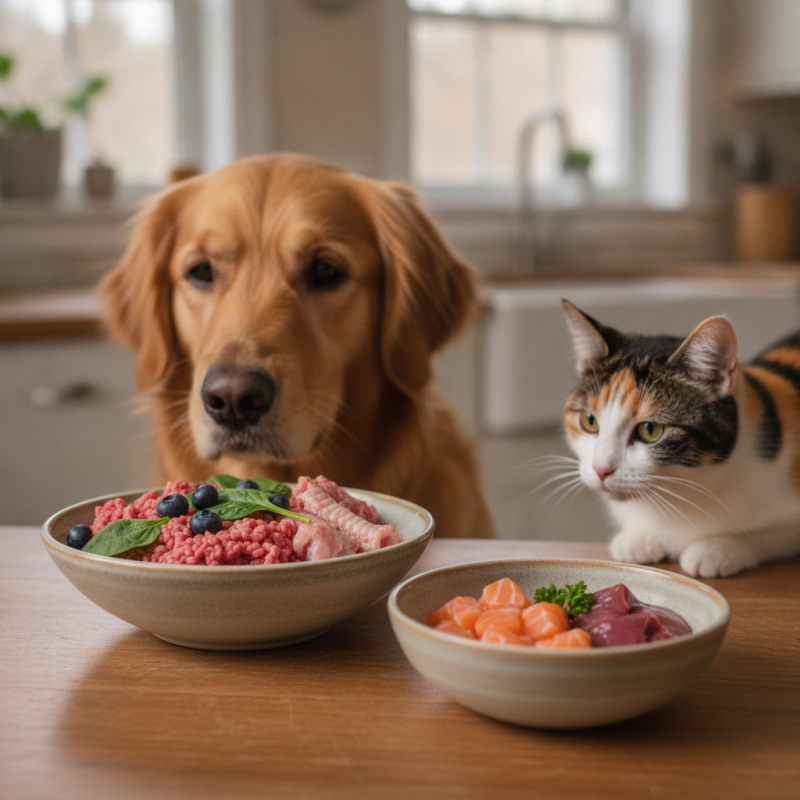
Is Raw Pet Food Safe for Dogs and Cats Best Guide 2026?

Understanding Raw Pet Food: Definition and Types

Raw pet food has gained popularity among pet owners. It often consists of uncooked meat, bones, and organ meats. Understanding the different types helps in making informed choices for pets. There are mainly three categories: raw meat diets, raw meaty bones, and whole prey diets. Each type has its own advantages and concerns, making it essential for pet owners to consider their pets’ needs.

Raw meat diets primarily focus on muscle meat, providing essential proteins. Raw meaty bones are crucial for dental health, but care is needed to prevent choking. Whole prey diets aim to mimic the natural feeding habits of animals. However, some owners may overlook the balance of nutrients. A diet lacking in variety can lead to deficiencies.

Choosing the right raw food requires research and professional advice. Not every pet will thrive on the same diet. Regular veterinary check-ups can help monitor health. It’s vital to stay informed about potential risks, such as bacterial contamination. Embracing raw pet food involves thoughtful consideration of your pet's individual requirements and safety measure.

Potential Benefits of Feeding Raw Food to Dogs and Cats

Feeding raw food to dogs and cats can offer several potential benefits. Many pet owners report improved coat condition and increased energy levels. The natural ingredients often lead to better digestion. This can reduce issues like gas and bloating, which are common in pets that consume processed foods. A raw diet typically consists of meats, bones, and occasionally fruits or vegetables. These foods are nutrient-dense, which can enhance overall health.

However, there are considerations. Not every pet thrives on raw food. Some might experience sensitivities or allergic reactions. It's essential for pet owners to monitor their pets closely after introducing raw diets. Not all raw meats are created equal. The source and quality matter significantly. Ensuring proper handling and storage is crucial to avoid foodborne illnesses. Pet owners should consult with veterinarians before making drastic dietary changes.

While many pets benefit from raw diets, challenges exist. Transitioning from kibble to raw must be done gradually to prevent digestive upset. Some pets may refuse to eat raw food entirely. A balanced diet is vital to avoid nutritional deficiencies. The variety in meats and supplements should be considered carefully. Understanding each pet's unique needs is essential in this journey.

Health Risks Associated with Raw Pet Food Consumption

Raw pet food diets have gained popularity among pet owners. However, these diets come with significant health risks. According to the Centers for Disease Control and Prevention (CDC), raw pet food can harbor dangerous pathogens like Salmonella and E. coli. These bacteria pose risks not only to pets but also to humans, especially children and the elderly. A study showed that approximately 60% of raw diets tested positive for harmful bacteria.

Feeding pets raw foods may lead to nutritional deficiencies. A report from the Association of American Feed Control Officials (AAFCO) noted that many homemade raw diets lack essential vitamins and minerals. Such deficiencies can lead to serious health issues, including bone problems and impaired immune function. Pet owners may unknowingly put their pets at risk when opting for unbalanced diets.

While some may argue that raw feeding mimics natural diets, the risks often outweigh the benefits. Pets have different nutritional needs than wild animals. Additionally, the potential for contamination raises valid concerns. Awareness and caution are paramount. Regular veterinary check-ups can help monitor pets’ health, ensuring safe, balanced nutrition.

Best Practices for Handling and Preparing Raw Pet Food

Handling and preparing raw pet food requires careful attention. Start with clean surfaces. Bacteria can thrive in contaminated areas. Use hot, soapy water to clean countertops and utensils. Consider using separate cutting boards for raw meat. This reduces the risk of cross-contamination.

Thawing raw food safely is crucial. Avoid leaving it at room temperature. Instead, thaw it in the refrigerator. This keeps harmful bacteria at bay. When preparing meals, wear gloves. It adds a layer of protection. After handling raw food, wash your hands thoroughly.

Storing raw pet food should be done correctly. Use airtight containers to prevent spoilage. Label containers with dates to track freshness. If you notice any foul smell or discoloration, discard it. Always reflect on your practices. Cooking for pets can feel overwhelming. But consistency in handling techniques leads to better safety.

Consulting Your Veterinarian: When to Consider a Raw Diet

When considering a raw diet for your pet, consulting your veterinarian is crucial. A raw diet can provide many nutritional benefits, but it also poses risks. Your vet can help assess your pet’s individual health needs. This is especially important for pets with pre-existing health conditions.

Raw diets may not be suitable for every dog or cat. Some pets may have sensitive stomachs, making raw food a potential trigger for gastrointestinal issues. Additionally, raw proteins can introduce harmful bacteria if not handled properly. Your veterinarian can guide you on safe food handling practices to ensure your pet’s health.

Remember, a raw food diet requires careful planning. You need to ensure a balanced mix of nutrients. Sometimes, it may be hard to achieve the right balance. Regular check-ups can help monitor your pet’s health. This allows for adjustments based on their response to the diet. Always prioritize your pet’s well-being over dietary trends.

FAQS

: What are the potential benefits of feeding raw food to pets?

: Raw food may improve coat condition and increase energy levels. It often leads to better digestion as well.

What types of food are typically included in a raw diet?

A raw diet usually consists of meats, bones, and sometimes fruits or vegetables.

Can all pets adapt well to a raw food diet?

Not every pet thrives on raw food. Some might have sensitivities or allergic reactions.

How should I introduce raw food into my pet's diet?

Transitioning should be gradual. Sudden changes may lead to digestive upset for some pets.

What are best practices for handling raw pet food?

Clean surfaces thoroughly and use separate cutting boards for raw meat to avoid contamination.

How should I safely thaw raw food?

Thaw raw food in the refrigerator instead of at room temperature to prevent harmful bacteria growth.

What should I do if I notice spoilage in raw pet food?

Discard any food that has a foul smell or discoloration. Safety is important to prevent health issues.

Why is it crucial to monitor my pet after introducing raw food?

Monitoring helps identify any sensitivities or reactions that may indicate the diet isn't suitable.

Is a balanced diet important when feeding raw food?

Yes, a balanced diet is vital to prevent nutritional deficiencies. Variety in meats and supplements is necessary.

How can I ensure better safety when preparing raw food?

Consistency in handling techniques, like wearing gloves and washing hands, leads to better food safety practices.

Conclusion

The article "Is Raw Pet Food Safe for Dogs and Cats Best Guide 2026?" provides an in-depth exploration of raw pet food, discussing its definition, types, and the potential benefits it offers for dogs and cats. It highlights the appeal of a raw diet, which is believed by some to improve pets' overall health, coat condition, and energy levels. However, the article does not shy away from addressing the significant health risks associated with feeding pets raw food, including bacterial infections and nutritional imbalances.

Best practices for handling and preparing raw pet food are outlined to mitigate these risks, emphasizing hygiene and careful sourcing of ingredients. The importance of consulting with a veterinarian is also stressed, particularly when considering a transition to a raw diet. Ultimately, the article addresses the critical question: "is raw pet food safe for dogs and cats?" and encourages pet owners to weigh the pros and cons carefully while seeking professional guidance.

Mason

Mason

Mason is a seasoned marketing professional with a deep expertise in the company's offerings and a passion for driving brand awareness. With a strong background in digital marketing strategies, he has an innate ability to connect with diverse audiences and effectively communicate product benefits.......