Proper storage of pet food is crucial, especially when preparing for significant events like the 139th Canton Fair. Experts in pet nutrition, such as Dr. Sarah Willingham, emphasize, "How you store pet food can significantly impact its freshness and nutritional value." Ensuring the right conditions can prevent spoilage and waste, making it essential for suppliers and retailers to understand effective storage methods.
During the Canton Fair, showcasing quality pet food involves discussing proper storage techniques. Maintaining a cool, dry environment is important, yet many overlook this. Sealed, airtight containers can protect against moisture and pests. However, not everyone has access to ideal storage conditions.
There are challenges in this industry. Some suppliers may find it hard to ensure consistency in storage practices. If products are not stored correctly, quality diminishes. Failing to address these issues can hurt business reputation and customer satisfaction. Reflecting on these factors is vital for success in the competitive pet food market.
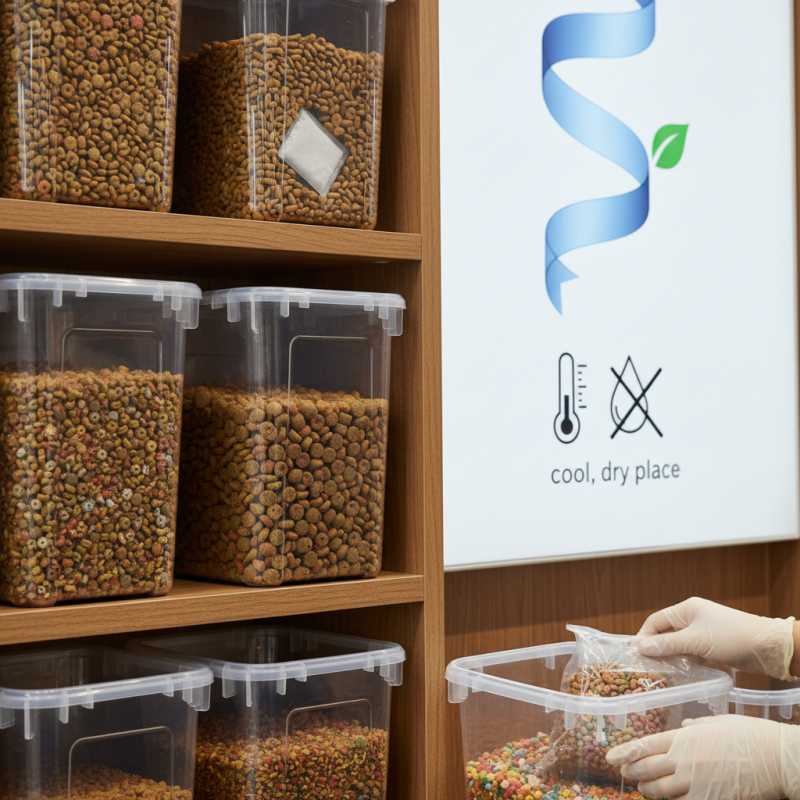
Proper storage of pet food is vital for maintaining its quality and safety. According to the American Pet Products Association, nearly 70% of pet owners lack knowledge about the ideal storage methods for their pet food. This can lead to spoilage, loss of nutrients, and even health risks for pets. Failing to store food correctly can result in a short shelf life. This is especially important during large events like the 139th Canton Fair, where bulk purchasing is common.
Moisture and heat can degrade pet food rapidly. A study by the Pet Food Institute reveals that improper storage can lead to mold and mycotoxin growth, which can be harmful, even deadly. Containers should be airtight, cool, and dark. Using clear labeling can help in tracking the expiration date. However, many retailers neglect these basic practices.
In conclusion, understanding storage is not just about convenience; it's a matter of pet health. Too often, we overlook these details. Many pet owners store food in their original packages, exposing it to air and potential contamination. Even during busy times, investment in proper storage solutions can make a significant difference in the long run.
: Proper storage maintains food quality and safety. It prevents spoilage, nutrient loss, and health risks for pets.
Improper storage can lead to mold and mycotoxin growth. This can be harmful and even deadly to pets.
Use airtight containers to keep moisture out. Clear bins help you see contents easily and track restocking needs.
Regular cleaning prevents mold and bacteria growth. A quick rinse isn't enough; use hot, soapy water instead.
Refresh your supplies every year to maintain quality. This helps ensure food safety and prolongs shelf life.
Food-grade materials are ideal. Plastic is common, but glass offers a stylish alternative for storage.
Heat can degrade pet food quickly. Store it in a cool, dark place to maintain its freshness and safety.
Consider the size of your pets’ food bags. Smaller pets need smaller containers, while larger breeds may need bulk options.
Many owners store food in original packages, exposing it to air and contamination, which compromises safety.
Use clear labeling on containers. It helps keep track of when to use the food and when to restock.
Proper storage of pet food is essential for maintaining its quality and safety, especially in preparation for events like the 139th Canton Fair. Understanding how to store pet food properly is vital in preventing spoilage and ensuring that pets receive the best nutrition. Choosing the right containers, preferably airtight and made of safe materials, significantly contributes to preserving the freshness of the food. Additionally, optimal storage conditions—such as a cool, dry environment—play a crucial role in preventing contamination and degradation.
Awareness of common mistakes, like storing pet food in unsuitable locations or neglecting cleanliness, can help avoid problems. Regularly maintaining hygiene in pet food storage areas is also important to prevent pests and contamination. By following these guidelines, pet owners can ensure that their furry friends enjoy high-quality food that's stored in the best conditions possible.

 Petra Pet