How to Switch Pet Food Without Causing Stomach Issues?

Time:2026-05-22 Author:Ethan
0%

Changing your pet’s diet can be a daunting task. You may worry about stomach issues that arise from a sudden transition. Understanding how to switch pet food without causing issues is crucial for your pet's health. Pets can be sensitive to dietary changes. A careful approach can prevent digestive upset.

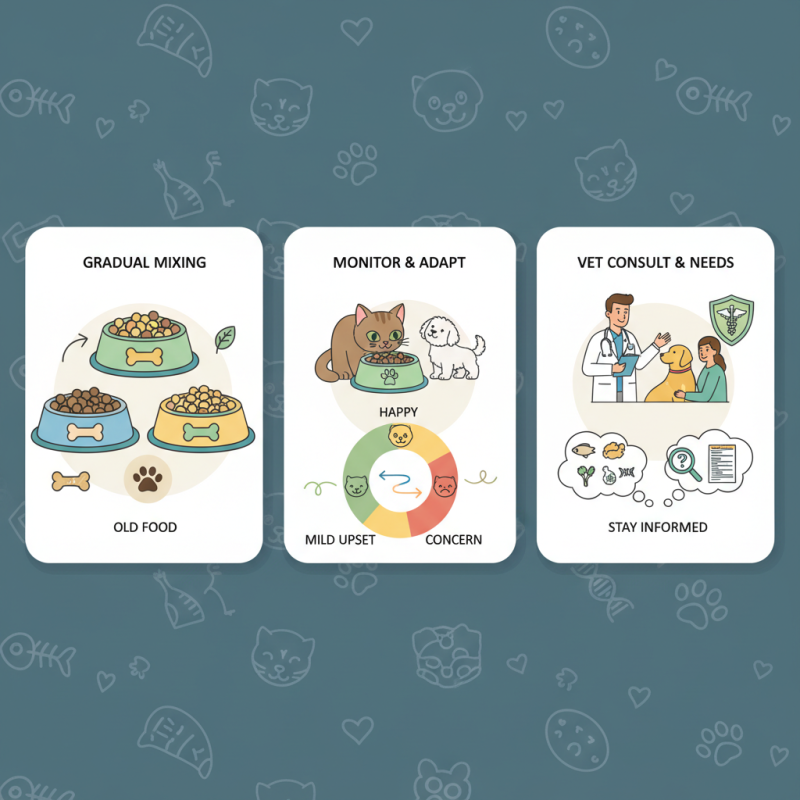
Start by gradually mixing the new food with the old one. This method helps your pet adjust without discomfort. Monitor their reactions closely during this transition. Some pets may experience mild upset initially. This doesn't always indicate a problem. Allowing them time to adapt is essential.

Consider your pet's specific needs. Each animal has unique dietary requirements. Consulting your veterinarian provides valuable guidance. It's important that you stay informed about suitable options. This ensures your pet receives the necessary nutrients while minimizing risks. Transitioning pet food is not always perfect. Mistakes can happen, so be prepared to adjust your plan accordingly.
How to Switch Pet Food Without Causing Stomach Issues?

Understanding Your Pet's Dietary Needs

Switching pet food can be a delicate process. Understanding your pet's dietary needs is crucial to avoid stomach issues. Pets often respond differently to various ingredients. Knowing these differences helps in making better choices.

Pets can have specific nutritional requirements based on age, size, and health. For instance, puppies may need more protein and fat than older dogs. Cats often require a diet high in protein. Observing their reactions to new foods provides vital information.

Some pets may handle changes easily, while others show signs of distress. Introduce new food gradually. Mixing small amounts with the current food allows pets to adjust. Watch for symptoms like vomiting or diarrhea.

These can indicate allergies or intolerances. Consider consulting a veterinarian for personalized advice. Your pet's health is paramount. Attention to their needs fosters better well-being and harmony.

Choosing the Right Time for Food Transition

Transitioning your pet's food can be a tricky process. Timing is everything. You want to choose a period when your pet is least stressed. Avoid transitions during other changes, like moving or changes in routine. This helps to minimize disruptions.

Start with a gradual introduction of the new food. Mix a small amount of the new food with the old for several days. Slowly increase the new food's portion while decreasing the old food. Monitor your pet closely for any signs of discomfort. Some pets may experience slight digestive upset. If this occurs, slow down the transition.

**Tips:** Always consult with your veterinarian before switching foods. They can recommend the best approach based on individual needs. Keep an eye on your pet's stools and behavior during the transition. Note any changes, as they can provide insights about your pet's well-being. Adjust your pace if necessary. Sometimes our pets' reactions require patience and time to adapt.

How to Switch Pet Food Without Causing Stomach Issues

This chart illustrates the ideal duration for transitioning pet food and the percentage of pet owners who reported stomach issues based on the duration of the transition.

Gradual Transition Techniques for Pet Food Change

Changing your pet’s food can be tricky. A sudden switch may lead to stomach problems like diarrhea or vomiting. To avoid these issues, a gradual transition is vital. Gradual changes allow your pet’s digestive system to adjust to new ingredients.


Start with a mix of the old and new food. Use a ratio of 25% new food and 75% old food for the first few days. Over time, increase the new food to 50%, then to 75%, and finally, 100%. This process may take a week or more. Monitor your pet closely during this transition. Look for signs of discomfort or an upset stomach. If issues arise, slow down the process.


Consistency in feeding times helps, too. Keep the same schedule while changing food. It provides stability for your pet. Be patient; not all pets adjust at the same pace. If your pet refuses the new food, don’t force it. Maybe it’s the texture or flavor they dislike. Take the hint and try something different. Transitioning food isn’t always perfect, and that’s okay. Listen to your pet, and adjust as necessary.

Monitoring Your Pet's Response to New Food

When switching your pet's food, monitoring their response is crucial. Changes to diet can upset their stomach. Studies show that around 30% of pets experience digestive issues during a transition. Observing your pet closely helps identify any problems early.

Start by introducing the new food gradually. Mix 25% of the new food with 75% of the old food for a few days. Gradually increase the new food to 50% after a week. This slow approach minimizes digestive upset. Watch for signs of distress such as vomiting, diarrhea, or reduced appetite. Experts recommend keeping a log of your pet's behavior and health during this transition.

Keep in mind that every pet is unique. Some may adjust quickly, while others take longer. If your pet shows distress, reevaluate your approach. It’s important to remain patient and responsive to their needs. Monitoring can reveal insights into your pet’s health beyond just food preferences. Consider consulting a veterinarian if issues persist after a few weeks. Your observations are key to ensuring a smooth dietary change.

Signs of Digestive Issues During Food Transition

Switching pet food can be a daunting task for pet owners. Signs of digestive issues often appear during this transition. Common symptoms include diarrhea, vomiting, and changes in appetite. According to a 2021 study published in the Journal of Animal Science, nearly 30% of pets experience gastrointestinal disturbances when their diet is abruptly altered.

Monitoring your pet's behavior is essential. If your pet starts experiencing loose stools or flatulence, this may indicate an intolerance to the new food. A gradual transition is recommended to minimize these issues. The American Association of Feed Control Officials suggests mixing 25% of the new food with 75% of the old food for the first few days. Then, increase the new food ratio gradually.

Be vigilant for other signs too. Watch for lethargy or excessive scratching, which could indicate allergies. Observing your pet’s behavior and bowel movements can provide critical insights. Implementing slow transitions and seeking help from a veterinarian can enhance your pet’s digestive health during these changes.

FAQS

: How can I help my pet adjust to new food?

: Introduce the new food gradually by mixing it with the old food. Start with 25% new food.

What symptoms indicate a problem with new food?

Watch for vomiting, diarrhea, or changes in appetite. These often signal digestive issues.

How long does it take for pets to adjust to new food?

Every pet is unique. Some adjust quickly, while others may take longer. Patience is key.

What should I do if my pet shows signs of distress?

If your pet experiences issues, reevaluate your food transition approach. Consider reducing new food intake.

Is it necessary to consult a veterinarian during food transition?

Yes, if issues persist after a few weeks, consult a veterinarian for guidance. Your observations matter.

How can I track my pet's response to new food?

Keeping a log of your pet’s behavior and health is helpful. Note any changes in appetite or mood.

What additional signs should I look for during the transition?

Look for lethargy or excessive scratching, as these can indicate allergies or food intolerance.

Why is a gradual transition important?

A gradual transition helps minimize digestive upset and allows your pet to adjust effectively.

What if my pet has loose stools with the new food?

Loose stools may indicate intolerance. Consider mixing less new food or switching back temporarily.

Can digestive issues reveal more than food preferences?

Yes, monitoring can provide insights into your pet’s overall health and well-being.

Conclusion

Switching your pet's food can be a delicate process, and understanding how to switch pet food without causing issues is essential for a smooth transition. First, it's important to assess your pet's dietary needs, considering factors such as age, health, and activity level. Choose the right time for the transition, ideally when your pet is healthy and not experiencing stress. Gradually introducing the new food over a week or so, by mixing it with the old food, helps ease your pet's digestive system into the change.

Monitoring your pet's response to the new food is crucial; look for any signs of digestive issues such as vomiting or diarrhea. If these occur, slow down the transition process. Pay attention to your pet's overall health and comfort to ensure they adjust well to the new diet, allowing them to thrive and maintain a happy, healthy lifestyle.

Ethan

Ethan

Ethan is a seasoned marketing professional with a deep expertise in our company's innovative product line. With a passion for sharing knowledge and insights, he takes the lead in regularly updating our corporate blog, where he explores industry trends, product features, and effective marketing......