Top Foods That Help Pets Lose Weight?

Time:2026-10-14 Author:Amelia
0%

Choosing the right food can make weight loss safer, clearer, and more realistic for pets. Yet many owners ask, “what food helps pets lose weight?” The answer depends on species, age, activity, medical history, and current body condition. A heavy Labrador may need a different plan from an overweight indoor cat. The food bowl cannot tell the whole story.

Veterinarian Dr. Ernie Ward, founder of the Association for Pet Obesity Prevention, has said, “Obesity is the most common preventable disease in dogs and cats.” His warning matters because excess weight can strain joints, reduce stamina, and increase health risks. This guide will examine protein-rich diets, controlled calories, fiber, moisture, and lower-calorie treats. It will also explain why measured portions matter more than attractive packaging.

Small changes can become visible at home. A kitchen scale can replace a crowded measuring cup. A lean dog may walk more comfortably across the kitchen floor. A cat may climb the sofa without pausing halfway. These details are encouraging, but progress should remain gradual. Rapid restriction can create new problems.

There is no magical ingredient.

Some weight-loss foods may suit one pet but upset another’s stomach. Veterinary guidance is essential, especially for pets with diabetes, kidney disease, or other conditions. We will compare practical choices, question popular assumptions, and acknowledge where evidence remains limited. A useful plan should fit the pet, the household budget, and the owner’s ability to follow it every day.
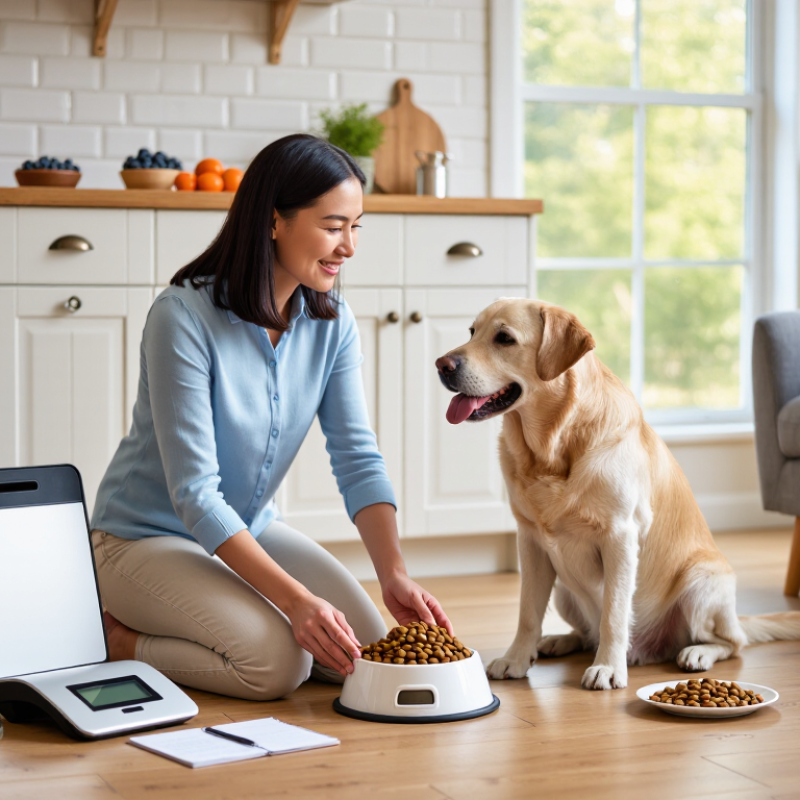
Top Foods That Help Pets Lose Weight?

Understanding Healthy Weight Loss in Pets

Healthy weight loss in pets begins with a measured plan, not a sudden food restriction. In my experience, pets often gain weight through small extras: table scraps, oversized portions, or treats given during training. A veterinarian can assess body condition, muscle mass, age, and medical risks before recommending calorie changes. Rapid weight loss may weaken muscles or hide an underlying illness.

Some foods can support a balanced plan when served in controlled amounts. Cooked pumpkin, green beans, cucumber, and small pieces of carrot provide texture and fewer calories. Lean, plain protein may help maintain muscle, but it should fit the pet’s complete diet.

Avoid seasoned foods, cooked bones, onions, garlic, grapes, raisins, chocolate, and foods containing artificial sweeteners. Water should remain available throughout the day.

Measure meals with a kitchen scale rather than guessing with a cup. A pet may still beg. Begging is not proof of hunger. Track body weight every one or two weeks, using the same scale when possible. A safe rate depends on species, size, health, and starting weight, so professional monitoring matters. I have sometimes mistaken a pet’s quiet behavior for contentment; weight loss can also reflect pain or illness. That reminder matters. If appetite, thirst, energy, stool, or breathing changes, contact a veterinarian promptly. Adjustments should be gradual, observable, and based on evidence rather than guilt.

Choosing Lean Proteins for Better Satiety

Choosing Lean Proteins for Better Satiety

Pet obesity is common, not occasional. The Association for Pet Obesity Prevention reported that 59% of dogs and 61% of cats were overweight or obese in its 2022 survey. Lean protein may help control hunger while protecting muscle during weight loss. However, protein alone cannot offset excessive calories.

For dogs, plain cooked turkey, skinless chicken, white fish, and lean beef can provide useful protein. Remove bones, skin, oils, and seasoning. Cats need animal-based protein because they are obligate carnivores. Still, treats and toppers should remain limited. The AAHA 2021 Nutrition and Weight Management Guidelines emphasize calorie control, measured portions, and maintaining lean body mass.

Protein is not magic.

In practical feeding, I would start with a veterinary body-condition assessment. WSAVA nutrition guidance recommends evaluating body condition, muscle condition, activity, and health status together. A lean-protein meal may seem filling, but fatty cuts can quietly add calories. Homemade additions can also dilute essential nutrients in a complete diet. That mistake is easy to make. Weigh portions with a kitchen scale, then monitor waist shape and ribs every two weeks. If weight does not change, reassess portions with a veterinarian rather than simply adding more protein. Some pets also react poorly to sudden dietary changes, so gradual transitions matter.

Top Foods That Help Pets Lose Weight? – Choosing Lean Proteins for Better Satiety

Protein and energy values per 100 g of cooked food

Lean foods such as cod, turkey breast, and chicken breast provide relatively high protein with fewer calories per 100 g, which may support satiety when included in a veterinarian-guided weight-management plan. Salmon and eggs also provide valuable protein but contain more calories, so portion size matters. These foods should complement a complete, balanced pet diet rather than replace it.

Data are approximate values for cooked foods based on USDA FoodData Central entries. Always consult a veterinarian before changing a pet’s diet.

Adding Fiber-Rich Vegetables Safely

Top Foods That Help Pets Lose Weight?

Adding Fiber-Rich Vegetables Safely

Excess weight affects many companion animals. The Association for Pet Obesity Prevention reported that 59% of dogs and 61% of cats were overweight or obese in its 2022 survey. Fiber-rich vegetables can add volume without many calories. Suitable choices include plain green beans, zucchini, cucumber, and small amounts of cooked pumpkin. Remove seeds, stems, and seasoning first.

Keep portions modest. Too much fiber may cause gas, loose stools, or reduced nutrient absorption. Introduce one vegetable slowly over several days. A practical approach is mixing a teaspoon into a small pet’s meal, then watching appetite and stool quality. Larger animals may tolerate more, but size alone should not determine the serving. A veterinarian should calculate daily calories, especially for pets with diabetes, kidney disease, or digestive problems.

The World Small Animal Veterinary Association recommends complete, balanced nutrition rather than relying on scattered food additions. Vegetable calories still count. The Association for Pet Obesity Prevention also emphasizes measured meals and regular weight checks. Avoid onions, garlic, grapes, raisins, and products containing xylitol. These risks are serious. The plan is not perfect. Some pets dislike vegetables, while others gain weight when “healthy” extras are added freely. Recheck body weight every two to four weeks, and adjust the full diet rather than simply removing essential food.

Selecting Low-Calorie Treats and Portion Sizes

Weight loss begins with measured portions, not a dramatic food change. The Association for Pet Obesity Prevention reported that 59% of dogs and 61% of cats were overweight or obese in its 2022 survey. That finding makes treat calories worth counting.

Choose treats with clear calorie information and simple ingredients. Small pieces of cooked carrot, green bean, or cucumber may provide texture with fewer calories, if your veterinarian approves them. Avoid guessing. A biscuit that looks tiny can still contain more calories than expected. The American Animal Hospital Association recommends keeping treats near 10% of a pet’s daily calorie intake. For a dog needing 500 calories daily, treats should provide about 50 calories. That may equal only a few small pieces.

Portion the whole day in advance. Use a kitchen scale, not a full bowl. Divide the measured food into morning and evening containers, then remove treats from those portions. I have seen owners reward every request, especially during training. The pet learns quickly. The calorie total rises quietly. Water, play, brushing, or a short sniffing walk can replace some edible rewards. Yet calorie needs vary with age, illness, activity, and sterilization status. A veterinarian should set the target and review weight every two to four weeks. Some pets lose slowly. That is not failure. Rapid restriction can create hunger, muscle loss, or poor adherence.

Creating a Balanced Feeding Plan with Veterinary Guidance

Top Foods That Help Pets Lose Weight?

Creating a Balanced Feeding Plan with Veterinary Guidance

Healthy weight loss starts with a veterinary assessment, not a sudden food change. Your veterinarian can check body condition, muscle loss, medical risks, and daily calorie needs. Lean animal protein may help preserve muscle, while measured portions of complete pet food support balanced nutrition. Moist foods can also add volume and water, but their calories still matter.

I once underestimated how quickly treats affected a pet’s daily intake. A few small bites became almost a full extra meal. Now, I measure food with a kitchen scale and record every treat. Some pets may enjoy small portions of plain, pet-safe vegetables, but these should not replace essential nutrients. Homemade diets require professional formulation. Guesswork can create deficiencies.

Tips: Ask your veterinarian for a realistic weight-loss rate. Reduce portions gradually when advised. Weigh your pet every one or two weeks. Watch for tiredness, vomiting, hunger, or muscle loss. Adjustments may be necessary. Progress is rarely perfectly steady.

FAQS

Why should pets lose weight gradually?

Sudden food restriction can weaken muscles and hide illness. A veterinarian should guide calorie changes. Slow plans are safer.

Which foods can support a pet’s weight-loss plan?

Plain green beans, zucchini, cucumber, and cooked pumpkin can add volume. Serve small portions without seasoning. Calories still count.

How should vegetables be introduced?

Add one vegetable over several days. Try one teaspoon for a small pet. Watch stool, appetite, and gas carefully.

Which foods should pets avoid?

Avoid onions, garlic, grapes, raisins, chocolate, cooked bones, and artificial sweeteners. These foods can cause serious harm. Keep them away.

How can owners measure meals accurately?

Use a kitchen scale instead of guessing with a cup. Measure every meal, including treats and table scraps.

Does begging mean a pet is hungry?

Not necessarily. Begging may reflect habit or attention-seeking. I have sometimes mistaken quiet behavior for contentment, which was not reliable.

How often should a pet’s weight be checked?

Check weight every two to four weeks. Use the same scale when possible. Record changes beside appetite and energy levels.

When should a veterinarian be contacted?

Contact a veterinarian when thirst, appetite, stool, breathing, or energy changes. Pain and illness can sometimes look like weight loss. Pay attention.

Conclusion

Healthy weight loss for pets should be gradual, consistent, and guided by their individual needs. The right question is not only “what food helps pets lose weight,” but also how much they eat and how their meals are balanced. Lean proteins can support muscle maintenance and help pets feel full, while carefully selected fiber-rich vegetables may add volume and nutrients with fewer calories. Any new food should be introduced slowly and only if it is safe for the animal.

Portion control is equally important. Low-calorie treats should be limited, measured, and included in the pet’s daily calorie allowance rather than added on top of regular meals. A balanced feeding plan should provide appropriate protein, essential nutrients, and sufficient hydration without excessive fat or calories. Because age, breed, activity level, health conditions, and current weight all affect dietary needs, pet owners should work with a veterinarian to create a safe plan and monitor progress regularly.

Amelia

Amelia

Amelia is a seasoned marketing professional with a wealth of expertise in our company’s core offerings. With an unwavering passion for driving growth and innovation, she plays a pivotal role in shaping our marketing strategies and enhancing brand visibility. A key aspect of her responsibilities......