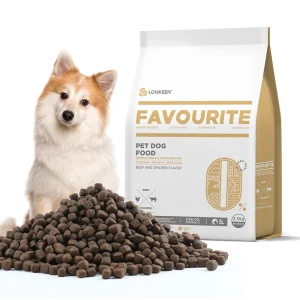
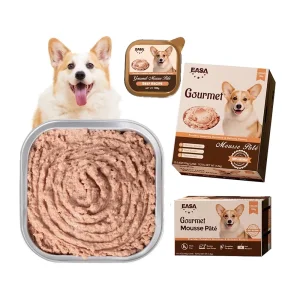
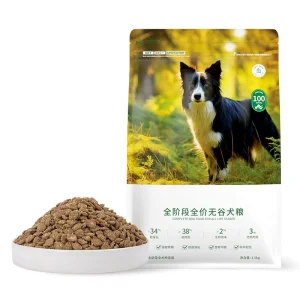
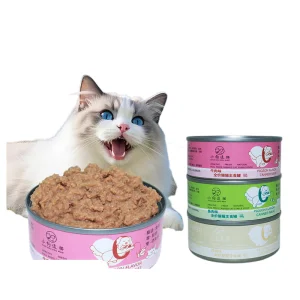
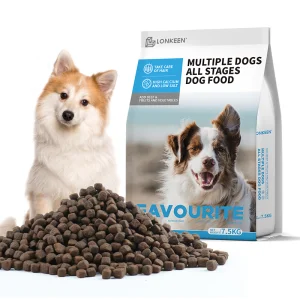
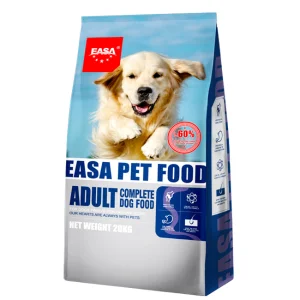
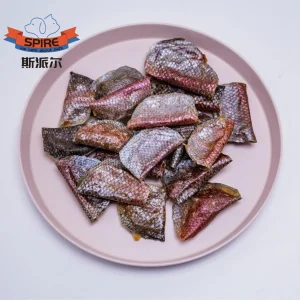
Explore our highly requested commercial solutions distributed globally across European and North American markets.
Analyzing current global metrics, shifting material demands, and the rapid rise of eco-conscious consumer segments.
North American and European markets display high demands for low-dust, lightweight clumping solutions. Consumers prioritize ammonia capture capabilities and low tracking profiles for high-density apartment living.
Biodegradable options, including tofu (soy residue), wood shavings, and paper-based litters, are experiencing a compound annual growth rate (CAGR) exceeding 8.5%. Modern supply channels are moving away from strip-mined sodium bentonite to renewable agricultural byproducts.
Regulatory agencies across the EU mandate strict compliance certificates. Having CE Certification is not merely an asset—it is a baseline necessity to cross borders, verifying zero toxic chemical emissions and chemical stability.
Why modern B2B buyers must understand the chemical and mechanical structure of premium pet hygiene substrates.
Utilizes the natural expansion properties of montmorillonite clay. When exposed to liquids, the water molecules enter the interlayer spaces of the clay mineral structure, prompting rapid expansion and dense clumping for easy mechanical separation.
Formulated from food-grade pea fiber and soy dregs. Utilizing organic food starches as natural binding agents, these biodegradable pellets form tight clumps quickly, dissolving immediately in high water volumes (making them flushable).
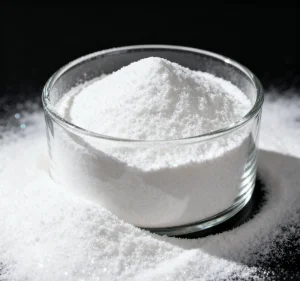
Highly porous amorphous silicon dioxide ($SiO_2$). Consisting of thousands of microscopic pores, it pulls in liquids instantly via capillary action, locking in odors and allowing moisture to evaporate while retaining volatile organic molecules inside.
Incorporates microporous carbon structures into the core matrix. These carbon filters trap volatile organic compounds (VOCs) and sulfur emissions, preventing odor migration even in multi-cat indoor environments.
How localized resource optimization and automated workflow consolidation yield unparalleled cost-to-performance advantages.
By utilizing large-scale rotary drum drying technology powered by eco-friendly natural gas systems, our processing plants maintain stable moisture levels below 8%. This guarantees a shelf life free from mold or degradation.
From raw mixing to vacuum sealing, the production process utilizes vertical form-fill-seal (VFFS) systems. Human contact is reduced to virtually zero, ensuring that organic components (such as tofu starches) are protected from airborne contaminants.
With manufacturing plants positioned near direct logistics links in Hebei and Dongguan, shipping goods to major international ports like Tianjin and Shenzhen is streamlined. This keeps bulk transportation costs to a minimum.
How our dual manufacturing facilities deliver scalable pet supply solutions worldwide.
Dongguan Petra Pet Co., Ltd. is a professional enterprise engaged in pet food research and development, production, and sales, combining healthy breeding research and dedicated pet care.
Our products are healthy, natural, and of high quality, featuring balanced animal protein and diverse dietary fibers. By incorporating fruits, vegetables, and essential vitamins, each component is scientifically formulated to support the long-term health and growth of pets. To meet the diverse demands of our global clientele, we actively gather feedback and continuously upgrade our recipes based on classical manufacturing experience.
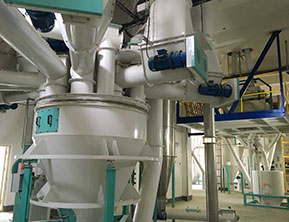
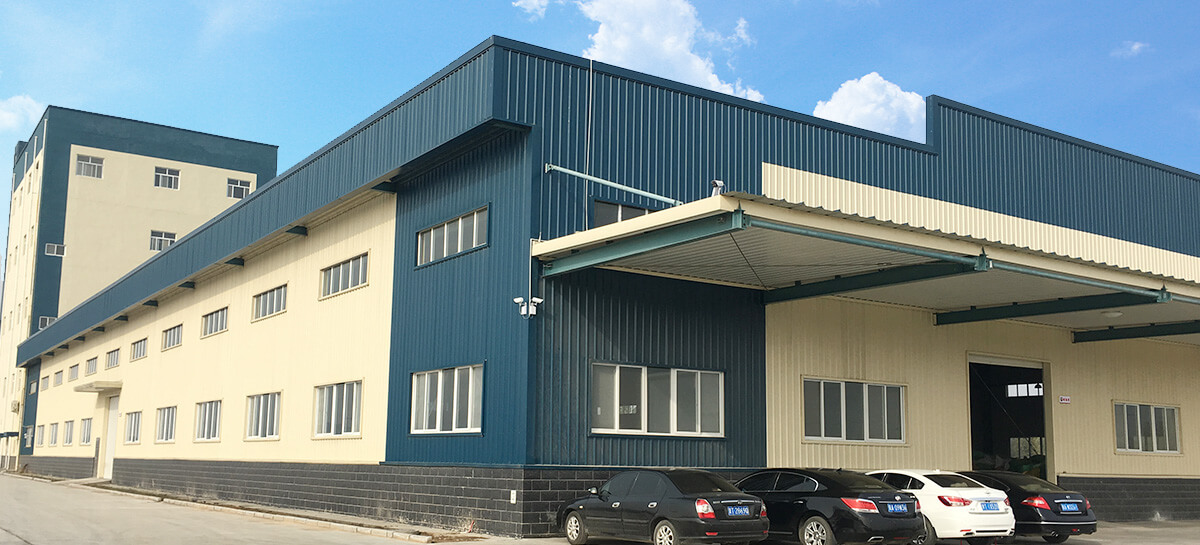
To ensure reliable high-volume production, we utilize advanced manufacturing infrastructure in cooperation with Hebei Maische Pet Food Co., Ltd.
Our factory covers an area of over 30,000 square meters, which includes more than 20,000 square meters of standardized production workshops equipped with state-of-the-art machinery. The facility maintains an annual output of up to 60,000 tons, capable of meeting the nutritional and hygiene demands of 500,000 dogs and cats a year. To guarantee the highest standards of safety and quality, we employ advanced, automated pet product manufacturing equipment.
Tailoring pet hygiene properties to the geographical, climate, and housing habits of target consumers.
Characterized by limited ventilation and close quarters. Distributors require formulations with advanced micro-porous encapsulation tech (like activated carbon core additions) and low-tracking pellets to prevent particles from being tracked onto rugs and hardwood flooring.
Tropical climates in regions like Singapore, Japan, and Southern China require litters with powerful anti-fungal properties. In these markets, moisture-resistant packaging and high-speed absorption clays prevent pre-use clumping caused by high relative humidity.
Highly receptive to natural formulations. Tofu dreg pellets, pine wood shavings, and recycled newsprint substrates are preferred. Here, products must feature completely compostable materials and zero synthetic fragrances to meet green certification standards.
The convergence of smart electronics and chemical advancements in modern pet care.
Automated rake systems require litter with uniform particle sizes. Clay and natural formulations must clod within 30 seconds and maintain structural integrity without sticking to the machine interior.
Introducing non-toxic chemical reagents that react to changes in urine pH. By changing color, these indicators help pet owners monitor early symptoms of feline lower urinary tract diseases (FLUTD).
Advanced multi-stage vacuum dedusting steps eliminate microscopic particles, preventing respiratory irritation in both cats and humans and protecting nearby smart home sensors from dust accumulation.
Key operational checkpoints for sourcing high-performing pet products at container scale.
Loose loading maximizes space in 40ft HQ containers (up to 26 metric tons), while palletization speeds up mechanical unloading at domestic distribution hubs, lowering local handling costs.
Maritime shipments cross diverse temperature zones. Multi-ply vacuum packing with interior polyethylene moisture liners ensures the product arrives dry and ready for store shelves.
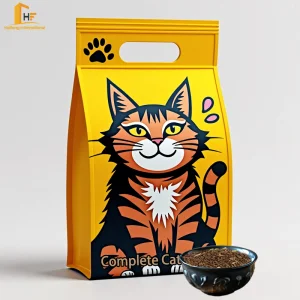
Providing options from custom brand printing on multi-walled paper bags to recyclable stand-up pouches with integrated carrying handles to help brands differentiate on shelf.
Ensure all shipments are backed by complete MSDS documentation, non-hazardous declarations, and matching CE conformity certs for seamless customs processing.
Expert technical and logistics answers for procurement managers and private label brand partners.
Discover our comprehensive range of pet ingredients, custom packaging, and hardware solutions.
 Petra Pet