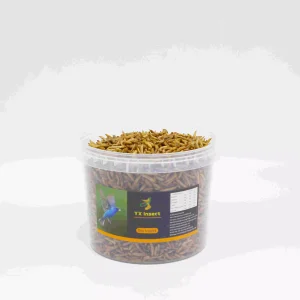
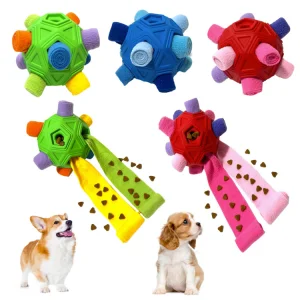
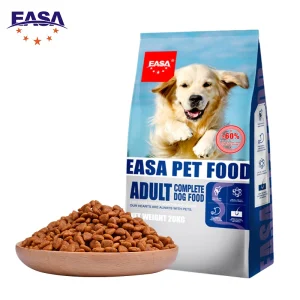
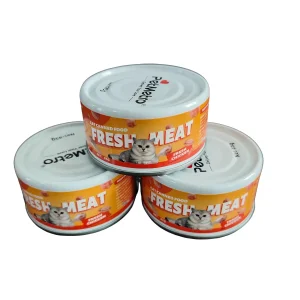
Explore our premium product range, stretching from scientific formulations to specialized pet training accessories and base ingredients.
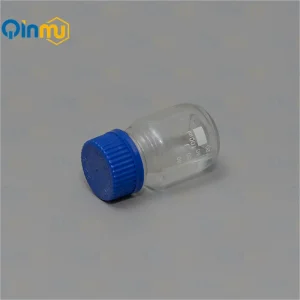
An in-depth chemical and biological analysis of molecular neutralization, digestive optimization, and global supply chain strategies.
Pet odor management is no longer merely about masking scents with heavy synthetic perfumes. Modern veterinary science and commercial pet care mandate targeted, molecular-level neutralizers. The compounds responsible for noxious pet odors include volatile sulfur organic species, ammonia ($NH_3$), trimethylamines, and short-chain fatty acids (such as isovaleric acid found in sebum). Effectively eliminating these substances requires specialized reagents that either chelate, oxidize, or biologically breakdown the volatile molecules.
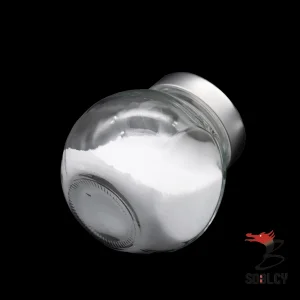
In manufacturing external sprays, developers frequently employ carrier solvents of high chemical purity and safety profiles. For instance, Organic Solvent Dibutyl Carbonate (DBC) - CAS 542-52-9 represents a crucial chemical building block and solvent intermediate. Because of its outstanding biodegradability and mild volatility, DBC is increasingly incorporated in high-end scent diffusion formulations and eco-friendly enzymatic sprays, acting as an optimal carrier that helps hydrophobic odor-counteracting compounds disperse uniformly on pet beds, carpets, and kennel surfaces without causing skin irritation to animals.
While chemical masking overlay fragrances fail when the ambient moisture rises, advanced formulations utilizing green solvents like Dibutyl Carbonate dissolve structural odor compounds directly, allowing bacteria or biological agents to digest them permanently.
A critical insight for global pet supply distributors is that external odor control starts internally. High fecal odor levels and flatulence in companion animals are direct consequences of maldigestion and fermentable substrates escaping digestion in the small intestine. This results in the production of skatole, indoles, and hydrogen sulfide in the colon.
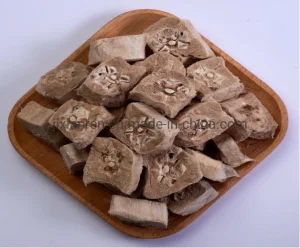
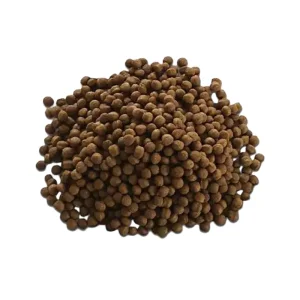
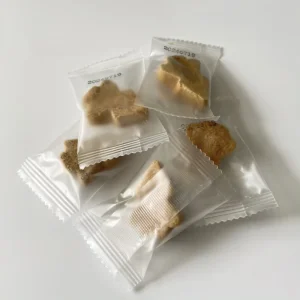
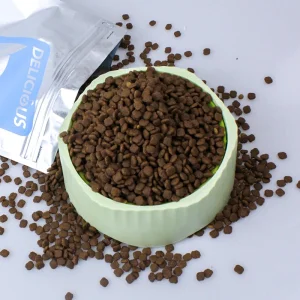
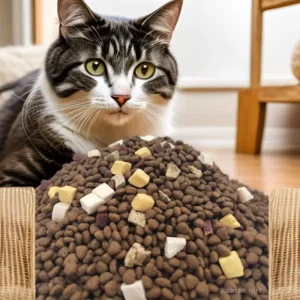
By formulating specialized pet foods featuring highly digestible proteins, such as Premium Hypoallergenic Dog Food with Single Protein Source and high-quality freeze-dried proteins (e.g., duck neck, salmon), manufacturers significantly minimize the volume of undigested nitrogenous wastes reaching the hindgut. Combined with functional prebiotic components like Galacto-Oligosaccharides (GOS), which selective enrich beneficial lactic acid bacteria while suppressing proteolytic pathogens, fecal odors are mitigated at the biological root. This systemic design is fundamental for B2B brands wanting to offer holistic odor control product lines.
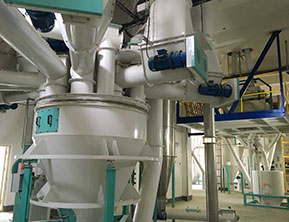
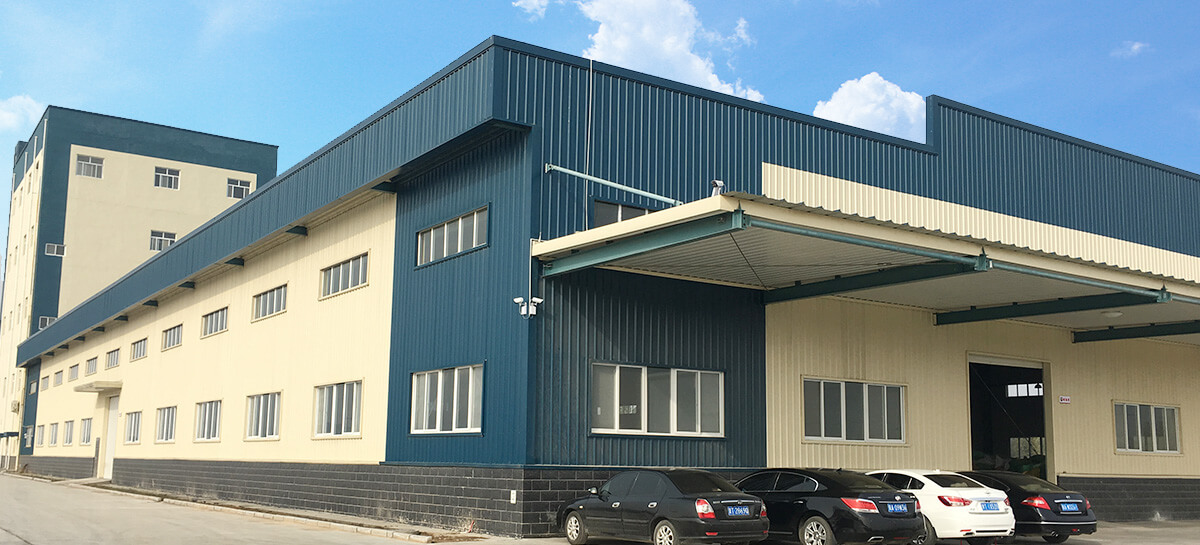
Meeting the explosive demand for global pet products requires robust infrastructure. Our manufacturing facilities combine cutting-edge extrusion engineering with rigorous chemical quality controls. Covering vast processing plants, our production capacities are optimized to sustain consistent retail supplies for global grocery chains, distributors, and online private labels.
Dongguan Petra Pet Co., Ltd. stands as a professional, forward-thinking enterprise engaged deeply in pet food research and development, nutrition formulation, and commercial distribution. Focused on healthy breeding research, the company carefully balances raw materials to supply natural, high-protein products enriched with dietary fibers, select fruits, vegetables, and vitamins.
Operating in tandem with large-scale factories, our industrial infrastructure covers over 30,000 square meters. This includes more than 20,000 square meters of highly standardized clean production workshops housing advanced automated extrusion machines. With an annual manufacturing capacity reaching 60,000 tons, our joint supply chains effortlessly sustain the dietary and nutritional needs of over 500,000 companion pets globally each year.
Navigating cross-border trade, customs clearances, labeling laws, and logistics infrastructure for pet health products.
Importing pet foods and chemical formulations (like CAS 542-52-9) into highly regulated zones such as North America and the European Union requires comprehensive compliance preparation. Pet foods must satisfy strict bacteriological criteria, proving absolute freedom from Salmonella and Enterobacteriaceae.
Our facilities manage complete tracing documents, phytosanitary certifications, and safety data sheets (SDS) required for chemical solvent exports. We work alongside inspection agencies (SGS, Intertek) to ensure every consignment is accompanied by appropriate health declarations, non-GMO verifications, and heavy metal screening results, streamlining the customs process for bulk importers.
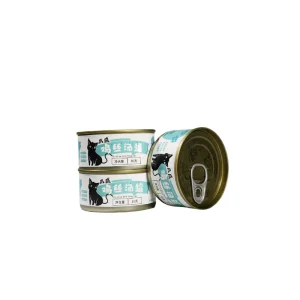
Different retail zones demand distinct visual cues and regulatory labeling layouts. In the US, AAFCO nutrient profiles dictate text hierarchies. In the European Union, Regulation (EC) No 767/2009 governs the marketing and use of feed. Our design teams configure high-barrier plastic bags, tinplate cans, and custom external packaging solutions complete with regional language variations, legal weight declarations, and barcode specifications.
Direct technical answers addressing formulations, certifications, shipping protocols, and custom private label solutions.
Dibutyl Carbonate (CAS 542-52-9) acts as a highly stable, biodegradable organic solvent carrier. It has a low vapor pressure and excellent solubilization properties, enabling it to dissolve non-polar fragrance compounds and biological enzymes uniformly without generating toxic fumes. It is an environmentally friendly alternative to traditional halogenated solvents or glycol ethers.
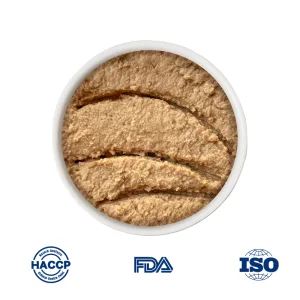
Our manufacturing facilities are fully registered with the FDA for US imports and comply with EC 1069/2009 for EU pet food distribution. We operate under stringent ISO 9001 and HACCP quality management protocols, providing complete microbial analysis certificates (Salmonella-free, E.coli-free) for every single export batch.
Yes. Our R&D team at Dongguan Petra Pet Co., Ltd. specializes in creating custom nutritional formulas. We can add single-source hypoallergenic proteins (such as salmon or duck), adjust dietary fiber ratios, and incorporate functional gut-health prebiotics (like GOS) to lower flatulence and fecal volatile organic compounds (VOCs).
Standard OEM production runs take 20 to 30 days after label layout confirmation. For bulk chemical solvent exports like Dibutyl Carbonate, standard lead times are 15 days, dependent on batch requirements and shipping configurations (e.g., IBC tanks, steel drums).
To assist brands launching new products, we offer scalable trials. While dry kibble and canned wet foods typically require 5 to 10-ton minimums to calibrate the automated machinery, we can accommodate split shipments and test packages for regional market trials.
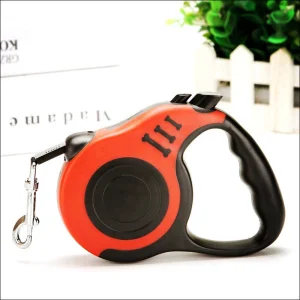
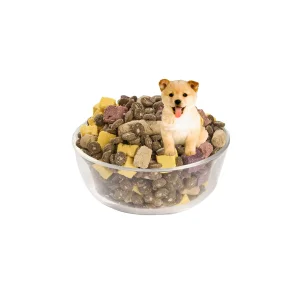
Examine our comprehensive catalog of dry kibbles, grain-free wet treats, safety gear, and industrial pet-care solutions.
 Petra Pet