Organic Solvent Dibutyl Carbonate (DBC) - Reliable CAS 542-52-9 Supply

Still deciding? Get samples of $ !
Request Sample

Product Description

Basic Information
Model NO.
QMAX25015
Colour
Colorless
Type
Solvents&Additives
Melting Point
<25 °C
Boiling Point
Bp 206.6°
Density
D420 0.9251; D425 0.9388
Storage
2-8°C
Appearance
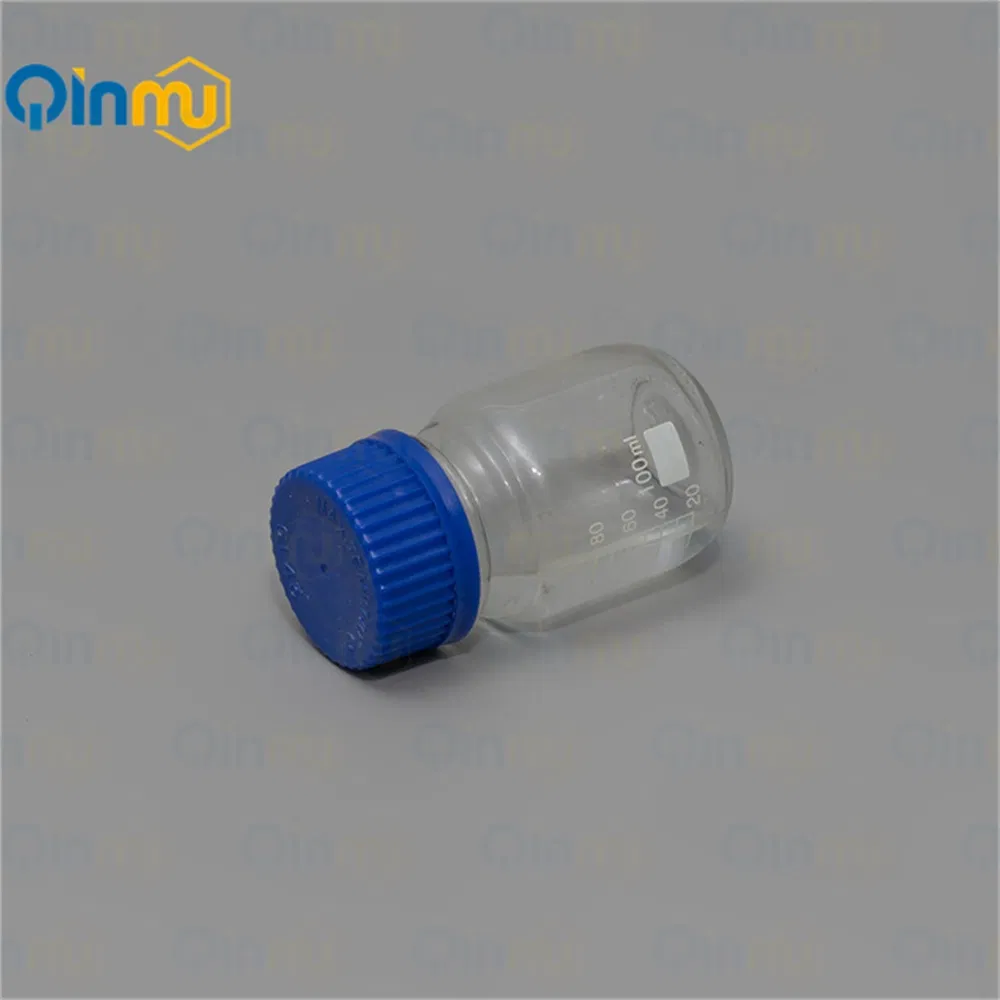
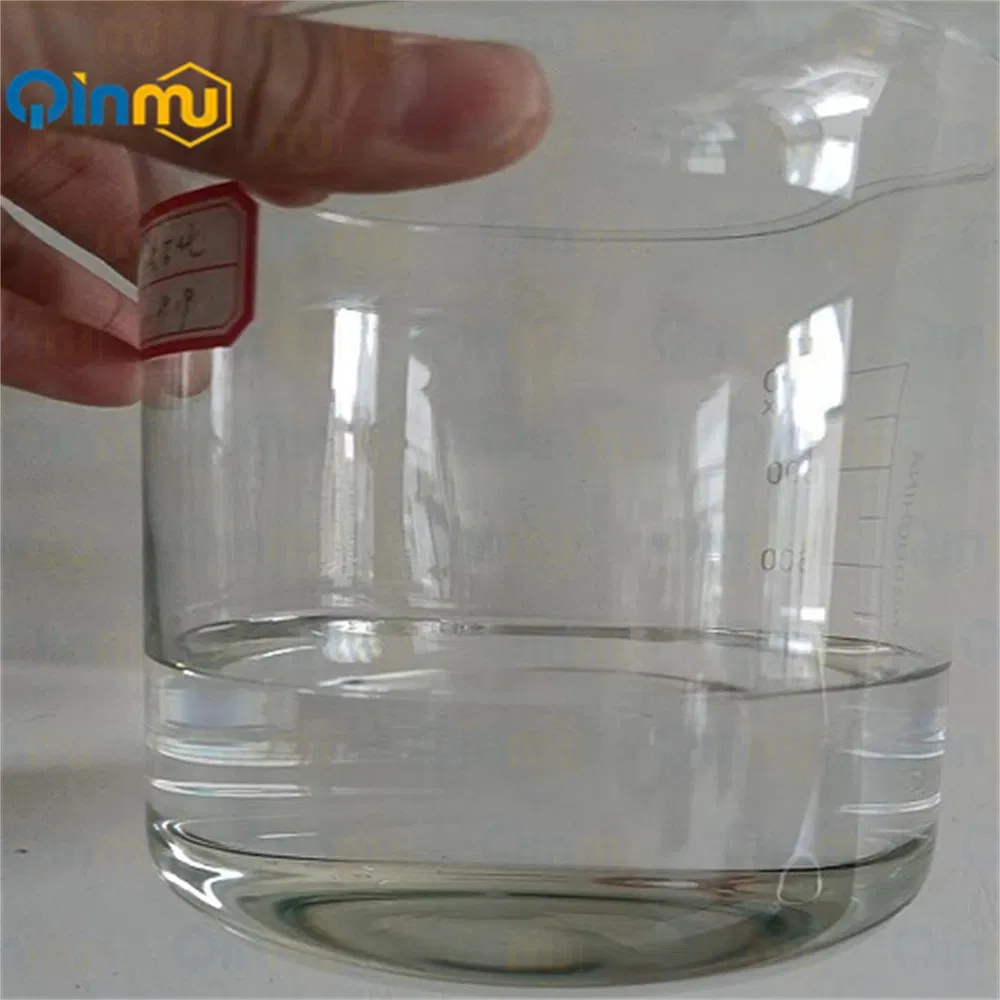
Colorless Liquid
Packing Type
Metal
Certificate
ISO
Package
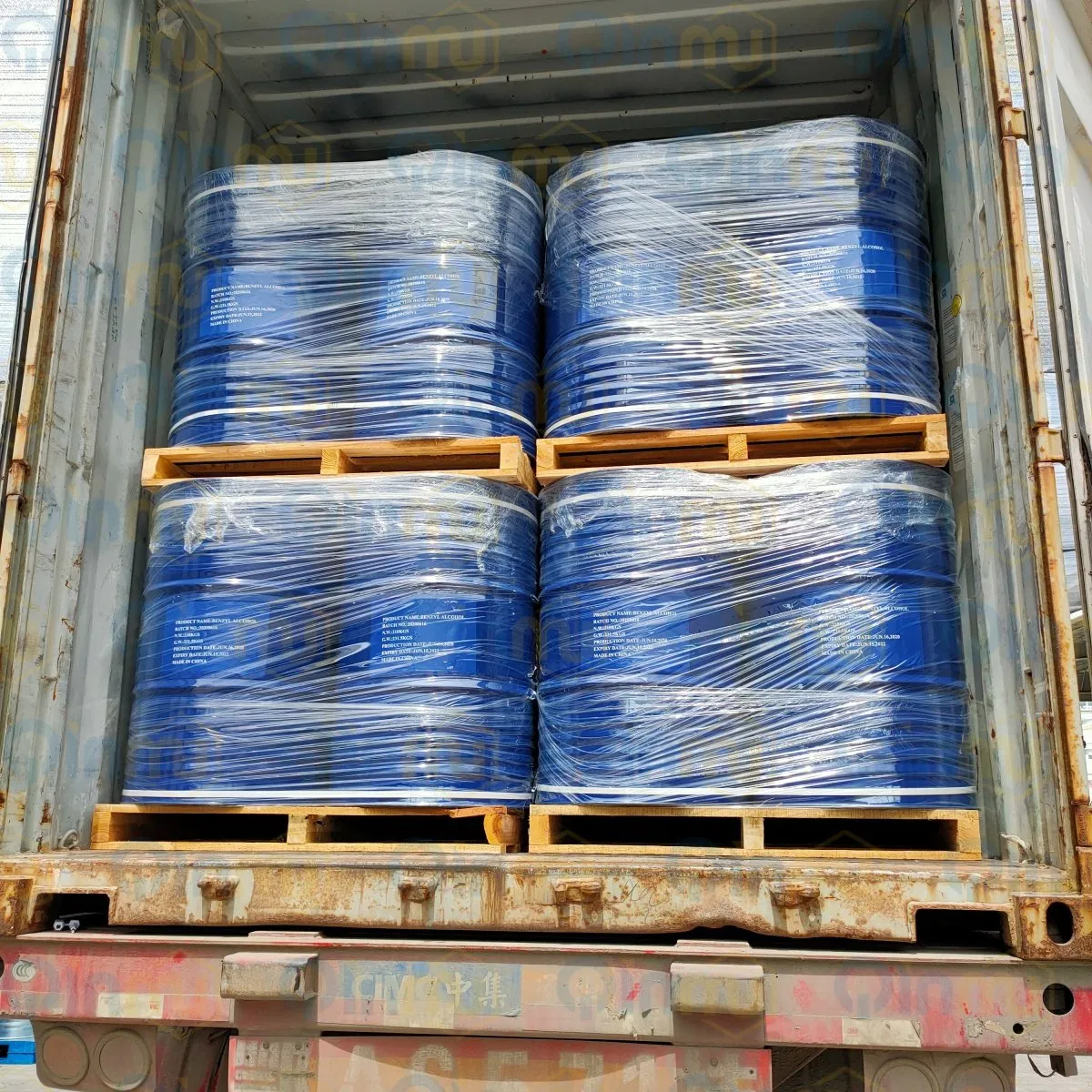
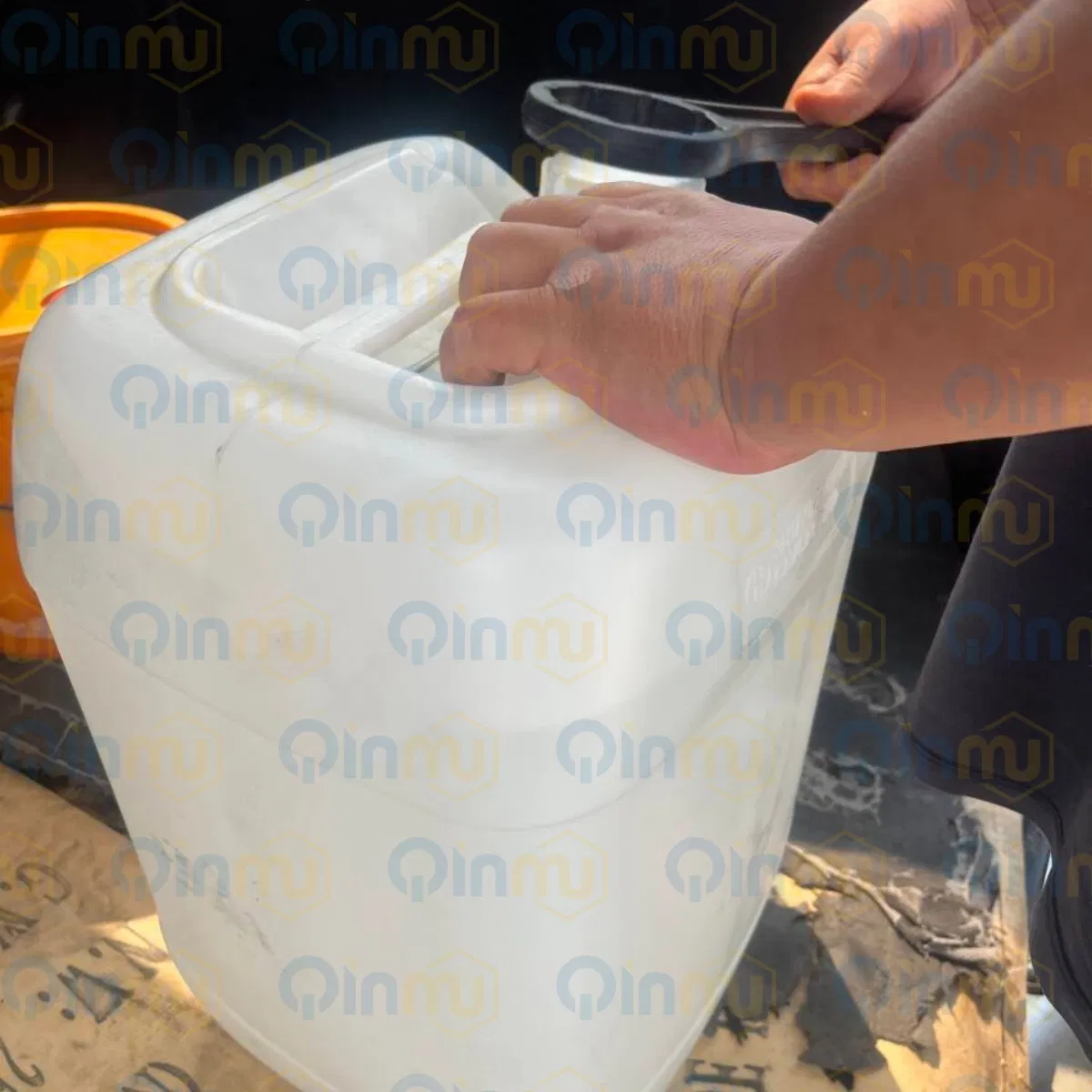
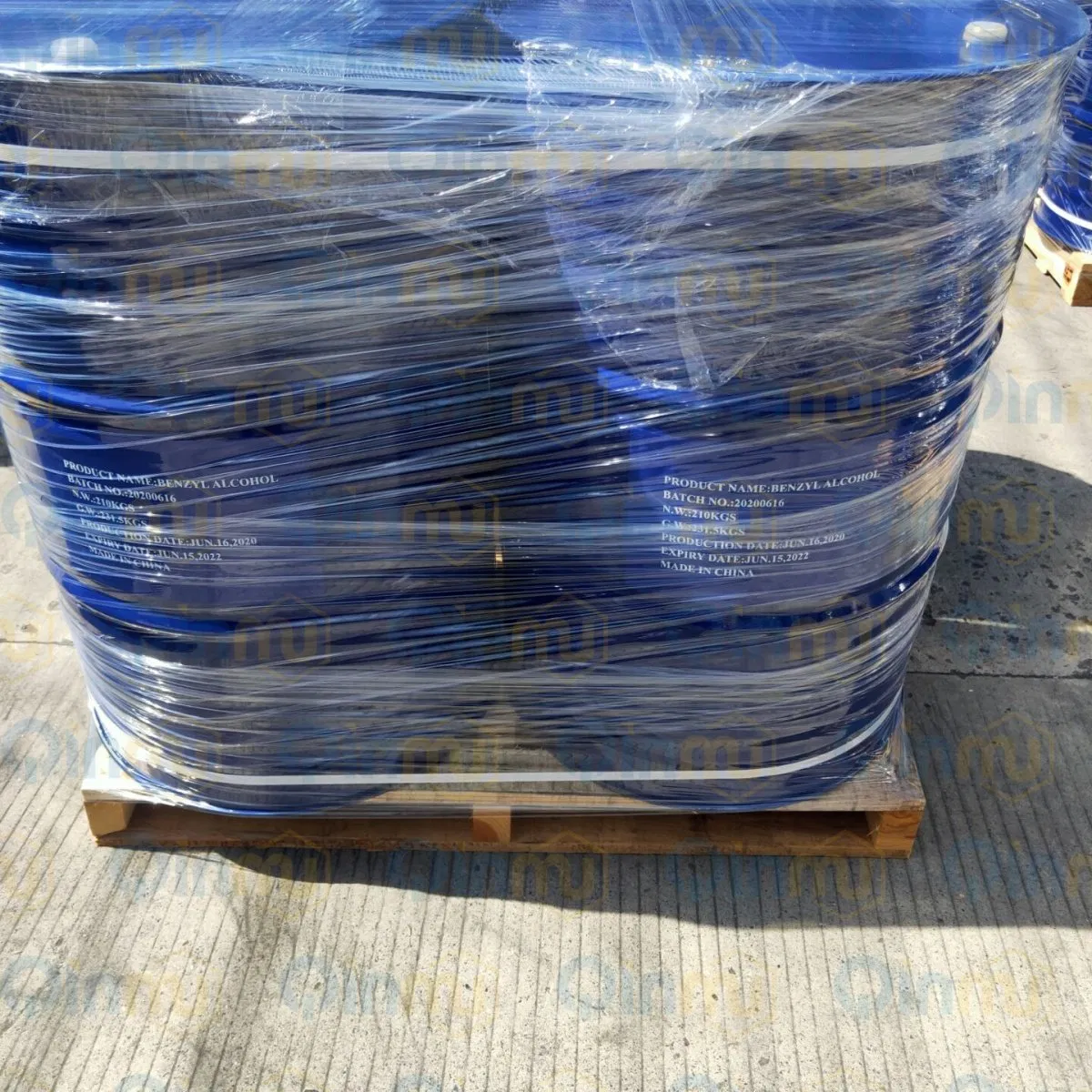
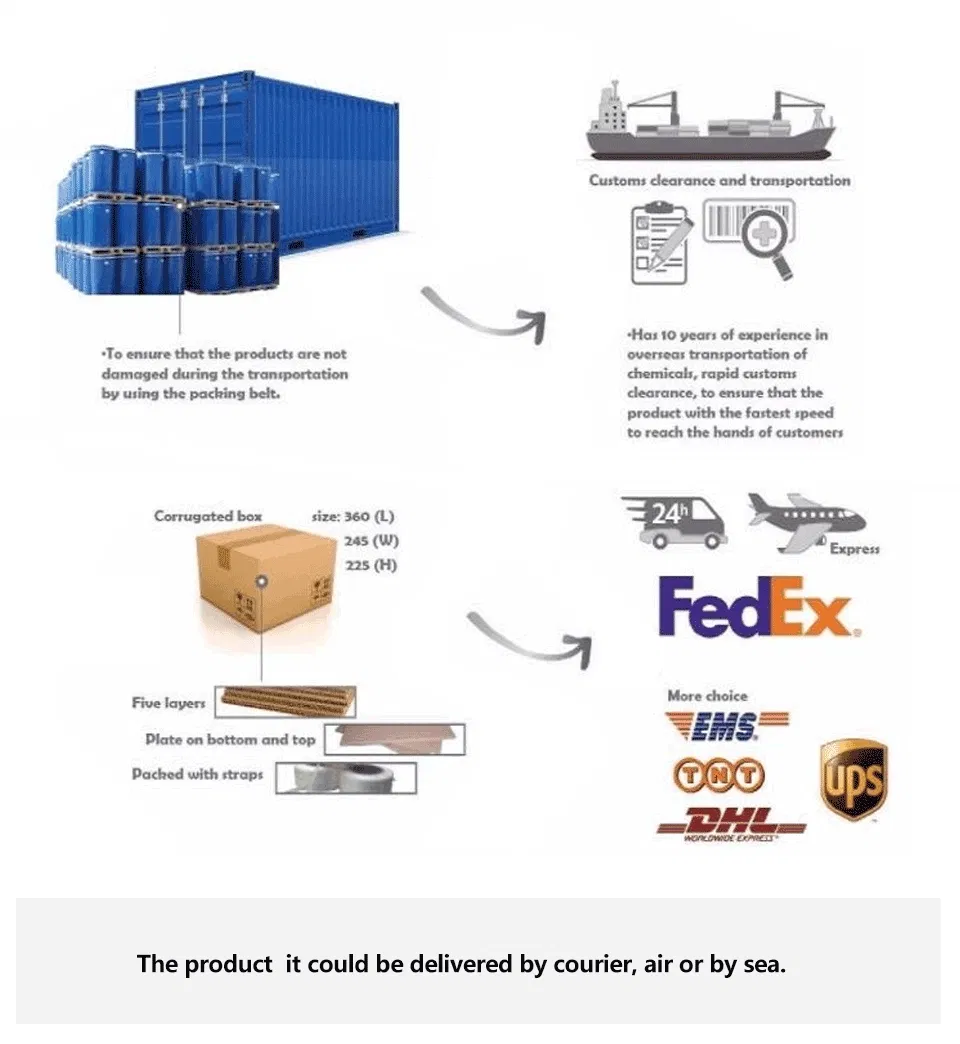
25kg/Drum, 200kg/Metal Drum
Shelf Life
24months
Sample
Available
Delivery
3-5 Days
Synonym
Di-N-Butyl Carbonate / Dibutyl Carbonate
Abbreviation
Dbc
Usage
Electrolyte Additive (Lithium-Ion Batteries)
Origin
China
HS Code
2920900090
Capacity
600mt/Month
Product Description
Dibutyl Carbonate Banner

Chemical Identity: DIBUTYL CARBONATE

  • Chemical Name: DIBUTYL CARBONATE (DBC)
  • IUPAC Name: Dibutyl carbonate
  • CAS Registry Number: 542-52-9
  • Molecular Weight: 174.24 g/mol

Structural and Physical Properties

  • Structure: Diester of carbonic acid and n-butanol. Central carbonate group flanked by two n-butyl chains.
  • Appearance: Colorless to pale yellow clear liquid.
  • Odor: Characteristic, mild ester-like odor.
  • Boiling Point: Approximately 207-209 °C.
  • Density: ~0.92 g/mL at 25 °C.
  • Solubility: Miscible with many common organic solvents (alcohols, ethers, esters). Immiscible with water.
  • Flash Point: ~77 °C (closed cup) - Flammable liquid.
Primary Application Directions
Application Directions
  • Organic Synthesis Intermediate: Used as a carbonylating and butoxycarbonylating agent. A greener alternative to phosgene.
  • Electrolyte Additive: Used in lithium-ion batteries to form a stable Solid Electrolyte Interphase (SEI), improving lifespan and safety.
  • Solvent & Formulation: Used for resins, polymers, and specialty coatings due to high solvating power.
Packaging & Shipping
Packaging Detail
Our Advantages
Advantage Overview
Quality Control
Frequently Asked Questions
FAQ Support
What is the primary function of Dibutyl Carbonate in batteries?
It serves as an electrolyte additive that helps form a stable Solid Electrolyte Interphase (SEI) on the anode, enhancing performance and battery life.
Is Dibutyl Carbonate a hazardous material?
It is classified as a flammable liquid with a flash point of approximately 77°C. It should be handled with standard chemical safety protocols.
What are the recommended storage conditions?
It should be stored in a cool, well-ventilated area, preferably at temperatures between 2-8°C, away from heat and ignition sources.
Can DBC be used as a solvent?
Yes, it is an excellent solvent for various resins and polymers and is often used in specialty coatings.
What is the standard purity of your DBC?
Our standard Dibutyl Carbonate has a specification purity of 99% or higher.
What is the typical lead time for orders?
Delivery usually takes 3-5 days after order confirmation, depending on the quantity and destination.

Related Products